
Pet Portal


Is It Just Old Age? 7 Signs Your Senior Pet Is Actually in Pain
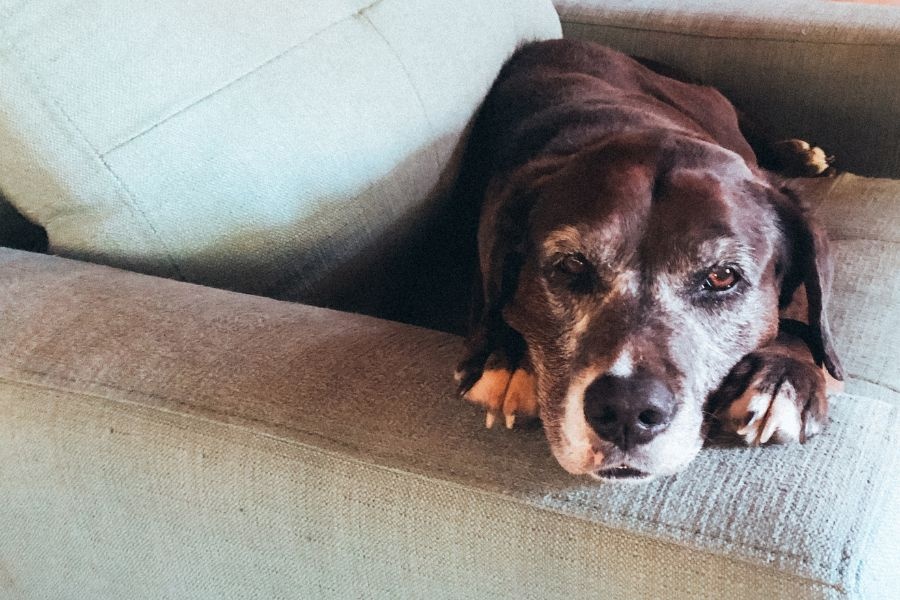
As pets grow older, it’s easy to assume that slowing down, sleeping more, or moving cautiously is simply part of aging. While some age-related changes are expected, others may point to something more concerning. Pain in senior pets is often subtle, and because dogs and cats instinctively hide discomfort, many signs go unnoticed until they begin affecting everyday life.
Recognizing these changes early is an important part of senior pet care. Paying attention to your pet’s behavior, posture, and daily routine can help you identify when it’s time to seek veterinary guidance rather than dismissing changes as “just old age.”
1. Grooming Habits Suddenly Change
Cats are known for keeping themselves meticulously clean. If your senior cat stops grooming certain areas, it may not be laziness – it could be because twisting or bending has become uncomfortable.
Dogs may show the opposite behavior by repeatedly licking the same leg, paw, or joint. Excessive licking often indicates they’re trying to soothe an area that’s causing discomfort.
A noticeable change in grooming habits deserves attention, especially if it appears suddenly.
2. Your Pet’s Personality Seems Different
Pain can affect more than physical movement – it can also change behavior.
A normally friendly dog may become irritable when touched, while an affectionate cat may begin hiding under furniture or avoiding family members.
Watch for behaviors such as:
- Increased irritability
- Unexpected aggression
- Avoiding interaction
- Less interest in play
- Spending more time alone
These personality changes aren’t always emotional; they can be your pet’s way of coping with discomfort.
3. Restless Nights Replace Peaceful Sleep
Senior pets often enjoy long naps, but they should still be able to rest comfortably.
If your pet begins pacing at night, constantly changing sleeping positions, or struggling to settle down, pain could be interfering with restful sleep.
You might also notice them:
- Getting up frequently
- Circling before lying down
- Sleeping less than usual
- Whining or vocalizing overnight
Poor sleep can leave pets tired during the day and may gradually affect their overall quality of life.
4. Changes in Posture Can Reveal Hidden Discomfort
The way a pet stands or carries its body often provides valuable clues.
Signs to watch for include:
- A hunched back
- A tucked tail
- Standing with legs closer together
- Holding the head lower than normal
- Stiff body movements
These subtle posture changes may develop gradually, making them easy to overlook during daily routines.
5. Everyday Activities Become a Challenge
Has your dog started pausing before climbing the stairs?
Does your cat hesitate before jumping onto the bed?
Small moments like these often reveal more than obvious limping.
Senior pets experiencing discomfort may hesitate before:
- Jumping onto furniture
- Walking upstairs
- Getting into the car
- Going for walks
- Standing after resting
These changes often happen slowly, making them easy to attribute to normal aging when they may actually indicate pain.
6. Eating and Bathroom Habits Start to Change
Pain doesn’t always affect appetite directly – it can affect the ability to reach food or use the bathroom comfortably.
Some senior pets become reluctant to walk across the room to eat. Others may have accidents indoors because standing, squatting, or climbing steps has become uncomfortable.
Watch for:
- Reduced interest in meals
- Difficulty reaching food bowls
- Changes in water intake
- Bathroom accidents
- Taking longer to urinate or defecate
Any sudden or persistent change should be discussed with your veterinarian.
7. Their Facial Expression Looks Different
Pets communicate in many ways beyond barking or meowing.
Subtle facial expressions can reveal discomfort, including:
- Furrowed brow
- Glazed or unfocused eyes
- Flattened ears
- Tight facial muscles
- Heavy panting without exercise or heat
These signs are easy to miss because they often appear gradually. Spending a few quiet moments observing your pet can help you notice changes you might otherwise overlook.
Why Regular Senior Pet Care Matters
Older pets benefit from more than extra naps and comfortable beds. Routine veterinary visits allow subtle health changes to be identified before they significantly affect your pet’s daily life.
As pets age, regular evaluations can help monitor mobility, weight, behavior, and overall wellness. Small adjustments made early often help maintain comfort and improve quality of life.
If you notice any of these signs, don’t assume they’re simply part of getting older.
For families seeking compassionate senior pet care in Tuckahoe, paying attention to these changes and scheduling regular wellness visits can help senior pets stay happier, healthier, and more comfortable throughout their golden years.
At Tuckahoe Animal Hospital & Pet Center, we’re dedicated to helping senior pets enjoy every stage of life with personalized veterinary care and thoughtful wellness support. If you’ve noticed changes in your pet’s behavior or mobility, our experienced team is here to help evaluate their needs and develop a care plan focused on comfort and long-term health.
FAQs
Q1. At what age is a pet considered a senior?
The age varies depending on species, breed, and size. Larger dogs often enter their senior years earlier than smaller breeds, while many cats are considered seniors around seven to ten years of age.
Q2. Is slowing down always a normal part of aging?
Not necessarily. While older pets may naturally become less active, sudden or significant changes in mobility, behavior, or daily habits may indicate discomfort that should be evaluated by a veterinarian.
Q3. Why do older pets hide more often?
Some pets withdraw because they don’t feel well or are experiencing discomfort. Hiding can also be a natural instinct when they’re not feeling their best, making behavioral changes worth monitoring.
Q4. Should I change my senior pet’s daily routine?
Many senior pets benefit from small adjustments, such as shorter walks, softer bedding, and easier access to food and water. Your veterinarian can recommend changes based on your pet’s individual needs.
Q5. How often should senior pets have wellness examinations?
Many veterinarians recommend more frequent wellness visits for senior pets than younger adults. Regular examinations help monitor age-related changes and support ongoing health and comfort.