
Pet Portal


Why Cat Dental Cleaning Is Essential for Your Feline’s Health
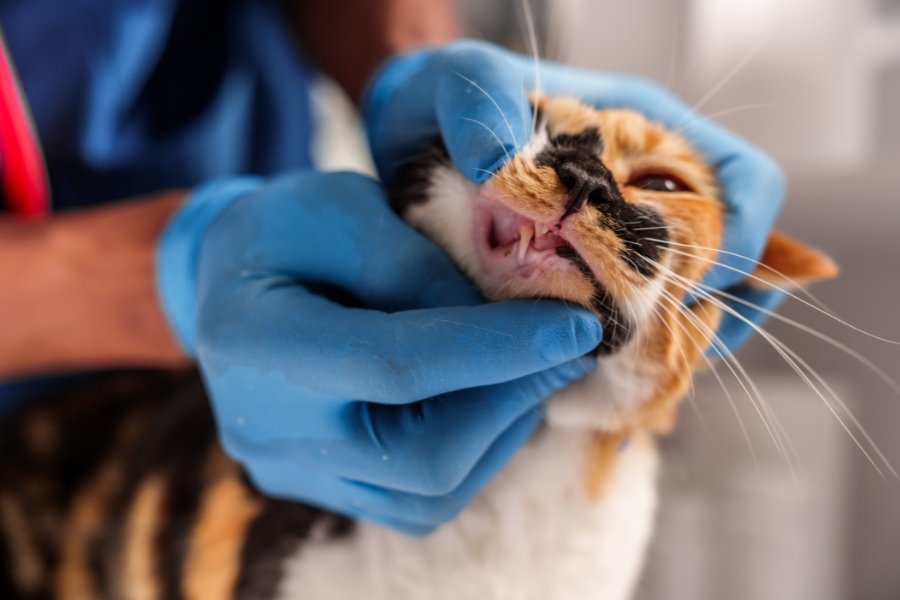
Cats are masters at hiding discomfort. Even when something feels wrong, they often continue eating, playing, and resting as usual. However, dental disease remains one of the most common yet overlooked health problems in felines. Without timely attention, minor plaque buildup can gradually turn into painful infections that affect the entire body.
As a responsible pet owner, you must take your cat’s oral health seriously. Dental disease develops slowly, but it progresses steadily. Therefore, understanding the importance of professional cleanings and preventive steps can protect your cat’s comfort and longevity. This guide is especially helpful for pet parents seeking trusted veterinary support in Tuckahoe, NY.
Understanding Dental Disease in Cats
Dental disease typically begins with plaque. Plaque forms when food particles mix with bacteria and stick to the surface of the teeth. Over time, plaque hardens into tartar. Consequently, tartar irritates the gums and triggers inflammation.
If untreated, gingivitis develops. Gums become red, swollen, and sometimes painful. Eventually, periodontal disease may follow, damaging the tissues and bone that support the teeth. At this stage, tooth loss and severe infection can occur.
Moreover, bacteria from infected gums can enter the bloodstream. As a result, vital organs such as the heart, liver, and kidneys may suffer damage. Therefore, dental disease is not simply an oral issue—it is a whole-body health concern that requires immediate attention.
Common Signs of Dental Problems in Cats
Because cats instinctively mask pain, symptoms can remain subtle. However, observant pet parents may notice early warning signs.
For example, bad breath is often the first red flag. Although many assume mild odor is normal, persistent foul breath indicates bacterial buildup. In addition, cats may chew on one side of the mouth or drop food while eating.
You might also notice:
- Red or bleeding gums
- Yellow or brown tartar buildup
- Excessive drooling
- Pawing at the face
- Decreased grooming
- Irritability or withdrawal
Furthermore, a cat experiencing dental pain may avoid dry food or eat more slowly. These small behavioral changes often signal a deeper issue. Therefore, scheduling regular checkups at Tuckahoe Animal Hospital & Pet Center ensures early detection and treatment.
Why Dental Cleaning Is Essential for Overall Health
Healthy teeth allow your cat to chew comfortably and maintain proper nutrition. However, when oral pain interferes with eating, weight loss and nutrient deficiencies may follow. Over time, this weakens the immune system.
Additionally, chronic inflammation in the mouth places continuous stress on the body. Bacteria circulating through the bloodstream can contribute to organ damage. Consequently, untreated dental disease may shorten your cat’s lifespan.
Professional cleanings remove tartar both above and below the gumline. This thorough approach prevents infection from spreading and preserves oral structures. In other words, routine dental procedures protect not only the teeth but also your cat’s entire well-being.
The Role of Preventive Veterinary Care
Preventive care always proves more effective than reactive treatment. When veterinarians identify dental disease early, interventions remain less invasive and more affordable.
During routine exams, veterinarians evaluate gum health, tooth stability, and signs of inflammation. They may recommend dental X-rays to detect hidden problems beneath the surface. Early detection significantly improves outcomes.
Importantly, preventive visits also allow pet owners to ask questions and refine home care routines. As a result, cats receive consistent protection throughout every life stage.
What Happens During a Professional Dental Cleaning?
Many pet owners feel anxious about anesthesia. However, modern veterinary protocols prioritize safety. Before the procedure, your veterinarian performs a physical examination and may recommend blood work to ensure your cat is healthy enough for anesthesia.
Once anesthetized, the veterinary team:
- Conducts a complete oral examination
- Takes dental X-rays if necessary
- Removes plaque and tartar above and below the gumline
- Polishes teeth to slow future buildup
- Extracts severely damaged teeth if required
Cleaning below the gumline is especially important. This area hides bacteria that cannot be removed during awake procedures. Therefore, anesthesia ensures thorough and pain-free treatment.
Afterward, most cats recover quickly and often show noticeable improvements in appetite and mood.
At-Home Dental Maintenance Tips
While professional cleanings remain essential, daily care at home significantly reduces plaque accumulation.
First and foremost, brushing your cat’s teeth remains the gold standard. Use only veterinarian-approved toothpaste designed for cats. Human toothpaste contains ingredients that can harm pets. Introduce brushing gradually and reward cooperation with praise.
Additionally, dental diets and treats may help reduce tartar through mechanical action during chewing. However, they should supplement brushing rather than replace it.
Providing fresh water daily also supports oral hygiene. Hydration promotes saliva production, which naturally helps cleanse the mouth.
Establishing a routine early in life makes dental care easier. Nevertheless, older cats can still adapt with patience and positive reinforcement.
How Often Should Cats Receive Dental Checkups?
Most cats benefit from annual dental evaluations. However, some breeds and senior cats face higher risks and may require more frequent monitoring.
For instance, cats with crowded teeth often develop plaque faster. Likewise, older felines experience increased vulnerability to periodontal disease. Therefore, personalized recommendations from your veterinarian remain crucial.
Regular monitoring ensures small problems never escalate into severe infections.
The Long-Term Benefits of Proper Oral Care
When you prioritize oral health, your cat experiences multiple benefits.
- Improved appetite and digestion
- Reduced pain and discomfort
- Better breath
- Lower risk of systemic disease
- Enhanced energy and playfulness
Furthermore, addressing dental issues promptly minimizes costly emergency treatments later. Preventive care supports both your cat’s comfort and your peace of mind.
At Tuckahoe Animal Hospital & Pet Center, veterinarians emphasize proactive care tailored to each feline patient. By combining professional services with education, they help local families maintain healthy smiles for years to come.
Localized Veterinary Support for Your Cat
Living in Tuckahoe, NY provides access to dedicated veterinary professionals who understand community needs. Local pet owners value personalized care and long-term relationships with their veterinary team.
Choosing a trusted clinic ensures continuity of care. Moreover, having a nearby veterinary partner simplifies scheduling follow-ups and addressing concerns promptly.
Routine checkups, combined with consistent at-home efforts, create the strongest defense against dental disease.
Dental health plays a vital role in your cat’s overall wellness. From preventing chronic pain to protecting major organs, routine cleanings safeguard your feline companion’s quality of life. Although dental disease develops gradually, early intervention makes a significant difference.
Professional cleanings, paired with daily maintenance, provide the most effective protection. If you are in Tuckahoe and looking for a cat dental care, don’t hesitate to book an appointment with Tuckahoe Animal Hospital & Pet Center. Our veterinary team is committed to protecting your feline’s smile, comfort, and long-term health.
Frequently Asked Questions (FAQs)
Q1. Why is dental cleaning important for cats?
Ans. Dental cleaning removes plaque and tartar that cause gum disease and infection. Without treatment, bacteria may spread to other organs and impact overall health.
Q2. How often should my cat have a professional dental cleaning?
Ans. Most cats need annual dental evaluations. However, some may require more frequent cleanings depending on age and risk factors.
Q3. Is anesthesia safe for cat dental procedures?
Ans. Yes. Veterinarians follow strict safety protocols, including pre-anesthetic exams and monitoring, to ensure your cat’s well-being throughout the procedure.
Q4. What are early signs of dental disease in cats?
Ans. Early signs include bad breath, red gums, drooling, difficulty eating, and subtle behavioral changes like irritability.
Q5. Can I prevent dental disease at home?
Ans. Yes. Regular brushing with cat-specific toothpaste, dental treats, and routine veterinary visits significantly reduce plaque buildup.
Q6. Does dental disease affect my cat’s lifespan?
Ans. Untreated dental infections can impact major organs and weaken immunity. Therefore, proper dental care may contribute to a longer, healthier life.