
Pet Portal


How Veterinarians Safely Manage Pain in Dogs and Cats
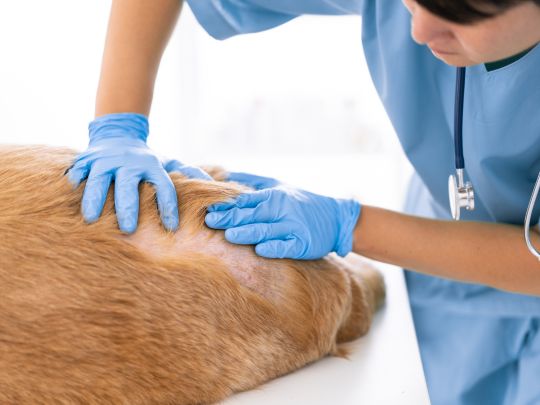
Pets bring joy, companionship, and unconditional love into our lives. However, just like humans, dogs and cats can experience pain due to injuries, illnesses, or aging. Recognizing and treating discomfort quickly is essential for maintaining their quality of life. Fortunately, modern veterinary medicine offers safe and effective ways to help animals feel better.
Veterinarians carefully evaluate each pet’s condition before recommending treatment. By combining medical knowledge with advanced technology, they develop personalized strategies that reduce discomfort and support healing.
Moreover, pain relief does more than improve comfort. It also helps pets move more easily, eat normally, and maintain their overall health. Without proper care, untreated pain may lead to behavioral changes, mobility problems, and long-term complications.
This guide explains how veterinarians identify pain, what treatment options are available, and how pet owners can support their pets during recovery. If you live in Tuckahoe, NY, understanding these approaches can help you ensure your pet receives compassionate and effective care.
Why Pain Management Is Important for Pets
Pain can affect every aspect of a pet’s life. Animals that feel discomfort may avoid activity, stop eating, or withdraw from their families. In many cases, pets try to hide pain because it is a natural survival instinct.
Therefore, early recognition and treatment are essential. When veterinarians address discomfort quickly, pets recover faster and maintain a better quality of life.
Proper pain management also helps reduce inflammation, improve mobility, and prevent additional health complications. As a result, pets can return to their normal routines sooner.
Veterinary professionals carefully balance treatment effectiveness with safety. They choose therapies that minimize risks while maximizing relief.
Recognizing Signs of Pain in Dogs and Cats
Pets cannot verbally communicate their discomfort. However, they often show physical or behavioral changes when something is wrong.
Common signs of pain include:
- Limping or difficulty walking
- Reduced appetite
- Excessive licking of a specific area
- Whining or unusual vocalization
- Aggression or irritability
- Lethargy or decreased activity
- Changes in posture
- Difficulty jumping or climbing
Although these signs may seem subtle, they often indicate underlying health problems. Therefore, pet owners should consult a veterinarian if symptoms persist.
Veterinarians perform thorough examinations to determine the cause and severity of discomfort.
Veterinary Examination and Diagnosis
Before recommending treatment, veterinarians conduct detailed assessments. These evaluations help identify the exact source of pain and guide appropriate therapy.
The diagnostic process often includes:
- Physical examinations
- Medical history review
- Imaging tests such as X-rays or ultrasound
- Blood tests
- Orthopedic or neurological evaluations
Through these diagnostic tools, veterinarians gain a complete understanding of the pet’s condition. Accurate diagnosis allows them to create targeted treatment plans.
Because every animal is different, personalized care ensures the safest and most effective approach.
Medications Used to Treat Pain in Pets
Veterinarians frequently prescribe medications to relieve discomfort. However, they select drugs carefully based on the pet’s species, size, age, and medical history.
Common veterinary pain medications include:
Anti-Inflammatory Drugs
Non-steroidal anti-inflammatory drugs (NSAIDs) reduce inflammation and relieve pain associated with injuries, arthritis, or surgery.
Veterinarians prescribe these medications in controlled doses to prevent side effects. Pet owners should never give human pain medications to animals because many are toxic to pets.
Opioid Medications
Opioids are sometimes used for severe or acute pain, such as after surgery or major injuries. These medications provide strong relief under close veterinary supervision.
Because opioids affect the nervous system, veterinarians monitor pets carefully when using them.
Local Anesthetics
Local anesthetics block pain signals in specific areas of the body. Veterinarians commonly use them during surgical procedures or dental treatments.
This method prevents discomfort while minimizing the need for higher doses of other medications.
Through careful selection and monitoring, veterinarians ensure safe pain management for each patient.
Non-Medication Pain Relief Techniques
In addition to medications, veterinarians often recommend supportive therapies. These methods help reduce discomfort and improve mobility.
Physical Therapy
Physical therapy helps pets regain strength and flexibility after injuries or surgery. Controlled exercises improve joint movement and muscle function.
Therapeutic activities may include stretching, walking exercises, and specialized rehabilitation techniques.
Laser Therapy
Laser therapy uses light energy to stimulate healing and reduce inflammation. This non-invasive treatment can help relieve pain in pets with arthritis, injuries, or chronic conditions.
Many pets experience improved mobility after a series of laser therapy sessions.
Acupuncture
Veterinary acupuncture involves placing small needles at specific points on the body. This technique helps stimulate nerves, improve circulation, and promote natural healing.
Although acupuncture originated in traditional medicine, it is now widely used in veterinary care.
Weight Management
Excess weight places additional stress on joints and muscles. Maintaining a healthy weight can significantly reduce discomfort, especially in pets with arthritis.
Veterinarians often recommend diet adjustments and exercise plans to support joint health.
Post-Surgical Pain Control
Surgery can be necessary for treating injuries or medical conditions. However, veterinarians prioritize comfort throughout the recovery process.
Before surgery, pets receive medications that reduce pain during and after the procedure. Veterinarians also monitor vital signs to ensure safety.
After surgery, pets may receive a combination of medications, rest recommendations, and follow-up visits.
Owners play an important role by following care instructions and observing their pets for any unusual symptoms.
Managing Chronic Pain in Aging Pets
As pets grow older, they may develop conditions such as arthritis, degenerative joint disease, or spinal problems.
Chronic pain requires long-term management strategies rather than short-term treatment. Veterinarians often combine multiple therapies to provide consistent relief.
These strategies may include:
- Anti-inflammatory medications
- Joint supplements
- Physical therapy
- Lifestyle adjustments
Regular veterinary checkups allow professionals to adjust treatment plans as needed.
With proper care, many senior pets continue to live active and comfortable lives.
The Role of Pet Owners in Pain Care
Pet owners play a crucial role in recognizing and managing discomfort. Observing behavioral changes is often the first step toward diagnosis.
Owners should also follow veterinary instructions carefully when administering medications or providing home care.
Additionally, maintaining regular veterinary visits helps detect health issues early. Preventive care supports long-term comfort and well-being.
Strong communication between pet owners and veterinarians leads to better health outcomes for animals.
Modern Advances in Veterinary Pain Treatment
Veterinary medicine continues to evolve with new technologies and treatment methods. Today’s clinics offer advanced diagnostic tools and innovative therapies that improve patient care.
Digital imaging provides clearer insights into injuries and diseases. Meanwhile, rehabilitation programs and alternative therapies expand treatment options.
These advancements allow veterinarians to treat discomfort more effectively than ever before.
As veterinary science progresses, pets benefit from safer and more precise treatment strategies.
Pain can significantly impact a pet’s quality of life. Fortunately, veterinarians have many safe and effective tools to help dogs and cats recover from injuries, surgeries, and chronic conditions.
Through accurate diagnosis, carefully selected medications, and supportive therapies, veterinary professionals provide compassionate care that promotes healing and comfort.
If you are in Tuckahoe, NY and concerned about your pet’s discomfort, schedule a visit with Tuckahoe Animal Hospital & Pet Center. Their experienced veterinary team is dedicated to helping pets live healthier, happier lives through professional medical care and personalized treatment plans.
FAQs
Q1. How can I tell if my dog or cat is in pain?
Ans. Pets may show pain through changes in behavior such as limping, decreased appetite, excessive licking, hiding, or unusual vocalization. If you notice these signs, a veterinarian should evaluate your pet.
Q2. What causes pain in dogs and cats?
Ans. Common causes include injuries, arthritis, infections, dental disease, surgery, and age-related conditions. A veterinary examination helps determine the exact cause.
Q3. Are pain medications safe for pets?
Yes, when prescribed by a veterinarian. Veterinary professionals carefully select medications and dosages based on the pet’s size, health condition, and medical history.
Q4. Can pets recover from chronic pain conditions?
Ans. While some chronic conditions cannot be cured, veterinarians can manage them effectively through medications, therapy, and lifestyle adjustments to improve comfort and mobility.
Q5. What treatments do veterinarians use to relieve pain in pets?
Ans. Veterinarians may use anti-inflammatory medications, physical therapy, laser therapy, acupuncture, and other supportive treatments to help reduce discomfort.
Q6. When should I take my pet to the vet for pain treatment?
Ans. If your pet shows signs such as difficulty walking, persistent lethargy, loss of appetite, or behavioral changes, it is important to seek veterinary care promptly.