Pet Portal


The Hidden Dangers of Ignoring Pet Dental Disease
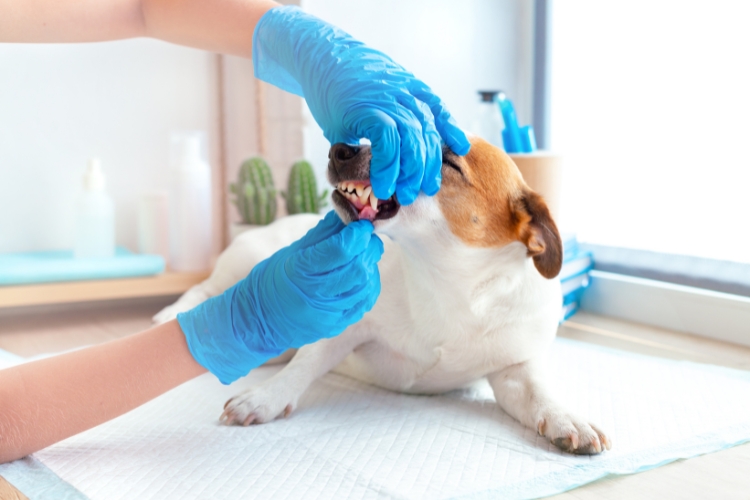
Oral health often gets less attention than other parts of pet care, yet it plays a major role in your pet’s daily comfort and long-term wellness. Teeth and gums affect how your pet eats, behaves, and even how they interact with you. Small dental issues can quietly grow into painful conditions if not addressed early. Staying aware of your pet’s oral health helps prevent problems that may become serious over time.
For families in Tuckahoe, NY, this blog is especially for pet owners who want to better understand hidden risks related to dental care. Pets living in busy households or eating certain diets may face a higher chance of dental issues. Learning what to watch for and how to act early can protect your pet from unnecessary pain and long-term health concerns.
Small Dental Issues Can Turn Into Big Problems
Early dental concerns may not seem serious at first glance, but they can develop into deeper health issues. Plaque forms on teeth every day and hardens into tartar if not removed. Tartar buildup irritates the gums and creates a breeding ground for bacteria.
Over time, untreated buildup leads to pet dental disease, which affects both the gums and the structures supporting the teeth. Infected gums can pull away from teeth, creating pockets where bacteria thrive. These infections may spread beyond the mouth if left untreated.
The veterinarian often sees pets only after damage has already progressed. Acting early helps reduce pain, prevent tooth loss, and avoid more involved treatments later.
Warning Signs That Should Not Be Overlooked
Pets rarely show clear signs of discomfort, so it’s important to notice subtle changes. Behavioral shifts often provide the first clues that something is wrong. Paying attention to these signs can help you take action before the problem worsens.
- Persistent bad breath: Unpleasant odor is often one of the earliest signs of bacterial buildup inside your pet’s mouth.
- Swollen or bleeding gums: Redness or bleeding during chewing can indicate irritation or early gum disease.
- Trouble eating meals: Slower eating or dropping food may mean chewing causes pain or sensitivity.
- Pawing at the mouth: Frequent facial touching may indicate discomfort or irritation of the teeth or gums.
Observing these symptoms helps you respond quickly and avoid more serious complications.
What Happens When Dental Care Gets Ignored
Many pet owners underestimate the consequences of ignoring pet dental disease. Bacteria from infected gums can enter the bloodstream and travel to major organs. Over time, this can affect the heart, liver, and kidneys, creating serious health risks.
Pain from untreated dental problems can also change your pet’s behavior. Pets may become withdrawn, less active, or even irritable during normal interactions. Eating difficulties can lead to weight loss and poor nutrition, which further weakens overall health.
Pet dental disease dangers extend far beyond the mouth. Delaying care can turn a manageable condition into a serious medical concern that affects your pet’s entire body.
How Daily Habits Affect Oral Health
Daily routines strongly influence your pet’s dental health. Food choices, chewing habits, and hygiene practices all play a role in maintaining clean teeth and healthy gums. Making small changes in daily care can have a big impact over time.
Dry kibble can help reduce plaque compared to softer foods, but it does not replace proper cleaning. Chewing on safe toys can also help remove buildup naturally. Regular brushing remains one of the most effective ways to prevent tartar formation.
The vet can guide you on the best products and methods for your pet’s needs. Establishing healthy habits early helps reduce the chances of future dental problems.
The Link Between Oral Health and Overall Wellness
Oral health is closely connected to your pet’s overall condition. Infections in the mouth can lead to inflammation throughout the body. Chronic inflammation may weaken the immune system and make your pet more vulnerable to other illnesses.
Pain from dental issues often affects sleep patterns and daily activity levels. If pets feel uncomfortable, they may avoid playtime or interaction. Over time, these changes can reduce their quality of life.
Veterinary care plays an important role in identifying these connections early. Regular exams help detect hidden issues that may not be visible during daily observation.
Preventive Care Makes a Lasting Difference
Preventive care focuses on preventing problems from arising or worsening. Routine cleanings, regular exams, and proper home care all contribute to better oral health. Taking preventive steps can save time, money, and stress in the long run.
• Regular teeth cleaning
Consistent brushing helps remove plaque before it hardens into tartar.
• Scheduled dental exams
Routine visits allow the veterinarian to check for early signs of disease.
• Safe chewing options
Providing approved chew toys helps reduce buildup naturally and safely.
• Balanced nutrition habits
Feeding appropriate diets supports both dental and overall health.
Combining these practices creates a strong defense against dental issues and keeps your pet comfortable.
Why Routine Checkups Should Never Be Skipped
Routine checkups allow the veterinarian to closely monitor your pet’s oral health. Even when no visible symptoms appear, underlying problems may already be developing. Early detection makes treatment simpler and less invasive.
During visits, veterinary teams examine teeth, gums, and surrounding areas for signs of disease. Cleanings may be recommended to remove tartar that cannot be handled at home. These visits also help improve daily care routines.
Regular checkups help ensure your pet stays on track and avoids complications associated with untreated dental issues.
Simple Ways to Care for Your Pet’s Teeth at Home
Home care plays a major role in maintaining your pet’s oral health between visits. Establishing a routine early helps your pet become comfortable with handling and cleaning. Simple steps can prevent many common dental problems.
- Brush regularly: Use pet-safe toothpaste and a soft toothbrush to clean teeth gently.
- Offer dental treats: Choose treats designed to reduce plaque and support oral hygiene.
- Check the mouth weekly: Look for redness, swelling, or unusual changes during quick inspections.
- Keep water fresh: Clean water helps wash away food particles and bacteria.
These habits create a consistent care routine that helps protect your pet’s teeth and gums.
A Healthier Smile Starts With Awareness
Understanding the risks associated with dental neglect helps pet owners make better care decisions. Many problems can be prevented through early action and regular monitoring. Staying informed allows you to recognize warning signs and respond quickly.
Veterinary guidance helps ensure your pet receives the right care at the right time. Building awareness and maintaining consistent habits can greatly improve your pet’s comfort and overall health.
Protect Your Pet’s Smile Before Problems Grow
Ignoring dental care can lead to serious health concerns that go far beyond your pet’s mouth. Tuckahoe Animal Hospital & Pet Center provides dental care services designed to help detect and treat oral health issues early, keeping your pet comfortable and healthy.
If you’re a pet owner in Tuckahoe who is concerned about your pet’s oral health, book an appointment with Tuckahoe Animal Hospital & Pet Center today. A caring team will examine your pet, recommend the right care plan, and help maintain strong teeth and healthy gums for years to come.
Frequently Asked Questions
1. How often should my pet have a dental checkup?
Most pets benefit from yearly dental exams, though some may need more frequent visits based on age and health. Regular checkups help detect early signs of dental issues before they become serious problems.
2. Can dental disease affect my pet’s behavior?
Yes, dental pain can cause pets to become less active, avoid eating, or act differently around people. Behavioral changes often signal discomfort that may be linked to oral health problems.
3. Are certain pets more prone to dental issues?
Smaller breeds and older pets often face a higher risk of dental problems. Genetics, diet, and daily care habits also influence a pet’s likelihood of developing oral health concerns.
4. Is brushing my pet’s teeth really necessary?
Brushing helps remove plaque before it turns into tartar, making it one of the most effective ways to prevent dental disease. Regular brushing supports long-term oral health and reduces the need for treatments.
5. What should I do if my pet has severe bad breath?
Persistent bad breath may indicate infection or advanced dental disease. Scheduling the veterinary visit allows proper evaluation and treatment to address the underlying cause and improve your pet’s comfort.