Pet Portal


How Preventive Veterinary Care Helps Dogs and Cats Live Longer
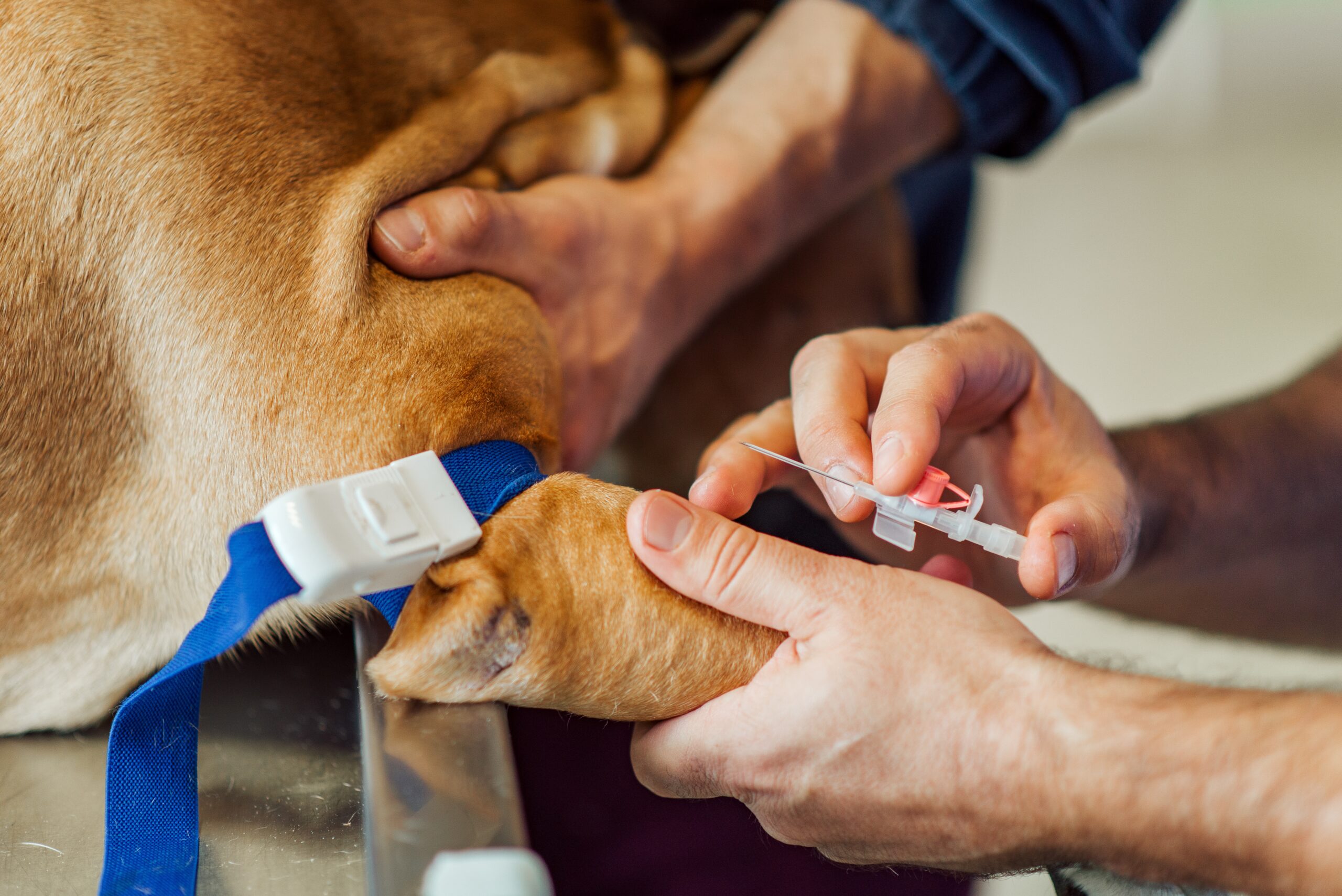
Every pet owner wants their dog or cat to enjoy a long, healthy, and happy life. While providing love, quality food, and daily exercise are essential parts of pet ownership, preventive veterinary care plays one of the biggest roles in supporting long-term health. Many serious medical conditions in pets develop gradually and may not show visible symptoms until they become advanced. Routine veterinary visits and preventive healthcare help identify potential issues early while supporting your pet’s overall wellness at every stage of life.
Preventive veterinary care focuses on maintaining health before illnesses become severe. From wellness exams and vaccinations to parasite prevention and diagnostic screenings, proactive care helps reduce health risks and improve quality of life for pets. At Tuckahoe Animal Hospital & Pet Center, preventive care services are designed to help pets stay healthier through every age and life stage.
What Is Preventive Veterinary Care?
Preventive veterinary care includes routine medical services that help protect pets from illnesses, infections, and chronic health conditions. Rather than waiting until a pet becomes sick, preventive care focuses on identifying and addressing health concerns early.
Common preventive care services include:
- Annual wellness exams
- Vaccinations
- Parasite prevention
- Bloodwork and diagnostic testing
- Dental evaluations
- Nutritional counseling
- Weight management
- Senior pet screenings
These services allow veterinarians to monitor your pet’s health regularly while providing guidance tailored to your pet’s breed, age, and lifestyle.
Why Regular Wellness Exams Matter
Routine wellness exams are one of the most important parts of preventive veterinary care. During these visits, veterinarians perform a thorough physical examination to assess your pet’s overall condition.
Wellness exams help evaluate:
- Weight and body condition
- Skin and coat health
- Dental condition
- Joint mobility
- Heart and lung function
- Eye and ear health
- Behavioral changes
Even subtle changes in your pet’s health may indicate early signs of illness. Detecting concerns early often leads to better treatment outcomes and may prevent more serious complications later.
Pet owners searching for proactive pet health support often benefit from learning more about comprehensive wellness programs designed to support lifelong veterinary care.
Vaccinations Help Protect Against Serious Diseases
Vaccinations are another key component of preventive care. They help protect dogs and cats from potentially life-threatening diseases that can spread through contact with other animals or contaminated environments.
Core vaccines for dogs may include protection against:
- Rabies
- Distemper
- Parvovirus
- Adenovirus
Core vaccines for cats may include protection against:
- Rabies
- Feline viral rhinotracheitis
- Calicivirus
- Panleukopenia
Your veterinarian may also recommend additional vaccines based on your pet’s lifestyle, travel habits, boarding needs, or exposure risks.
Staying current on vaccinations helps reduce the spread of contagious diseases while strengthening your pet’s immune protection throughout life.
Parasite Prevention Supports Long-Term Health
Parasites can create serious health problems for both pets and people. Fleas, ticks, heartworms, and intestinal parasites may cause infections, discomfort, anemia, skin irritation, and organ damage if left untreated.
Routine parasite prevention helps protect pets against:
- Heartworm disease
- Flea infestations
- Tick-borne illnesses
- Intestinal worms
Heartworm disease, in particular, can become life-threatening and often develops without noticeable symptoms during the early stages. Preventive medications and routine screenings are essential for reducing risk.
Many pet owners also explore year-round parasite management solutions to help keep their pets protected during changing seasonal conditions.
Early Detection Improves Treatment Outcomes
Preventive care visits often include diagnostic screenings that help identify hidden health problems before symptoms appear. Bloodwork, urinalysis, and other routine tests provide valuable information about organ function, immune health, and metabolic conditions.
Routine screenings may help detect:
- Diabetes
- Kidney disease
- Liver disease
- Thyroid disorders
- Infections
- Anemia
Early detection allows veterinarians to begin treatment sooner, which may slow disease progression and improve your pet’s quality of life.
For example, a cat with early kidney disease may continue acting normally at home. However, diagnostic testing may reveal subtle abnormalities long before severe symptoms develop. Early intervention can make a significant difference in long-term management and comfort.
Dental Care Is Essential for Overall Wellness
Dental health is often overlooked, but it plays a major role in your pet’s overall well-being. Periodontal disease is one of the most common medical conditions in dogs and cats, especially as they age.
Without proper dental care, bacteria from infected gums can spread through the bloodstream and affect vital organs such as the heart, liver, and kidneys.
Preventive dental care may include:
- Oral examinations
- Professional cleanings
- Dental X-rays
- Home dental care recommendations
Keeping your pet’s teeth and gums healthy helps reduce pain, prevent infections, and improve overall health.
Nutrition and Weight Management Matter
Maintaining a healthy weight is another important part of preventive veterinary care. Obesity increases the risk of several serious health conditions, including diabetes, arthritis, heart disease, and joint problems.
Veterinarians can help create personalized nutrition and exercise recommendations based on your pet’s age, breed, activity level, and health needs.
Healthy weight management supports:
- Better mobility
- Improved energy levels
- Reduced joint stress
- Stronger immune function
- Longer lifespan
Preventive care appointments provide valuable opportunities to discuss feeding habits, dietary changes, and exercise routines that support long-term wellness.
Senior Pets Benefit From More Frequent Monitoring
As dogs and cats grow older, they become more vulnerable to chronic illnesses and age-related conditions. Senior pets often require additional monitoring to maintain their comfort and quality of life.
Routine senior wellness care may include:
- Blood pressure monitoring
- Comprehensive blood panels
- Arthritis evaluations
- Mobility assessments
- Cognitive health monitoring
Many veterinarians recommend wellness exams every six months for senior pets because health changes can occur quickly with age.
In Tuckahoe, many pet owners prioritize preventive screenings for aging pets to help detect problems earlier and improve long-term health management.
Preventive Care Can Reduce Emergency Visits
One of the biggest benefits of preventive veterinary care is the ability to reduce the risk of unexpected medical emergencies. While not every illness can be prevented, routine care helps identify developing problems before they become severe.
Preventive care may help avoid:
- Advanced infections
- Severe dental disease
- Untreated chronic illnesses
- Emergency surgeries
- Hospitalization
By staying consistent with wellness visits and screenings, pet owners often save money over time while helping their pets maintain better health.
Building a Strong Relationship With Your Veterinarian
Routine veterinary visits also help build trust between pets, owners, and veterinary teams. Pets who receive regular care often become more comfortable during exams and procedures, making future visits less stressful.
Preventive appointments create opportunities to discuss:
- Behavioral concerns
- Lifestyle changes
- Dietary questions
- New symptoms
- Age-related care needs
Strong communication with your veterinarian helps ensure your pet receives personalized care throughout every stage of life.
In Tuckahoe, preventive veterinary care continues to play an important role in helping local pets live healthier, more active lives with the families who love them.
Final Thoughts
Preventive veterinary care is one of the most effective ways to support your dog or cat’s long-term health and happiness. Regular wellness exams, vaccinations, parasite prevention, dental care, and diagnostic screenings all work together to identify health concerns early and reduce the risk of serious illness.
By investing in preventive care, pet owners can help their companions enjoy better quality of life, improved comfort, and longer lifespans. Early detection and routine monitoring provide the foundation for healthier living at every age.
At Tuckahoe Animal Hospital & Pet Center, compassionate preventive care services are designed to help pets thrive through every stage of life. Book an appointment today to support your pet’s lifelong health and wellness.
Frequently Asked Questions
1. How often should my dog or cat have a wellness exam?
Most healthy adult pets should have a wellness exam once a year. Senior pets or pets with medical conditions may need more frequent visits.
2. Why is preventive veterinary care important?
Preventive care helps detect health problems early, supports disease prevention, and improves your pet’s overall quality of life.
3. Are vaccinations necessary for indoor pets?
Yes. Even indoor pets can be exposed to certain diseases through contact with people, other animals, or outdoor environments.
4. What are the signs my pet may need preventive screening tests?
Changes in appetite, weight, energy levels, drinking habits, or behavior may indicate underlying health concerns that require evaluation.
5. Does preventive care help pets live longer?
Routine preventive care supports early disease detection, ongoing health monitoring, and overall wellness, all of which may contribute to a longer and healthier life for pets.