
Pet Portal


The Link Between Dog Grooming and Parasite Prevention
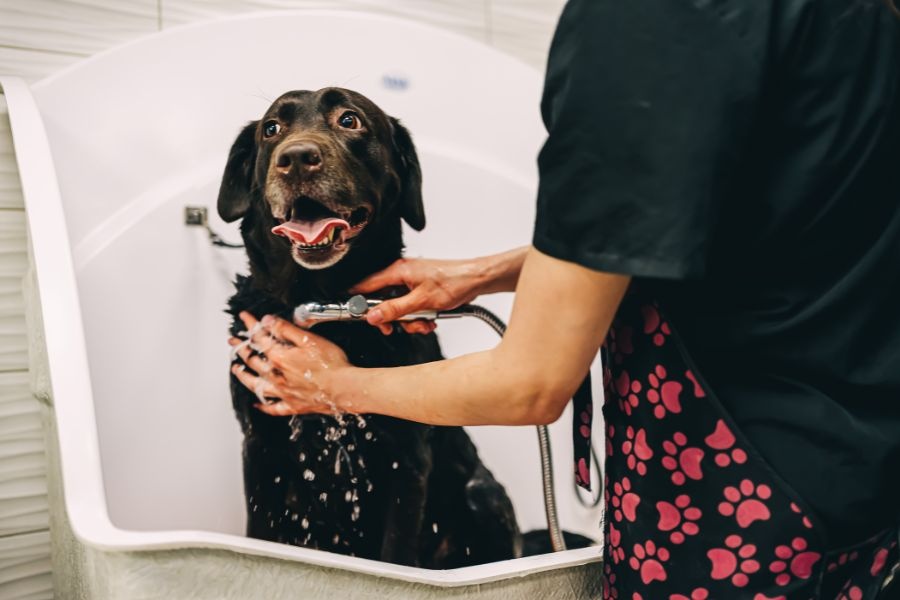
Regular dog grooming is about far more than keeping your pup looking their best; it plays a vital role in parasite prevention too. As flea and tick season becomes a year-round concern for pet owners in Tuckahoe, making grooming a consistent part of your dog’s care routine is one of the smartest steps you can take to protect their health. At Tuckahoe Animal Hospital & Pet Center, we see firsthand how a well-groomed dog is a better-protected dog.
Why Grooming and Parasite Prevention Go Hand in Hand
Many pet owners think of grooming and parasite prevention as two separate tasks. In reality, they are deeply connected. When you brush, bathe, and inspect your dog regularly, you create natural checkpoints to catch unwanted hitchhikers before they become a serious problem.
Fleas and ticks are masters at hiding in thick, matted, or unkempt fur. A dog with overgrown or tangled coat provides the perfect cover for parasites to burrow in, lay eggs, and go completely unnoticed for days or even weeks. Regular grooming removes that hiding advantage entirely.
Beyond detection, grooming also keeps your dog’s skin and coat in optimal condition. Healthy skin is a stronger first line of defense against parasites. Dry, irritated, or broken skin is easier for fleas and other parasites to exploit, making a well-maintained coat genuinely protective, not just cosmetic.
How Grooming Sessions Help Detect Parasites Early
One of the most underrated benefits of regular dog grooming is early detection. When a professional groomer or a vigilant pet owner works through a dog’s coat systematically, they are much more likely to spot the early warning signs of a parasite problem.
During a proper grooming session, watch for small dark specks (flea dirt) near the base of the tail, around the belly, and in the groin area. Ticks tend to attach in warm, hidden spots, such as behind the ears, between the toes, under the collar, and in the armpit area. Regular grooming puts eyes on all of these spots consistently.
Catching a flea infestation in its early stages is dramatically easier to treat than dealing with a full-blown problem that has spread to your home. The same goes for ticks; a tick discovered and removed within a few hours is far less likely to transmit disease than one that has been feeding undetected for days.
The Rise of Year-Round Flea and Tick Prevention
Flea and tick prevention used to be considered a warm-weather concern, but that thinking has shifted significantly in recent years. Milder winters across the northeastern United States, including right here in Tuckahoe, mean that fleas and ticks are now active for more months of the year than ever before.
Ticks in particular have become a growing concern. The black-legged tick (commonly called the deer tick) can remain active even on days when temperatures hover just above freezing. This means that a single winter walk in the park can put your dog at risk if prevention measures have lapsed.
Veterinarians now strongly recommend year-round parasite prevention products combined with consistent grooming routines. Topical treatments, oral preventatives, and flea-and-tick collars are all effective tools, but they work best when paired with the regular coat checks and hygiene that grooming provides. Dog grooming and parasite prevention together form a complete defense strategy that no single product alone can match.
Grooming Best Practices That Support Parasite Prevention
Not all grooming routines offer the same level of protection. To maximize the parasite-prevention benefits of grooming, focus on these key practices:
Brush frequently. Brushing your dog at least two to three times per week, or daily for long-coated breeds, keeps the coat free of mats and tangles where parasites hide. It also gives you a chance to run your fingers through the coat and feel for any unusual bumps that could be attached ticks.
Bathe with appropriate products. Bathing your dog every three to four weeks with a veterinarian-approved shampoo helps remove flea dirt and environmental debris. Some medicated or flea-repellent shampoos can provide short-term protection, though they are not a substitute for prescription-grade preventatives.
Keep the coat trimmed. Especially in the warmer months, keeping hair trimmed around the ears, paws, and belly reduces the surface area where ticks and fleas can latch on. This is particularly important for breeds with dense, heavy coats.
Check after every outdoor outing. Make it a habit to do a quick spot-check on your dog after every walk, hike, or trip to the dog park. Pay special attention to the head, neck, and underbelly.
When to Talk to Your Vet About a Comprehensive Prevention Plan
Grooming is a powerful ally in the fight against parasites, but it should never be your only line of defense. A veterinarian can help you build a comprehensive parasite prevention plan tailored specifically to your dog’s lifestyle, health history, and risk level.
At Tuckahoe Animal Hospital & Pet Center, our team will evaluate factors like your dog’s age, breed, activity level, and where they spend most of their time outdoors to recommend the most effective preventative products. We can also check for signs of flea allergy dermatitis, Lyme disease, and other parasite-related conditions that may not be immediately obvious to a pet owner.
If it has been a while since your dog had a wellness exam or their preventative medications reviewed, now is the time to schedule a visit, especially as flea and tick activity continues to trend upward in our region.
Conclusion: Grooming Is Your First Line of Defense
When it comes to keeping your dog healthy, dog grooming and parasite prevention are not separate priorities; they are two parts of the same commitment to your pet’s well-being. A clean, well-maintained coat is easier to inspect, harder for parasites to hide in, and reflective of a dog that is cared for inside and out. Pair consistent grooming with the right preventative products, and you give your dog the best possible protection against fleas, ticks, and the diseases they carry.
At Tuckahoe Animal Hospital & Pet Center in Tuckahoe, we are here to support you every step of the way. Book your pet’s wellness appointment today and let our team help you build a grooming and parasite prevention routine that keeps your dog protected all year long. Book your pet’s wellness appointment today and give your dog the protection they deserve.
Frequently Asked Questions
Q1. How often should I groom my dog to help prevent fleas and ticks?
For most dogs, brushing two to three times per week and bathing every three to four weeks provides a solid foundation for parasite detection. Dogs with longer or thicker coats may need daily brushing. Talk to your vet about what schedule makes sense for your specific breed.
Q2. Can grooming alone prevent a flea or tick infestation?
Grooming is an important tool for early detection and reducing parasite hiding spots, but it is not a complete prevention strategy on its own. Prescription-grade flea and tick preventatives, recommended by your veterinarian, should be used alongside regular grooming for reliable protection.
Q3. What should I do if I find a tick on my dog during grooming?
Use fine-tipped tweezers or a tick removal tool to grasp the tick as close to the skin as possible and pull upward with steady, even pressure. Avoid twisting or jerking. After removal, clean the bite area with rubbing alcohol. If you are unsure or the tick has been attached for more than 24 hours, contact your veterinarian.
Q4. Are there dog grooming products in Tuckahoe that also help repel parasites?
Yes, there are flea-repellent shampoos and sprays available, though their protective effects are typically short-lived. For lasting parasite prevention, your veterinarian at Tuckahoe Animal Hospital & Pet Center can recommend prescription products that offer sustained, reliable protection throughout the season.
Q5. Is parasite prevention really necessary year-round, or just in summer?
Year-round prevention is now the standard recommendation for most dogs. Ticks in particular can be active in temperatures just above freezing, and fleas can survive indoors throughout the winter. Consistent, year-round use of veterinarian-approved preventatives, combined with regular grooming, offers the most comprehensive protection.