
Pet Portal


Top Tips for Trimming Your Cat’s Nail Without a Fight
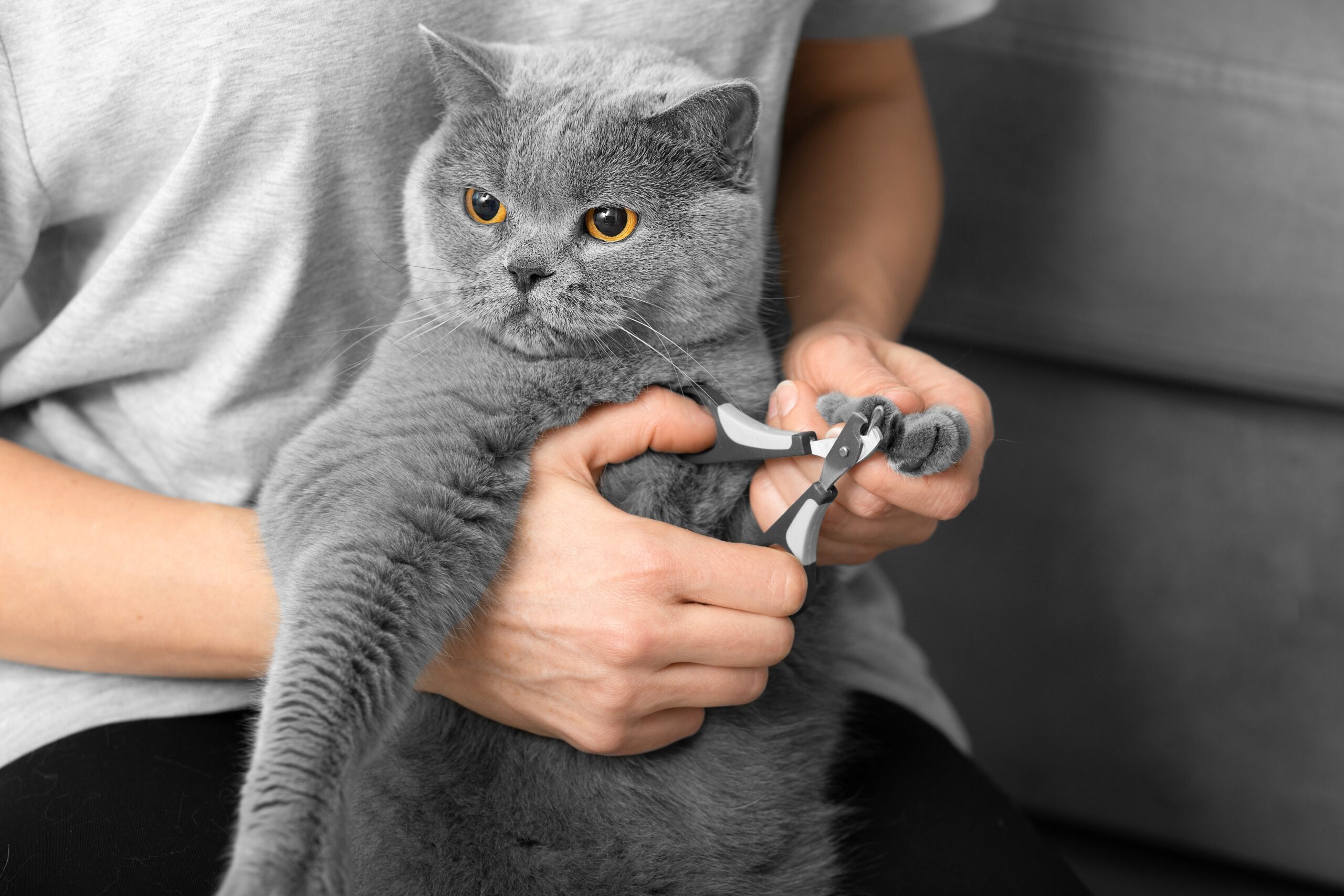
For many pet parents, the mere thought of clipping their feline companion’s claws induces a wave of anxiety. Cats are notoriously independent creatures who prefer to dictate their own terms, and pinning them down for a manicure often results in flying fur, hissing, and painful scratches. However, maintaining your cat’s claws is an essential component of routine cat grooming and overall feline health. Overgrown claws can curl inward and pierce the paw pads, get painfully snagged on carpets, or cause accidental damage to your household furniture.
Learning how to trim cat nails safely transforms a stressful household battle into a calm, manageable bonding routine. With the right technique, a bit of patience, and a calm environment, you can master the process without losing your composure or your cat’s trust.
Here at Tuckahoe Animal Hospital & Pet Center in Tuckahoe, our team frequently helps local pet owners navigate routine maintenance and feline care. Let us explore the proven strategies to make nail trimming a peaceful experience for both you and your cat.
Preparing Your Cat for the Manicure
The secret to a successful grooming session starts long before you ever pick up the clippers. If your cat only sees the nail clippers right before an unpleasant wrestling match, they will learn to flee the moment the tool appears. Desensitizing your cat to the process takes time, but it pays off tremendously in the long run.
Start by getting your cat comfortable with having their paws touched. During quiet, relaxing moments, such as when your cat is sleepy or cuddling on your lap, gently massage their paws and press lightly on individual toes to extend the claws. Reward these moments with gentle praise or a favorite high-value treat. Once your cat accepts paw handling without pulling away, introduce the clippers by letting them sniff the tool while receiving another treat. This positive association builds crucial trust before you ever make the first cut.
Choosing the Right Tools and Environment
Having the proper equipment makes a remarkable difference when you are learning how to trim cat nails safely. Avoid using human nail clippers, as they tend to crush the claw rather than slice through it cleanly, which can cause discomfort or splitting. Instead, invest in specialized cat scissors or scissor-style clippers designed specifically for small feline claws.
Timing and environment are equally vital. Choose a quiet room with good lighting so you can clearly see the anatomy of the claw. Never attempt to clip your cat’s nails when they are hyperactive, overexcited, or freshly awakened from a startling noise. Pick a serene time of day when your cat is naturally mellow, perhaps right after a meal or an extended play session when their energy levels are low.
Step-by-Step Trimming Technique
When you are ready to begin, posture and comfort are everything. Hold your cat securely yet gently against your body, or wrap them loosely in a soft towel, often called a purrito, leaving only one paw exposed at a time. Gently press the top of a toe and the pad underneath to extend the claw outward.
Look closely at the translucent claw to locate the quick, which is the pinkish inner core that contains blood vessels and nerve endings. You must always cut several millimeters before the quick to avoid causing pain or bleeding. If you accidentally nick the quick, do not panic; keep styptic powder or cornstarch on hand to quickly stop any minor bleeding. Take things slowly, trimming only a few nails during one session if your cat begins to show signs of impatience or irritation. Consistency and positive reinforcement will eventually allow you to complete all four paws in one smooth sitting.
Incorporating Professional Support When Needed
Even with the best preparation, some cats remain fiercely resistant to home grooming. Certain rescue cats or older felines with past sensitivities may find paw manipulation deeply distressing. Forcing the issue in these situations can fracture your bond and lead to severe scratches.
When home maintenance proves too challenging, professional assistance is always available. Routine care provided by experienced staff ensures your pet’s paws stay healthy without the daily household stress. Maintaining your cat’s physical wellness contributes significantly to their overall longevity and happiness.
Partnering with Your Local Animal Care Experts
Navigating the nuances of feline maintenance is much easier when you have a dedicated veterinary team supporting you. Every cat has a unique personality, and tailoring your approach to fit their specific temperament makes all the difference in achieving long-term success.
Our team at Tuckahoe Animal Hospital & Pet Center is proud to serve pet parents throughout the Tuckahoe community. Whether you need personalized advice on feline behavioral habits, comprehensive wellness examinations, or professional cat grooming services, we are here to help. Reach out to our Tuckahoe facility today to schedule your next visit and keep your furry companion looking and feeling their absolute best.
FAQ
Q1. How often should I trim my indoor cat’s nails to keep them at a healthy length?
Ans: Most indoor cats require a nail trim every two to four weeks, depending on how quickly their claws grow and how frequently they use scratching posts.
Q2. What should I do if I accidentally cut the quick and my cat’s nail starts to bleed?
Ans: You should immediately apply a small amount of styptic powder or cornstarch to the bleeding tip with gentle pressure until the bleeding stops completely.
Q3. Can I use regular human nail clippers or scissors for my cat’s claws?
Ans: Human nail clippers are not recommended because they pinch and crush feline claws rather than cutting them cleanly, which can lead to painful splitting.
Q4. How can I calm an anxious cat who hates having their paws touched?
Ans: You can desensitize your cat gradually by pairing gentle paw touches with high-value treats during calm moments, slowly working up to touching the clippers to their claws over several days.
Q5. Why is regular nail maintenance important for older or less active cats?
Ans: Older cats often stop scratching adequately, causing their claws to grow in a full circle and eventually puncture or grow directly into their tender paw pads.