
Pet Portal


What Can a Veterinary Ultrasound Reveal That a Physical Exam Cannot?
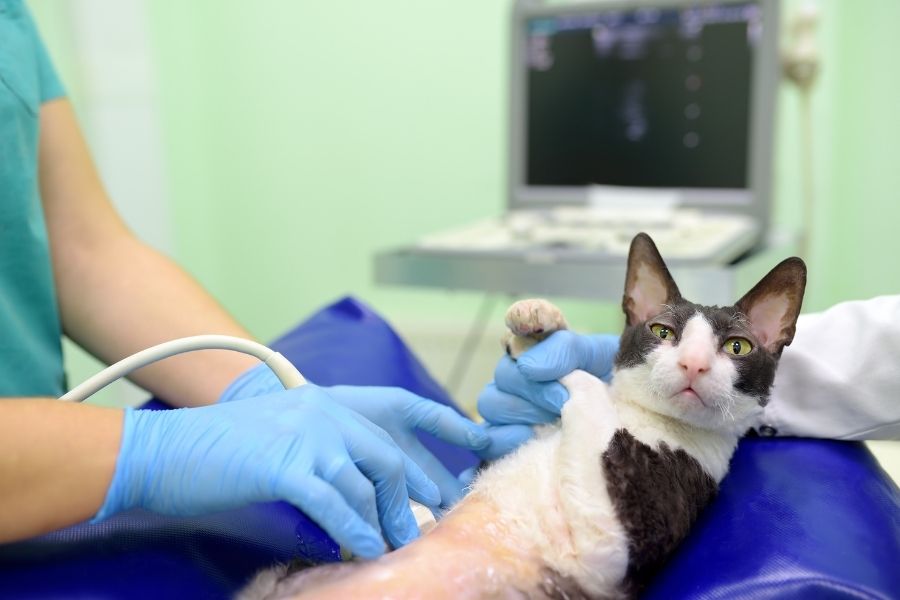
When a pet does not seem quite like themselves, a physical examination is usually the first step. A veterinarian can learn a great deal by checking your pet’s heart rate, breathing, body condition, gums, abdomen, skin, eyes, and overall behavior. However, some health changes occur inside the body and cannot be identified through touch or observation alone.
This is where a veterinary ultrasound can provide valuable information. Ultrasound allows veterinarians to look at internal organs and soft tissues in real time without making an incision. It can reveal changes that may not be obvious during a routine physical exam and can help guide the next steps in your pet’s care.
For pet owners in Tuckahoe, understanding how ultrasound fits into pet diagnostics care can make veterinary visits less confusing and help you recognize why your veterinarian may recommend advanced imaging.
What a Physical Exam Can Tell Your Veterinarian
A physical examination provides an important overview of your pet’s health. During an exam, the veterinarian may listen to the heart and lungs, examine the mouth, assess movement, feel the abdomen, check the skin and coat, and look for signs of discomfort.
Palpating the abdomen can sometimes help a veterinarian detect an enlarged organ, unusual mass, pain, or changes in the normal position of certain structures. However, physical examination has natural limitations.
For example, a veterinarian may notice that your pet has abdominal discomfort without being able to determine exactly what is causing it. Similarly, weight loss may indicate an underlying problem, but a physical exam alone may not reveal whether the cause involves the digestive system, liver, kidneys, or another internal structure.
A veterinary ultrasound can add another layer of information by allowing the veterinary team to see what is happening beneath the surface.
How Veterinary Ultrasound Works
Ultrasound uses sound waves to create images of structures inside the body. A veterinarian or trained veterinary professional places a small probe against the pet’s skin, usually over the area being examined. The probe sends sound waves into the body and receives echoes that are converted into an image.
Unlike an external physical examination, ultrasound provides a visual look at many internal organs and soft tissues. Depending on the reason for the scan, the veterinarian may evaluate areas such as the liver, kidneys, spleen, bladder, stomach, intestines, and other abdominal structures.
The images can show differences in organ size, shape, texture, and internal appearance. Ultrasound may also allow the veterinary team to observe movement within certain structures.
Finding Changes That Cannot Be Felt
One of the major benefits of ultrasound is its ability to identify internal changes that may not be detectable through palpation.
A physical exam might indicate that an organ feels abnormal, but ultrasound can provide more detail about its structure. It may help identify fluid-filled areas, changes in tissue appearance, masses, thickening, or other abnormalities.
This distinction can be particularly useful when a pet has vague symptoms. Signs such as reduced appetite, vomiting, changes in bowel movements, weight loss, or unusual tiredness can have many possible causes.
Ultrasound does not automatically provide a diagnosis, but it can help narrow down possibilities and give the veterinarian a clearer picture of what is happening internally.
Examining the Digestive System
Digestive problems can sometimes be difficult to understand based only on outward symptoms. A pet may have intermittent vomiting or changes in appetite without showing obvious abnormalities during a physical examination.
With ultrasound, veterinarians may be able to assess portions of the stomach and intestines and examine the appearance and thickness of their walls. The surrounding organs can also be evaluated at the same time.
This can provide useful information when a pet has persistent digestive symptoms or when laboratory results suggest that additional investigation may be appropriate.
Evaluating Internal Organs
The liver, kidneys, spleen, bladder, and other abdominal organs can sometimes develop structural changes before a pet displays obvious physical signs.
A veterinary ultrasound can help evaluate these organs in greater detail. The veterinarian may assess their size, shape, internal structure, and surrounding tissues.
For example, laboratory testing may indicate that an organ is not functioning normally, while ultrasound can help investigate whether there are visible structural changes associated with that finding.
This is an important part of comprehensive pet diagnostics care, because different diagnostic tools provide different pieces of information.
Looking for Fluid or Abnormal Tissue
Ultrasound can also help identify fluid within the abdomen and distinguish certain types of tissue based on their appearance.
If a veterinarian suspects that something unusual is present internally, ultrasound may help determine its location and characteristics. In some situations, the imaging findings may support a recommendation for additional testing, such as laboratory analysis or sampling of a particular area.
It is important to understand that ultrasound is an imaging tool rather than a complete diagnostic answer. The veterinarian interprets the findings alongside your pet’s history, physical examination, symptoms, and other test results.
When Your Veterinarian May Recommend an Ultrasound
There are many reasons a veterinarian may consider ultrasound. It may be recommended when symptoms persist without a clear explanation, when blood or urine testing raises concerns, or when the veterinarian wants a closer look at a particular internal organ.
Ultrasound may also be useful when monitoring a previously identified condition or evaluating changes over time.
The decision depends on the individual pet. Age, symptoms, medical history, physical examination findings, and previous test results can all influence whether ultrasound is appropriate.
Ultrasound and Other Diagnostic Tests Work Together
No single diagnostic test can answer every veterinary question. Physical examinations, laboratory testing, radiographs, and ultrasound each provide different types of information.
Radiographs can be useful for evaluating bones, certain organs, gas patterns, and other structures. Ultrasound is particularly helpful for many soft tissues and provides real-time imaging.
Laboratory tests can provide information about organ function, inflammation, blood cell changes, and other internal processes. When these tools are combined, veterinarians can develop a more complete understanding of a pet’s condition.
This coordinated approach helps make pet diagnostics care more focused and informative.
What Pet Owners Should Expect During an Ultrasound
The exact preparation and procedure can vary depending on the area being examined and the individual pet. Your veterinary team may provide instructions about feeding or other preparation before the appointment.
During the scan, some hair may need to be clipped from the area so the ultrasound probe can make proper contact with the skin. A gel is generally applied to help transmit the sound waves.
Many pets tolerate the process well, although some may need extra support if they are anxious or uncomfortable. Your veterinarian can explain what to expect based on your pet’s specific circumstances.
At Tuckahoe Animal Hospital & Pet Center, pet owners in Tuckahoe can discuss their concerns with the veterinary team and learn whether additional diagnostic imaging may be appropriate for their companion.
Understanding What Ultrasound Can Add
A physical examination remains one of the most important parts of veterinary medicine. It gives the veterinarian essential information about how your pet looks, feels, and responds.
A veterinary ultrasound adds another perspective by allowing the veterinary team to examine internal structures that cannot be fully evaluated from the outside. It can help identify abnormalities, investigate unexplained symptoms, and provide information that supports further diagnostic decisions.
When your veterinarian recommends an ultrasound, it does not necessarily mean that a serious problem has been found. Often, the goal is simply to gather more information so that the veterinary team can make a better-informed assessment of your pet’s health.
Schedule a Veterinary Appointment
If your pet has ongoing symptoms, unexplained changes in appetite or weight, digestive concerns, or abnormal test results, consider scheduling an appointment with Tuckahoe Animal Hospital & Pet Center. A veterinary consultation can help determine whether a physical examination alone is sufficient or whether additional pet diagnostics care, including veterinary ultrasound, may be useful.
Early discussion of concerning changes can give your veterinary team more information to work with and help you understand the diagnostic options available for your pet.
Frequently Asked Questions
Q1. What can a veterinary ultrasound detect in pets?
Ans: A veterinary ultrasound can show changes in internal organs and soft tissues, including differences in size, shape, texture, fluid accumulation, and certain abnormal growths. It provides visual information that may not be available from a physical examination alone.
Q2. Is veterinary ultrasound painful for pets?
Ans: Ultrasound is generally noninvasive and does not involve an incision. Some pets may experience mild discomfort from positioning or pressure over a sensitive area, but your veterinary team can take steps to keep the process as comfortable as possible.
Q3. Why might my pet need an ultrasound after bloodwork?
Ans: Bloodwork can identify changes in organ function or other internal processes, but it does not always show the structural reason behind those changes. Ultrasound can provide additional information about the appearance of internal organs and help guide further evaluation.
Q4. Is an ultrasound better than a physical examination?
Ans: Ultrasound and physical examinations serve different purposes. A physical examination provides essential information about your pet’s overall condition, while ultrasound allows the veterinarian to visualize certain internal structures. They often work together as part of complete pet diagnostics care.
Q5. Does every pet with vomiting or weight loss need an ultrasound?
Ans: Not necessarily. The need for ultrasound depends on the pet’s history, symptoms, examination findings, and previous test results. Your veterinarian can determine whether imaging is appropriate based on the individual situation.