Pet Portal


Why a Pet’s Tooth Can Look Healthy but Still Need Dental Treatment
A pet’s smile can be surprisingly misleading. You may look at your dog or cat’s teeth and see clean, white surfaces with no obvious damage. Your pet may also eat normally, play as usual, and show no clear signs of discomfort. Yet, problems can still develop beneath the gumline where they are difficult for owners to see.
This is one reason professional pet dental care matters. A tooth that appears healthy from the outside may have issues involving the gums, tooth roots, surrounding tissues, or areas hidden below the visible crown. Understanding what can happen beneath the surface can help pet owners recognize why a veterinary dental evaluation involves much more than simply looking at the teeth.
For families in Tuckahoe, regular dental attention through a veterinary practice such as Tuckahoe Animal Hospital & Pet Center can help support your pet’s oral health and overall comfort.
The Visible Tooth Is Only Part of the Picture
When you look inside your pet’s mouth, you can only see a portion of each tooth. The crown is the part visible above the gumline, while the roots extend into the tissues and bone beneath the gums.
This means a tooth can have a relatively normal-looking crown while the tissues around the root are experiencing problems. Gum inflammation, periodontal disease, root damage, and other dental conditions may not be obvious during a quick inspection at home.
Veterinary pet dentistry takes this hidden anatomy into account. A thorough dental assessment considers not only what the tooth looks like but also the health of the gums and supporting structures.
Dental Disease Can Develop Below the Gumline
One of the biggest challenges in maintaining oral health is that important dental changes can occur where owners cannot see them.
Plaque can accumulate along the gumline and eventually contribute to inflammation. As dental disease progresses, bacteria and inflammatory material can move deeper around the tooth. The visible surface may not fully reflect what is happening underneath.
A pet may therefore have significant dental disease while the teeth that you can see still appear relatively clean.
This is why veterinarians pay close attention to the gums, gumline, tooth stability, and other structures during a professional oral evaluation.
A Healthy Appetite Does Not Rule Out Dental Problems
Many pet owners assume that a pet with a dental problem will stop eating. That is not always the case.
Dogs and cats can continue eating even when their mouths are uncomfortable. Some pets may adapt by chewing differently, swallowing food more quickly, preferring softer foods, or using one side of the mouth more than the other.
Other pets simply do not show obvious changes in their routine.
Animals can also be very good at hiding discomfort. As a result, normal eating habits should not be considered proof that your pet has a completely healthy mouth.
Gum Health Matters as Much as Tooth Appearance
A dental examination is not just about identifying broken or discolored teeth. The gums provide important clues about oral health.
Healthy gums generally have a normal appearance and should not show persistent swelling, significant redness, or bleeding. Changes around the gumline can indicate inflammation or periodontal disease.
If inflammation continues, the tissues supporting the teeth may become affected. Over time, this can compromise the structures that help hold teeth securely in place.
Professional pet dental care allows a veterinarian to assess these tissues more closely than a casual inspection at home.
Some Tooth Problems Are Hidden by Normal-Looking Enamel
The hard outer surface of a tooth can sometimes remain intact even when deeper structures are affected. Damage, inflammation, or disease involving the inner portions of the tooth may not always produce an immediately noticeable change in appearance.
This is particularly important when a pet has a history of chewing on hard objects, trauma to the mouth, or changes in chewing behavior.
A veterinarian can evaluate the tooth for signs that warrant further investigation and determine whether additional dental procedures or imaging may be appropriate.
Dental Examinations Can Reveal More Than Owners Expect
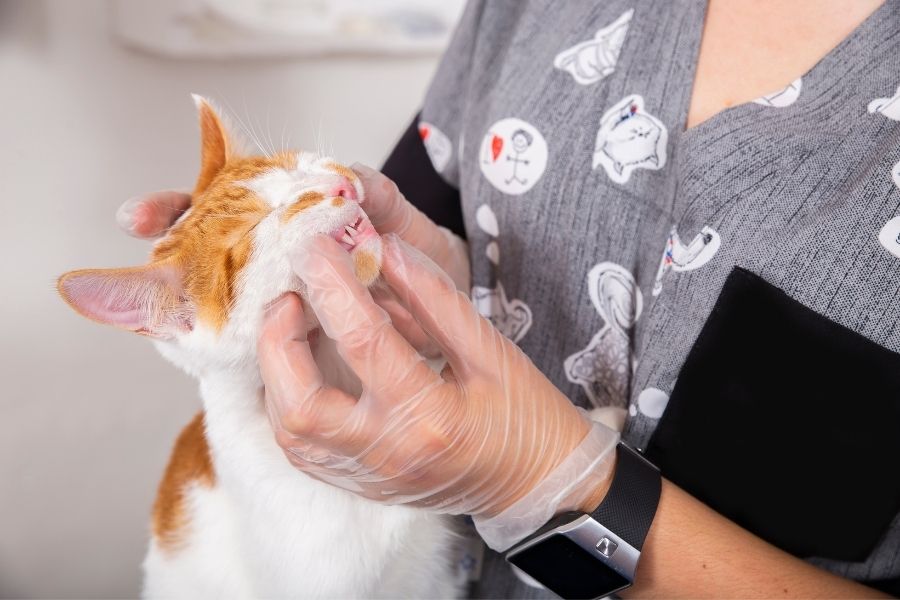
During a veterinary dental assessment, the veterinary team can evaluate the condition of the teeth and gums while looking for abnormalities that may be difficult to recognize at home.
The examination may include checking for plaque buildup, tartar, gum inflammation, loose teeth, damaged teeth, abnormal tooth positioning, and other concerns.
In some cases, a more detailed dental evaluation is needed to assess structures below the gumline. Depending on the findings, your veterinarian may recommend additional diagnostic steps to understand the condition of affected teeth and surrounding tissues.
This is one reason pet dentistry involves more than cleaning visible tooth surfaces.
Why Dental Treatment May Be Recommended
If a tooth appears healthy but the veterinarian finds evidence of disease around it, treatment may be recommended to protect the surrounding tissues and address the underlying problem.
The appropriate treatment depends on what is found during the examination. Some pets may benefit from professional cleaning and ongoing home care, while other cases may require more involved dental treatment.
Your veterinarian can explain what they have found, why treatment is being considered, and what options may be appropriate for your pet.
Understanding the reason behind a recommendation can make dental care feel less confusing. Instead of focusing only on whether a tooth looks clean, the goal is to assess the health of the entire oral environment.
Why Professional Pet Dental Care Matters
Home dental care plays an important role in maintaining oral hygiene, but it does not replace professional veterinary assessment.
Brushing can help reduce plaque accumulation on accessible tooth surfaces, while routine veterinary examinations allow the oral cavity to be evaluated more comprehensively.
Your veterinarian can also identify changes that may be difficult for you to notice and provide guidance about an appropriate dental care routine for your pet.
Regular attention is especially useful because dental conditions can progress gradually. Waiting until a tooth looks obviously damaged may mean that an underlying issue has already developed.
Signs That May Suggest a Dental Problem
Even when a tooth looks healthy, certain changes may justify a veterinary dental evaluation. Watch for signs such as persistent bad breath, drooling, chewing differently, dropping food, reluctance to chew, pawing at the mouth, facial sensitivity, or changes in eating habits.
Some pets may also become less interested in hard treats or toys.
These signs do not automatically indicate a particular dental condition, but they are worth discussing with your veterinarian. A professional examination can help determine whether the changes are related to oral health or another concern.
Supporting Your Pet’s Oral Health in Tuckahoe
Good oral health is an ongoing part of responsible pet care. Combining appropriate home routines with veterinary examinations can help you stay aware of changes that may otherwise go unnoticed.
At Tuckahoe Animal Hospital & Pet Center, pet owners in Tuckahoe can discuss their pet’s oral health, dental concerns, and appropriate pet dental care with a veterinary team. A dental evaluation can help determine whether a tooth that looks healthy really is healthy beneath the surface.
The key lesson is simple: what you see is not always the complete story. A clean-looking tooth can still have problems around the gumline, root, or supporting tissues. Professional pet dentistry helps veterinarians look beyond the visible smile and focus on your pet’s complete oral health.
Schedule a Pet Dental Consultation
If you have noticed changes in your pet’s breath, chewing habits, appetite, or mouth, consider scheduling an appointment with Tuckahoe Animal Hospital & Pet Center. An online appointment or booking request can be a convenient way to discuss your concerns and determine whether your pet would benefit from a dental examination.
Regular professional pet dental care can help identify hidden concerns and give you a clearer understanding of your companion’s oral health.
Frequently Asked Questions
Q1. Can a pet have dental disease even if the teeth look clean?
Ans: Yes. Dental disease can develop around the gums, tooth roots, and supporting tissues where owners cannot easily see it. A clean-looking tooth does not always mean the entire tooth and surrounding structures are healthy.
Q2. Why does my pet keep eating if their mouth hurts?
Ans: Pets may continue eating despite oral discomfort. Some animals adapt their chewing behavior or choose foods that are easier to eat, while others may show very subtle changes that owners do not immediately recognize.
Q3. What does a veterinary dental examination check?
Ans: A dental examination can evaluate the teeth, gums, gumline, tooth stability, visible damage, plaque, tartar, and other oral structures. Your veterinarian may recommend additional evaluation when concerns exist beneath the gumline.
Q4. Is brushing my pet’s teeth enough for dental health?
Ans: Regular brushing can help control plaque on accessible surfaces, but it does not replace professional veterinary examinations. Your veterinarian can assess areas that are difficult to evaluate at home and recommend an appropriate dental care plan.
Q5. When should I schedule a pet dental evaluation?
Ans: Consider a dental evaluation if you notice persistent bad breath, chewing changes, drooling, difficulty eating, pawing at the mouth, or other unusual oral behaviors. Routine veterinary examinations can also help identify concerns before they become obvious at home.