
Pet Portal


Recognizing the Signs of Hidden Pain in Pets
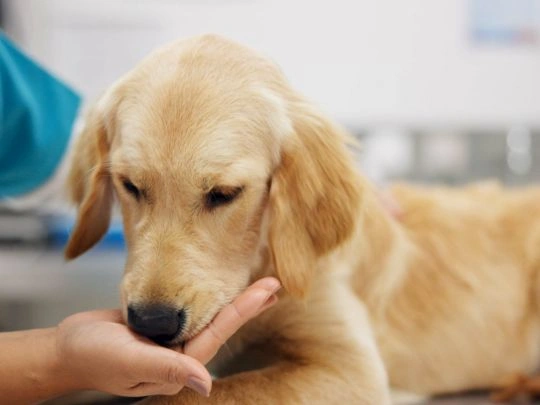
Pets are remarkable at masking physical discomfort. In the wild, showing vulnerability or weakness makes an animal a target, and that instinct remains deeply ingrained in our domestic dogs and cats. When a pet experiences sudden discomfort, whether from an acute injury, internal distress, or a flare-up of a chronic condition, the signs are often subtle before they become obvious.
Recognizing these subtle shifts early can make a significant difference in your pet’s recovery timeline. Common indicators of sudden distress include:
- Behavioral Shifts: Uncharacteristic withdrawal, sudden aggression when touched, or persistent restlessness.
- Posture and Mobility Changes: Hunched back, favoring a specific limb, or hesitation to sit down or stand up.
- Vocalizations: Unexplained whining, groaning, growling, or sharp yelps during normal movement.
- Physiological Signals: Heavy panting while at rest, rapid shallow breathing, or enlarged pupils.
- Loss of Interest: Sudden refusal to eat, drink, or engage with favorite toys and family members.
When these symptoms appear out of nowhere, waiting several days for a routine checkup isn’t ideal. This is precisely where urgent vet care plays a crucial role in restoring your pet’s comfort and health.
How Urgent Pet Care Bridges the Gap for Sudden Pain
When your companion is hurting, navigating veterinary options can feel overwhelming. Routine clinics often schedule non-critical appointments weeks out, while intensive critical care facilities focus primarily on life-threatening traumas. Specialized urgent pet care fills the essential space in between.
These clinics are designed to handle prompt medical evaluations for non-life-threatening yet time-sensitive conditions. By providing timely access to veterinary professionals, these facilities prevent mild-to-moderate discomfort from escalating into severe health issues.
Prompt Diagnostics and Advanced Assessment
Investigating sudden pain requires precise tools. Modern clinics utilize comprehensive diagnostic suites to pinpoint the source of discomfort quickly:
- Digital Radiography: Rapid imaging to detect bone fractures, joint dislocations, or swallowed foreign items.
- In-House Laboratory Testing: Fast bloodwork and urinalysis to evaluate organ function, check for infections, or detect toxic exposures.
- Point-of-Care Ultrasound: Quick visual evaluations of soft tissue structures and internal fluid dynamics.
Targeted Pain Management Protocols
Once the underlying issue is identified, immediate intervention is prioritized. Veterinary teams employ tailored treatment strategies, which may include fast-acting prescription medications, therapeutic fluids, targeted localized therapy, or temporary bracing to support injured limbs.
Common Causes of Sudden Pain Managed by Immediate Care Clinics
Pets can develop acute discomfort for a wide variety of reasons. Immediate veterinary visits frequently evaluate and manage several common conditions:
Soft Tissue and Musculoskeletal Injuries
Active dogs jumping off furniture or running in the yard can easily tear ligaments, sprain joints, or strain muscles. Swift evaluation ensures the injury is stabilized before further tissue damage occurs.
Gastrointestinal Distress and Abdominal Pain
Ingesting non-food objects, sudden dietary changes, or toxic substances often leads to severe abdominal cramping, bloating, or sharp discomfort. Timely intervention helps clear blockages and soothe severe inflammation.
Severe Ear and Skin Infections
While an ear infection might sound minor, acute infections can trigger intense, throbbing pain very rapidly. Pets often shake their heads violently, leading to ruptured blood vessels in the ear flap if not addressed promptly.
Corneal Ulcers and Eye Traumas
Eye injuries are notoriously painful and can deteriorate without fast treatment. Scratches on the cornea or foreign debris require rapid medical drops and protective measures to preserve vision.
What to Expect During an Immediate Medical Visit
Understanding the process can ease your anxiety when taking a suffering pet in for evaluation. Upon arrival, the medical team conducts an initial intake assessment to evaluate vital signs, pain levels, and overall stability.
Following this initial intake, the veterinary practitioner conducts a physical examination, checking reflexes, palpating the abdomen, and assessing joint mobility. Diagnostic tests are performed as needed to establish an accurate diagnosis. Once a clear picture emerges, the team creates a customized treatment plan focused on immediate pain relief and long-term recovery guidelines for home care.
Helping Your Pet at Home Before Your Visit
While preparing to bring your pet to the clinic, taking specific steps can minimize their distress and prevent accidental injury:
- Handle with Care: Even the gentlest dog or cat may nip or scratch when in pain. Use blankets or towels to gently wrap and support them.
- Restrict Movement: Keep your pet confined to a small area or crate to prevent further aggravation of joint or back injuries.
- Avoid Human Medications: Never administer over-the-counter human pain relievers like ibuprofen, acetaminophen, or aspirin. These are highly toxic to dogs and cats and can cause fatal organ failure.
- Keep Environments Calm: Dim the lights, keep noise levels low, and speak in reassuring tones to keep their heart rate down.
Taking prompt action ensures your furry family member receives compassionate relief right when they need it most.
Ready to ensure your companion receives the prompt attention they deserve? You can easily book a visit through our streamlined online booking platform today to secure an evaluation time for your companion.
For immediate guidance or to speak directly with our compassionate staff, call our team at 914-395-1500.
If you are from Tuckahoe and looking for urgent pet care, Tuckahoe Animal Hospital & Pet Center provides dedicated medical support tailored to your companion’s needs.
Frequently Asked Questions
Q1. What is the main difference between routine wellness care and urgent medical care for pets?
Ans: Routine wellness care focuses on preventative health measures like annual checkups, routine screening, and ongoing wellness monitoring. Urgent care addresses sudden, non-life-threatening injuries or illnesses that require prompt attention and pain relief when regular scheduled appointments are unavailable.
Q2. How can I safely transport my pet if they are experiencing intense pain?
Ans: Minimize movement by keeping your pet in a secure, padded carrier or wrapped gently in a thick blanket. Support their body evenly, avoid pressing on painful areas, and speak in calm, soothing tones during transport to help reduce anxiety.
Q3. Can I give my dog or cat human pain medication in an emergency?
Ans: No, you should never give pets human pain medications. Over-the-counter medicines like ibuprofen, acetaminophen, and aspirin are extremely toxic to animals and can lead to severe gastrointestinal ulcers, kidney failure, or liver damage.
Q4. What should I bring with me to an urgent veterinary visit?
Ans: Bring any current medications your pet is taking, relevant medical history records, details about recent diet or potential toxin exposure, and a list of observed symptoms to help the veterinary team make an accurate diagnosis.
Q5. How do veterinarians determine the cause of sudden abdominal pain?
Ans: Veterinarians use a combination of physical examination, diagnostic blood work, digital X-rays, and point-of-care ultrasound imaging to safely inspect the abdominal cavity, evaluate internal organs, and check for foreign objects or inflammation.