

Pet Portal


How to Keep Aging Cats Mentally Stimulated When They Stop Exploring
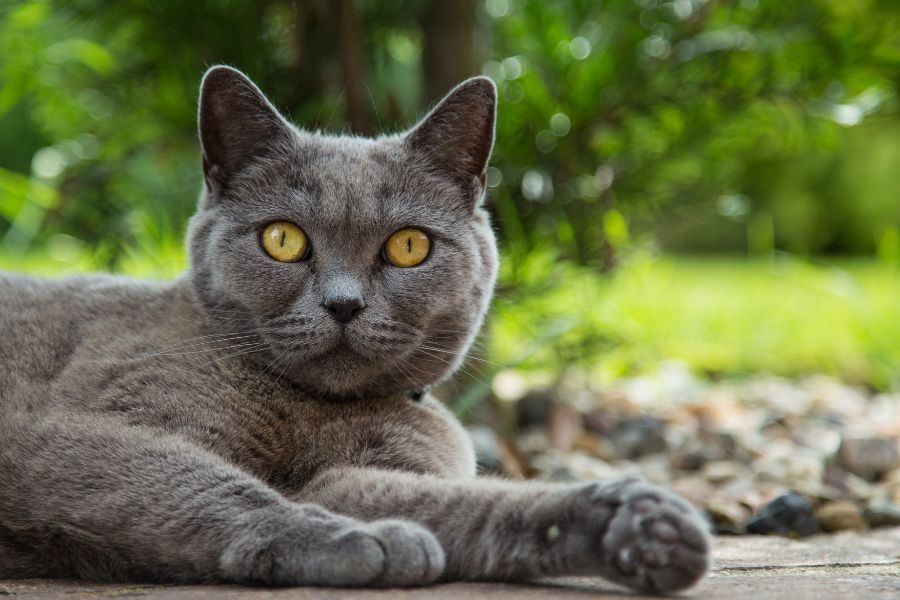
Your cat used to patrol every room, climb every shelf, and inspect every new box. Now she naps in the same sunny spot all day. For cat owners in Tuckahoe, this change can feel sad, but it’s also a useful signal. Good senior cat care includes keeping your cat’s mind active, and knowing when to search for a veterinarian near me when changes seem like more than slowing down.
Why Aging Cats Stop Exploring
Cats are creatures of habit, and curiosity naturally softens with age. Most cats are considered seniors around age 10, though changes can begin earlier. A cat who explores less isn’t necessarily bored or unhappy. Often, there is a physical reason behind it.
Arthritis is one of the most common causes, and it is easy to miss because cats hide discomfort so well. Instead of limping, a cat with sore joints may stop jumping onto the windowsill, skip the cat tree, or avoid the stairs. Vision and hearing loss can also make a once-exciting home feel unpredictable, so your cat stays where she feels safe.
Other causes include dental pain, kidney disease, and thyroid problems. Cats with these conditions may withdraw, sleep more, or lose interest in play. That is why it helps to separate “slower” from “struggling.”
Normal aging is gradual. Your cat still knows you, still eats well, and still enjoys her favorite routines, just at a gentler pace. If her energy dropped suddenly, or she seems confused or uninterested in food, it’s worth a closer look rather than assuming it’s just age.
Senior Cat Care Ideas to Keep Your Cat’s Mind Active
Mental stimulation matters as much as food and comfort in senior cat care. The goal is to offer gentle challenges that fit your cat’s energy level, in short sessions that never feel stressful.
Here are some easy ideas to try:
- Puzzle feeders and treat balls that make mealtime more rewarding
- Short play sessions with a wand toy, moved slowly so your cat can pounce without jumping high
- A window perch with a view of birds, or a bird feeder outside the glass
- Toy rotation, swapping out a few toys each week so familiar items feel new
- Catnip, silvervine, or cat-safe grass for a bit of sensory fun
Scent and sound can be wonderful tools too. Many older cats enjoy a new blanket with an interesting smell, soft music, or videos made for cats. Introduce one change at a time so your cat isn’t overwhelmed.
Food can be a form of play. Hide a few treats around a room, or place kibble in a shallow muffin tin so she has to “forage” for it. This taps into natural hunting instincts without demanding much physical effort.
Don’t forget the value of simple companionship. Gentle brushing, quiet lap time, and talking to your cat are all forms of enrichment. Even five focused minutes a few times a day can help your cat feel secure and engaged. Keep sessions brief and let her decide when she’s finished.
Making Your Home Easier for a Slower Cat
Sometimes a cat stops exploring because the home has become hard to navigate. Small changes can open her world back up. Place pet steps or ramps beside favorite perches so she can reach them without a big leap. Low-sided litter boxes and soft beds in warm spots remove obstacles that may be quietly holding her back.
Create “stations” around the house. A cozy bed near a sunny window, a scratching post in the living room, and a water bowl close to where she naps keep everything within easy reach. Non-slip mats on slick floors can also build her confidence.
Try to keep the layout consistent. Cats with declining vision or memory rely on familiar landmarks, so avoid moving furniture or her essentials around. A night light in the hallway can help a cat with weaker eyesight move safely after dark.
If you have more than one cat, make sure your senior has her own food, water, litter box, and resting space. Younger cats can sometimes crowd or guard resources, which may discourage an older cat from moving around the house. Giving her a quiet room of her own can make a real difference.
When to See a Veterinarian Near Me About Behavior Changes
Slowing down is normal. Sudden or significant changes are not. Consider scheduling a visit if your cat:
- Cries or wanders at night, or seems lost in familiar rooms
- Has accidents outside the litter box
- Hides more often or no longer greets you
- Eats or drinks much more or less than usual
- Loses weight or stops grooming herself
These signs can point to pain, illness, or cognitive dysfunction, a condition similar to dementia in people. Many of these problems are manageable when they are found early. Your veterinarian can perform a physical exam, recommend diagnostic tests, and suggest options for both comfort and mental support.
Many owners type “veterinarian near me” into a search bar only after a problem becomes obvious. A better approach is to schedule regular senior checkups, typically every six months, so small changes get noticed sooner. Bring notes or short videos of what you’re seeing at home. They give your vet a much clearer picture than a quick description.
Conclusion: Keep Her Curious at Every Age
A quiet senior cat isn’t a lost cause. With a few small adjustments, you can keep her mind active and her days interesting. Gentle play, puzzle feeders, an easy-to-navigate home, and plenty of calm attention are all part of thoughtful senior cat care.
If you’ve searched for a veterinarian near me to help with an aging cat, the team at Tuckahoe Animal Hospital & Pet Center in Tuckahoe is here for you. We can check for hidden health issues and build a plan that keeps your companion comfortable, curious, and connected to you.
At Tuckahoe Animal Hospital & Pet Center in Tuckahoe, we are committed to helping senior cats stay comfortable, curious, and healthy. Schedule your cat’s visit today and give your pet the care they deserve.
Frequently Asked Questions
Q1. How much sleep is normal for a senior cat?
Ans: Senior cats often sleep 16 to 20 hours a day, which is normal. Be concerned if sleep increases suddenly or your cat seems unusually withdrawn, since that can signal pain or illness.
Q2. How can I tell if my cat is bored or in pain?
Ans: A bored cat usually still moves comfortably and responds to new toys or attention. A cat in pain may avoid jumping, groom less, or react when touched. If you’re unsure, a veterinary exam can sort out the difference.
Q3. Is catnip safe for older cats?
Ans: Catnip is generally safe for healthy cats of any age, and it’s a nice way to add stimulation. Offer it in small amounts, and ask your veterinarian first if your cat has a health condition or takes medication.
Q4. How often should I take my senior cat to a veterinarian near me?
Ans: Most senior cats benefit from a wellness exam about every six months. Cats with chronic conditions or noticeable changes may need more frequent visits, so your veterinarian can set the right schedule.
Q5. Should I adopt a second cat to keep my senior cat company?
Ans: Not always. Many older cats prefer a calm, predictable home, and a new companion can cause stress. Talk with your veterinarian before making this decision.
