
Pet Portal


How Veterinarians Decide Whether a Cat Needs Surgery or Can Be Treated Another Way
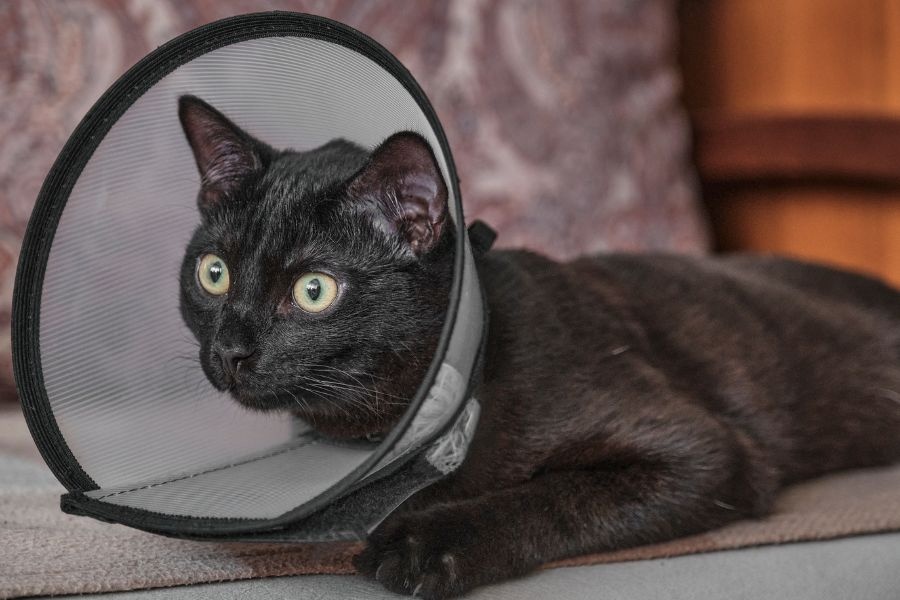
When a cat develops a lump, suffers an injury, experiences digestive problems, or shows changes in normal behavior, surgery may be one possible treatment. However, an operation is not always necessary. Depending on the condition, medication, dietary adjustments, supportive care, or careful monitoring may provide an appropriate alternative.
For cat owners exploring cat surgery in Tuckahoe, understanding how veterinarians evaluate treatment options can make medical decisions feel less overwhelming. The goal is to identify the cause of the problem, consider the benefits and risks of each approach, and choose a plan that supports the cat’s health and comfort. A recommendation for surgery is based on the individual animal’s condition, not simply the presence of a symptom.
Start With a Physical Examination and Medical History
Before recommending surgery, a veterinarian gathers information about the cat’s symptoms, medical background, and overall health. The examination may include checking the eyes, ears, mouth, skin, abdomen, heart, lungs, and joints, depending on the concern.
Owners can help by describing when the symptoms began, whether they are getting worse, and how they affect daily activities. Changes in appetite, water intake, litter box habits, movement, grooming, and energy levels may provide important clues. Previous illnesses, medications, injuries, and treatments are also relevant.
For example, a cat that vomits occasionally may need a different evaluation from one that repeatedly vomits, cannot keep food down, or has abdominal pain. Similarly, a small lump beneath the skin may require monitoring or sampling, while a growing mass with concerning features may need more extensive investigation.
This first assessment helps the veterinarian determine which diagnostic tests are appropriate and whether a surgical procedure should be considered.
Use Diagnostic Testing to Understand the Problem
Symptoms alone do not always reveal what is happening inside a cat’s body. Diagnostic testing can help distinguish conditions that look similar but require different treatments.
Bloodwork may provide information about organ function, blood cell levels, and metabolic changes. Urine testing can help evaluate urinary tract concerns and certain kidney-related problems. X-rays may reveal fractures, some foreign objects, or changes involving the chest and abdomen. Ultrasound can provide additional information about soft tissues and internal organs.
Depending on the condition, a veterinarian may recommend a fine needle sample, biopsy, culture, or other specialized test. These procedures can help determine whether a lump is inflammatory, infectious, or potentially cancerous, for example.
Not every cat needs every test. The veterinarian selects diagnostics based on the suspected condition, the cat’s examination findings, and how the results could affect treatment decisions. The purpose is to gather enough reliable information to avoid unnecessary procedures and choose an appropriate approach.
When Medication or Other Nonsurgical Treatment May Help
Some conditions can be managed without an operation. Medication may be appropriate for certain infections, inflammatory conditions, pain, or other disorders when the underlying problem can be treated medically.
Dietary changes and supportive care may also help in selected cases. A cat with a condition influenced by nutrition might benefit from a veterinarian-recommended diet, while another patient may need fluid support or adjustments to its existing treatment plan.
Monitoring is another possible approach when a condition appears stable and immediate intervention is not necessary. A veterinarian may recommend measuring a lump periodically, tracking symptoms, or scheduling follow-up examinations to determine whether the problem changes.
However, nonsurgical treatment is not automatically safer or more effective than surgery. Some conditions may continue to progress if an operation is needed to correct the underlying cause. The veterinary team considers whether an alternative is likely to resolve the problem, control symptoms, or simply delay necessary treatment.
Situations Where Cat Surgery May Be Necessary
Surgery may be recommended when a condition cannot be adequately corrected through medication or observation. The decision depends on the location and severity of the problem, its effect on the cat’s health, and the expected outcome of the procedure.
A foreign object lodged in the digestive tract may require surgical removal if it cannot pass safely or be retrieved using another appropriate method. Certain fractures may need surgical stabilization to support healing and restore function. Some tumors may be candidates for removal, depending on their location, type, and whether surgery is likely to help.
Surgery may also be considered for specific urinary problems, wounds requiring repair, or conditions involving damaged tissue. In these situations, the veterinarian evaluates whether an operation offers a meaningful benefit compared with available alternatives.
The word surgery covers many different procedures, from relatively limited operations to more complex interventions. Your veterinarian should explain the purpose of the proposed procedure, the anticipated recovery, and the potential complications relevant to your cat.
Consider the Benefits and Risks of Each Option
Every treatment decision involves balancing potential benefits against possible drawbacks. Surgery may offer a way to remove diseased tissue, repair an injury, or correct a structural problem. However, it also involves anesthesia, post-operative discomfort, recovery time, and risks that vary by patient and procedure.
Nonsurgical approaches have their own considerations. Medication may cause side effects, require repeated administration, or fail to resolve the underlying condition. Monitoring may be reasonable for a stable problem but could be unsuitable if the condition is progressing or causing significant discomfort.
A veterinarian considers the cat’s age, current health, test results, and likely response to treatment. The discussion should also include what may happen if treatment is delayed or if the recommended procedure is not performed.
Ask your veterinarian to explain the expected outcome of each option in straightforward language. Understanding the reasons behind a recommendation helps you make a decision based on your cat’s needs rather than assumptions about surgery being either necessary or avoidable.
How Your Cat’s Age and Health Affect the Decision
A cat’s age alone does not determine whether surgery is appropriate. Young cats can have medical conditions that require careful assessment, while older cats may undergo procedures when the expected benefits outweigh the risks.
Existing health concerns can influence anesthesia planning and recovery. For instance, kidney disease, heart problems, anemia, or other medical conditions may require additional testing or adjustments to the treatment plan. Pre-surgical bloodwork and other diagnostics can help identify issues that need attention before an operation.
The veterinarian may also consider body condition, hydration, current medications, and the cat’s ability to tolerate recovery. If a procedure is recommended, the team can explain whether additional monitoring or supportive care may be helpful.
In some cases, treating an underlying condition before surgery may improve readiness for anesthesia. In other cases, delaying a needed procedure may create additional risks. The right timing depends on the specific diagnosis and the cat’s overall condition.
Why Follow-Up and Reassessment Matter
Treatment decisions can change as new information becomes available. A cat initially managed with medication or monitoring may need another approach if symptoms persist, test results change, or the condition worsens.
Follow-up appointments help the veterinarian assess progress and decide whether the current plan is working. Owners should report new symptoms, difficulty giving medication, reduced appetite, or changes in activity rather than waiting until the next scheduled visit if concerns arise.
If surgery is postponed, ask what signs should prompt an earlier reassessment and when the next examination should take place. A clear follow-up plan helps ensure that monitoring remains an active part of treatment rather than an indefinite wait.
Discuss Treatment Options With Tuckahoe Animal Hospital & Pet Center
Choosing between surgery and nonsurgical treatment requires a clear understanding of your cat’s diagnosis, available options, and likely outcomes. Physical examinations, diagnostic tests, medical history, and ongoing observations all help veterinarians develop an individualized plan.
If your cat has a health concern or you are considering pet surgical services in Tuckahoe, contact our animal hospital to discuss an examination and the appropriate next steps. Ask about the potential benefits of surgery, possible alternatives, expected recovery, and any additional testing your cat may need. Working closely with your veterinary team can help you make an informed decision that prioritizes your cat’s health and quality of life. Ready to give your pet the care they deserve? Schedule your visit to our clinic online today.
Frequently Asked Questions
Q1. Does every lump on a cat need to be removed surgically?
Ans: No. Some lumps may be monitored or evaluated through sampling, while others may require removal. A veterinarian can recommend the appropriate approach based on the lump’s size, location, appearance, and test results.
Q2. Can medication replace surgery for a cat with an internal problem?
Ans: Sometimes. Certain conditions respond to medication or supportive care, but structural problems or some foreign objects may require a procedure. The appropriate treatment depends on the diagnosis and severity.
Q3. How does a veterinarian decide whether a cat is healthy enough for surgery?
Ans: The veterinarian considers the physical examination, medical history, and relevant diagnostic results. Bloodwork and additional tests may help identify health concerns that could affect anesthesia or recovery.
Q4. Is monitoring a cat’s condition instead of operating a safe option?
Ans: Monitoring may be suitable for some stable conditions when the veterinarian believes immediate intervention is unnecessary. It should include a clear follow-up schedule and instructions about signs that require reassessment.
Q5. Can I ask for a second opinion before agreeing to cat surgery?
Ans: Yes. You can ask for clarification or seek another veterinary opinion, particularly for complex procedures. Share available examination findings and test results so the next veterinarian can assess the situation more fully.
