

Pet Portal


Behavioral Medicine for Pets: How to Manage Storm and Noise Anxiety
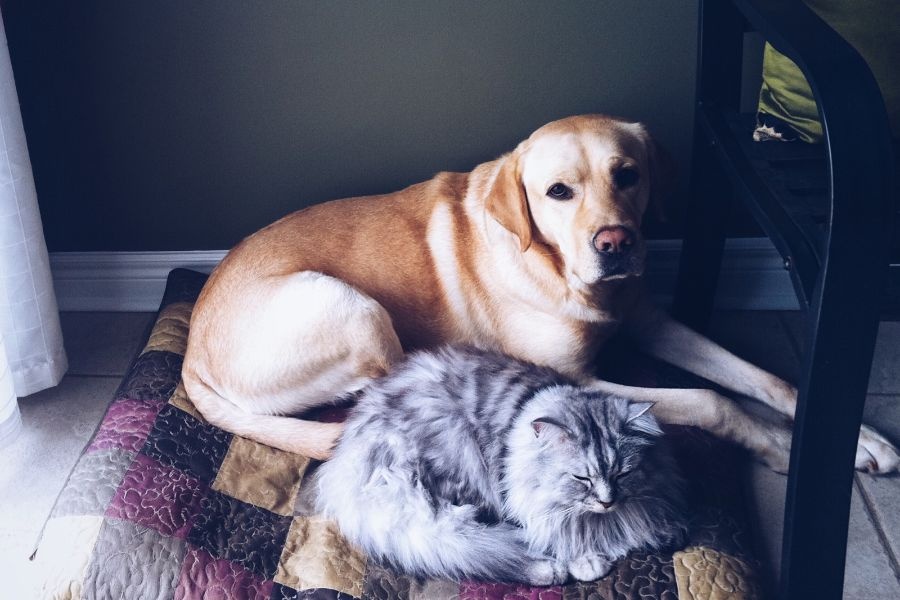
Does your dog tremble during thunderstorms? Does your cat disappear under the bed when fireworks begin? For some pets, loud and unexpected sounds are more than a temporary disturbance. They can trigger intense fear, panic, and physical stress responses that affect everyday wellbeing.
Noise anxiety is a common behavioral concern among dogs and cats. Thunderstorms, fireworks, construction sounds, sirens, and heavy traffic can all become sources of distress.
For pet parents, understanding these reactions is the first step toward helping their companions feel safer. Behavioral medicine for pets combines veterinary assessment, behavior modification, and appropriate treatment to manage fear and improve quality of life.
How Does Noise Anxiety Affect Your Pet’s Nervous System?
Fear is a natural survival response. When a pet hears something frightening, its nervous system activates the body’s fight-or-flight response.
The sympathetic nervous system releases stress hormones, including adrenaline, while the hypothalamic-pituitary-adrenal (HPA) axis contributes to cortisol release. These responses prepare the animal to escape or respond to perceived danger.
You may notice:
- Increased heart rate and rapid breathing.
- Trembling, panting, or excessive drooling.
- Dilated pupils and heightened alertness.
- Pacing, hiding, or attempts to escape.
- Loss of appetite or difficulty settling down.
Occasional fear is a normal response. However, repeated or prolonged episodes can contribute to chronic stress, hypervigilance, disrupted sleep, and changes in everyday behavior.
Research on thunderstorm-sensitive dogs has also demonstrated measurable physiological stress responses, including increased cortisol levels. This is why severe noise anxiety deserves attention beyond simply comforting a frightened pet.
Recognizing the Hidden Signs of Storm and Noise Anxiety
Not every pet reacts to loud sounds in the same way. Some display obvious panic, while others communicate discomfort through subtle behavioral changes.
Dogs may bark excessively, cling to their owners, pace around the house, hide in bathrooms, or scratch at doors and windows. Some may attempt to escape or become destructive.
Cats often respond differently. They may retreat under furniture, hide in closets, stop eating temporarily, vocalize excessively, or become unusually withdrawn.
Other warning signs include:
- Becoming restless before a storm begins.
- Reacting to changes in wind, rain, or atmospheric conditions.
- Refusing to go outdoors during noisy events.
- Becoming unusually sensitive to everyday household sounds.
- Taking a long time to return to normal after the noise stops.
If these behaviors occur repeatedly, discuss them with your veterinarian rather than assuming your pet will eventually outgrow the fear.
5 Practical Ways to Help Your Pet Feel Safer at Home
Managing noise anxiety starts with creating an environment where your pet feels secure.
1. Create a Comfortable Safe Space
Choose a quiet, familiar area away from windows and external noise. Add your pet’s favorite bedding, blankets, toys, and water.
Some dogs prefer covered crates, while cats may feel safer inside enclosed hiding spaces. Never force a pet into a crate or hiding area if it increases their distress.
2. Reduce External Noise
Close windows and curtains during thunderstorms or fireworks. Use fans, television, or white noise to help mask sudden sounds.
For homes in busy suburban and urban environments, reducing exposure to traffic, construction, sirens, and neighborhood disturbances can also help sensitive pets.
3. Practice Gradual Sound Desensitization
Sound desensitization involves introducing recordings of frightening noises at a very low volume while your pet remains comfortable.
Pair the sound with treats, play, or another enjoyable activity. Gradually increase the volume over multiple sessions, but only while your pet remains relaxed.
If your pet shows fear, reduce the intensity or stop the session. Never force exposure to loud sounds in an attempt to make an animal get used to them. This can make the fear worse.
4. Maintain Predictable Daily Routines
Regular feeding times, exercise, play, and rest can help pets feel more secure.
Before an anticipated storm or fireworks event, take dogs for walks earlier in the day and make sure they have access to their safe spaces.
5. Offer Reassurance Without Punishment
Stay calm and allow your pet to seek comfort. Gentle attention, treats, and reassurance are appropriate when your pet wants them.
Never punish trembling, hiding, barking, or other fear-related behaviors. Fear is an emotional response, not deliberate disobedience.
How Behavioral Medicine for Pets Supports Long-Term Treatment
Environmental changes can make a meaningful difference, but pets with severe or recurring noise anxiety may need a more structured veterinary treatment plan.
Behavioral medicine for pets combines medical evaluation with behavior modification to address both the emotional and physical aspects of anxiety.
At Tuckahoe Animal Hospital & Pet Center, behavioral medicine brings together veterinary clinical medicine, behavioral medicine, and pet training to help identify and manage behavioral concerns.
The first step is an individual evaluation to understand your pet’s triggers, medical history, environment, and behavioral patterns.
Your veterinarian may recommend gradual desensitization, counterconditioning, environmental management, and other appropriate behavior techniques.
The objective is not simply to suppress visible fear. It is to help your pet develop healthier responses to situations that previously caused distress.
Are Calming Supplements and Prescription Medications Safe?
Some pets benefit from additional support when behavioral techniques and environmental adjustments are not sufficient.
Veterinarian-recommended calming supplements may include selected nutraceuticals, pheromone products, or other supportive formulations. However, their effectiveness varies, and not every product is suitable for every pet.
For pets experiencing moderate to severe anxiety, prescription medication may be considered.
Depending on the diagnosis, a veterinarian may recommend:
- Situational anti-anxiety medication before predictable noise events.
- Longer-term medication for persistent anxiety.
- Additional behavioral therapy alongside medical treatment.
Medication selection depends on your pet’s species, age, overall health, existing medications, and severity of symptoms.
Never give human anti-anxiety medication, leftover prescriptions, or unapproved supplements to your pet without veterinary guidance. Some medications require careful timing and monitoring.
Why a Pet Wellness Exam Matters for Behavioral Health
Behavioral changes can sometimes have an underlying medical explanation. Pain, illness, age-related changes, and other health concerns can contribute to increased sensitivity or unusual behavior.
A comprehensive pet wellness exam allows your veterinarian to evaluate your pet’s general health and discuss changes in appetite, activity, sleep, and behavior.
For families in Tuckahoe and surrounding Westchester communities, Tuckahoe Animal Hospital & Pet Center provides wellness examinations and dedicated behavioral medicine services.
The hospital’s veterinary team can help determine whether your pet needs medical investigation, behavior modification, medication, or a combination of approaches.
Starting treatment before the next major thunderstorm or fireworks season gives you more time to develop a practical plan.
Help Your Pet Feel Safer, One Step at a Time
Noise anxiety should not be dismissed as something pets simply have to tolerate. Repeated fear can affect their comfort, behavior, and overall wellbeing.
With early assessment, appropriate environmental adjustments, positive behavioral techniques, and veterinary-supervised treatment, many pets can learn to cope better with frightening sounds.
Consult with our veterinarians to build an effective noise-anxiety strategy before storm season.
Tuckahoe Animal Hospital & Pet Center is committed to helping pets and their families through compassionate, individualized veterinary care. Book an appointment with us to discuss your pet’s symptoms and receive personalized veterinary guidance.
Frequently Asked Questions
Q1. Why is my dog so scared of thunderstorms?
Ans: Dogs may associate thunderstorms with frightening sounds, flashes of lightning, wind, and other environmental changes. Previous negative experiences, genetics, and underlying anxiety can contribute to these reactions.
Q2. Can cats experience noise anxiety from fireworks?
Ans: Yes. Cats can develop significant fear responses to fireworks, thunderstorms, construction, and other loud sounds. Hiding, excessive vocalization, reduced appetite, and withdrawal are possible signs.
Q3. Can behavioral medicine help pets with severe noise phobia?
Ans: Yes. Behavioral medicine combines veterinary assessment, environmental management, behavior modification, and medication when appropriate. Treatment is tailored to each pet’s individual needs.
Q4. Are calming supplements enough to treat pet anxiety?
Ans: Not always. Some veterinarian-selected supplements and pheromone products may provide additional support, but severe anxiety often requires a more comprehensive treatment plan that may include behavioral therapy and prescription medication.
Q5. When should I take my pet to the veterinarian for storm anxiety?
Ans: Schedule an appointment if your pet repeatedly trembles, hides, pants excessively, attempts to escape, or takes a long time to recover after loud events. Early assessment can help prevent fear-related problems from becoming more difficult to manage.
