
Pet Portal


Torn ACL in Dogs: The Right Way to Use Heating Pads
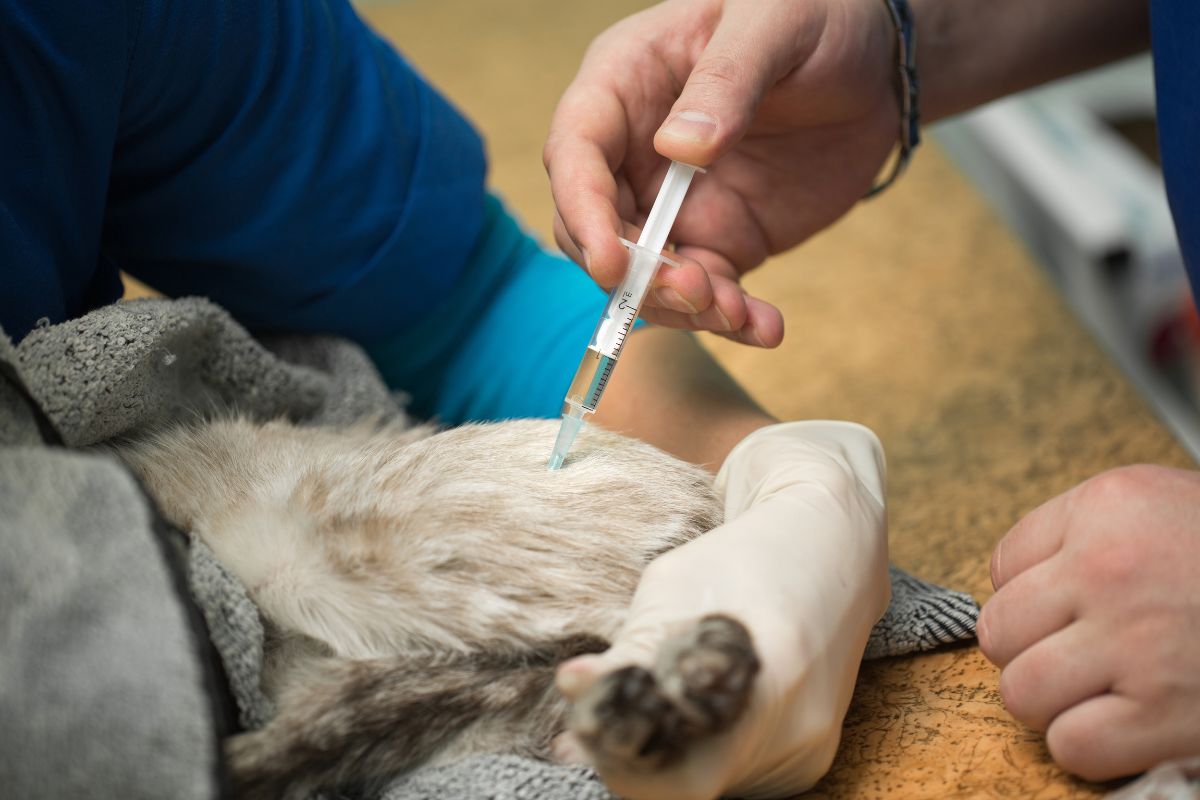
A torn ACL (anterior cruciate ligament) is one of the most common orthopedic injuries in dogs, especially in active breeds or aging pets. Officially called the cranial cruciate ligament (CCL) in dogs, this ligament stabilizes the knee joint. When it tears or ruptures, it causes pain, inflammation, and lameness that can seriously affect your dog’s mobility and quality of life.
If your dog has been diagnosed with a torn ACL, you might be wondering about at-home treatments to ease their discomfort, and you may have heard that heating pads can help. But is a heating pad good for a dog’s torn ACL? Let’s take a closer look.
Understanding the Injury
First, it’s important to know what happens when a dog tears their ACL. This ligament connects the femur (thigh bone) to the tibia (shin bone) and helps keep the knee stable when your dog walks, runs, or jumps. When it tears, the knee joint becomes unstable, which causes pain, swelling, and inflammation.
Treatment often involves surgery — such as TPLO (Tibial Plateau Leveling Osteotomy) or lateral suture repair — especially for large or active dogs. However, conservative management with rest, physical therapy, weight management, and pain relief is sometimes recommended for smaller dogs or those who are not good surgical candidates.
Can a Heating Pad Help?
Heat therapy is commonly used for sore muscles and chronic pain in both humans and pets. A heating pad can help relax tight muscles and improve blood circulation to the area, which may ease stiffness and discomfort.
However, timing is key. Right after an injury, heat is usually not recommended. For the first 48 to 72 hours after your dog tears their ACL, the knee is inflamed and swollen. Applying heat during this period can worsen swelling and make the pain worse.
During the initial phase, cold therapy (ice packs) is better. Cold helps reduce swelling and numbs the area, easing pain. You can apply a cold pack wrapped in a cloth to your dog’s knee for about 10–15 minutes at a time, several times a day, especially during the first few days.
Once the initial inflammation has gone down — usually after three days — you can switch to heat therapy if your vet approves. A heating pad set on low or warm (never hot) can be gently applied for 10–15 minutes to help soothe tight muscles around the knee.
Safety Tips for Using a Heating Pad
If you decide to use a heating pad on your dog, always follow these precautions:
- Never place it directly on the skin. Wrap the heating pad in a towel or blanket to prevent burns.
- Use low heat only. Dogs’ skin can burn easily, so avoid high heat settings.
- Stay with your dog. Never leave your pet unattended while using a heating pad.
- Check the area frequently. If the skin looks red or feels too warm, stop immediately.
- Limit the time. 10–15 minutes is usually enough — overdoing it can cause burns or irritation.
Other At-Home Care for a Torn ACL
A heating pad can provide mild relief for muscle tightness, but it won’t heal a torn ACL. Here are other things you can do to help your dog recover:
- Strict Rest: Limit your dog’s activity. Avoid running, jumping, or rough play. Use a leash for bathroom breaks.
- Weight Management: Extra weight adds stress to the knee. Keep your dog at a healthy weight to reduce strain on the injured ligament.
- Pain Medication: Your vet may prescribe anti-inflammatory medications or pain relievers. Never give your dog human pain meds without veterinary approval.
- Physical Therapy: Gentle exercises, under the guidance of your vet or a canine rehab specialist, can help strengthen the muscles supporting the knee. Hydrotherapy (underwater treadmill) is often helpful, too.
- Braces or Supports: Some dogs benefit from wearing a knee brace for added support. Talk to your vet to see if this is appropriate for your dog.
When to See a Vet
A torn ACL is a significant injury and usually requires professional treatment. If your dog is limping, unwilling to bear weight on a leg, or shows signs of knee pain, see your vet promptly. Delaying treatment can make the injury worse and may lead to arthritis in the affected joint.
A heating pad can be a helpful tool for soothing muscle soreness around a torn ACL, but only after the initial swelling has subsided and only when used safely. It’s not a cure, but it can be part of a larger care plan that includes rest, medication, and possibly professional surgery or physical therapy.
Always talk to your vet before starting any home treatments. With the right care and attention, your dog can feel more comfortable and get back to living their best life as soon as possible.