Pet Portal


Why Regular Pet Wellness Exams Are Essential for Lifelong Health
As pet parents, we all want our furry companions to live long, happy, and healthy lives. However, many owners only take their pets to the veterinarian when something appears to be wrong. In reality, one of the most powerful tools in ensuring your pet’s lifelong well-being is regular wellness exams.
These routine checkups go far beyond vaccinations. They are proactive appointments designed to detect and prevent issues before they become serious. In this post, we’ll explore why regular pet wellness exams are essential, what they involve, and how they contribute to your pet’s overall health.
What Is a Pet Wellness Exam?
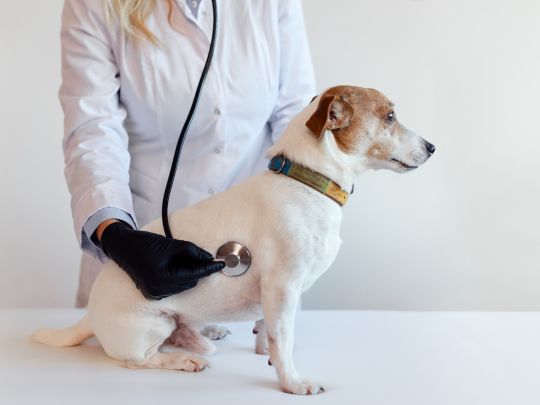
A pet wellness exam is a comprehensive health check performed by a veterinarian. It typically includes a physical examination, health screening tests, and discussions about your pet’s behavior, nutrition, and lifestyle.
These exams are usually recommended once a year for healthy adult pets and more frequently for seniors, puppies, and kittens.
Preventative Care Saves Lives
First and foremost, prevention is better than cure. Regular wellness exams allow your veterinarian to detect potential health concerns early. Whether it’s dental disease, obesity, or internal issues like kidney or liver problems, catching these issues in their early stages often leads to more effective and affordable treatment options.
For example, detecting heart disease during an annual wellness exam gives your vet the chance to start treatment before symptoms become severe. In many cases, early diagnosis can significantly extend your pet’s lifespan.
Baseline Health Tracking
Another benefit of routine exams is the ability to track your pet’s baseline health over time. Vets use these visits to record data such as:
- Weight
- Heart rate
- Dental condition
- Coat and skin quality
- Bloodwork and urinalysis
By having a consistent record, your vet can easily spot subtle changes that may signal emerging health problems. This is especially important for chronic conditions that develop gradually.
Nutritional Guidance and Weight Management
Nutrition plays a critical role in your pet’s health. During wellness exams, your vet can evaluate your pet’s diet and make recommendations tailored to their specific breed, age, activity level, and medical needs.
Moreover, obesity is one of the most common yet preventable health issues in pets. Even a few extra pounds can lead to joint pain, diabetes, and decreased life expectancy. A regular check-in ensures that your pet maintains a healthy weight year after year.
Dental Health Often Gets Overlooked
Many pet owners underestimate the importance of dental care. However, dental disease is incredibly common, affecting up to 80% of dogs and cats over age three.
Wellness exams give your vet the opportunity to examine your pet’s teeth and gums, recommend cleanings, and spot early signs of decay or infection. Left untreated, dental disease can lead to pain, tooth loss, and even damage to internal organs.
Keeping Vaccines and Parasite Control Up to Date
Your vet will also review your pet’s vaccination schedule during a wellness exam. Vaccines protect your pet against serious diseases like rabies, distemper, and parvovirus.
Additionally, flea, tick, and heartworm prevention should be year-round. Regular exams ensure your pet is protected with the most effective and safest treatments available.
Behavior and Lifestyle Assessments
Changes in behavior—such as increased aggression, anxiety, or lethargy—can often signal underlying medical issues. Your veterinarian can help differentiate between behavioral and medical causes, recommending treatment plans or referrals to specialists if needed.
They can also advise on enrichment, exercise routines, and training techniques to keep your pet both mentally and physically stimulated.
Regular Exams Are Cost-Effective
While some pet owners may worry about the cost of regular exams, the truth is that preventive care is far more affordable than treating advanced disease. Catching a health issue early often means fewer medications, less invasive procedures, and better outcomes.
Plus, many veterinary clinics offer wellness plans that bundle services like exams, vaccines, and screenings at a discounted rate.
In conclusion, regular pet wellness exams are a cornerstone of responsible pet ownership. They empower you to catch problems early, maintain good health, and adapt care as your pet ages. Whether you have a playful puppy or a wise senior dog, these routine visits provide the foundation for a long and joyful life.
If you’re looking for pet wellness exams in Tuckahoe, NY, trust the compassionate team at Tuckahoe Animal Hospital & Pet Center. Our focus on preventive care, personalized treatment plans, and lifelong wellness makes us a reliable partner in your pet’s health journey. Your pet deserves nothing less.
FAQs
Q1. How often should my pet have a wellness exam?
Ans. Most adult pets should have a wellness exam once a year, but senior pets or those with medical conditions may need more frequent visits.
Q2. What’s included in a pet wellness exam?
Ans. A wellness exam typically includes a physical exam, blood tests, urinalysis, parasite checks, vaccinations, and a discussion about diet, behavior, and overall health.
Q3. Are wellness exams necessary if my pet seems healthy?
Ans. Yes. Even if your pet appears healthy, many conditions show no visible symptoms until they’re advanced. Wellness exams help catch issues early.
Q4. What’s the difference between a wellness exam and a sick visit?
Ans. A wellness exam is preventive and scheduled, while a sick visit is reactive—meant to address an existing issue or sudden illness.
Q5. Do indoor pets need wellness exams?
Ans. Absolutely. Indoor pets still need vaccines, parasite prevention, dental care, and regular checkups to monitor for hidden health issues.
Q6. How do I prepare for my pet’s wellness exam?
Ans. Bring a list of questions, your pet’s medical records, and information about their diet, behavior, and lifestyle. This helps your vet provide the most accurate care.