
Pet Portal


What Is the 3-3-3 Rule for Kittens?
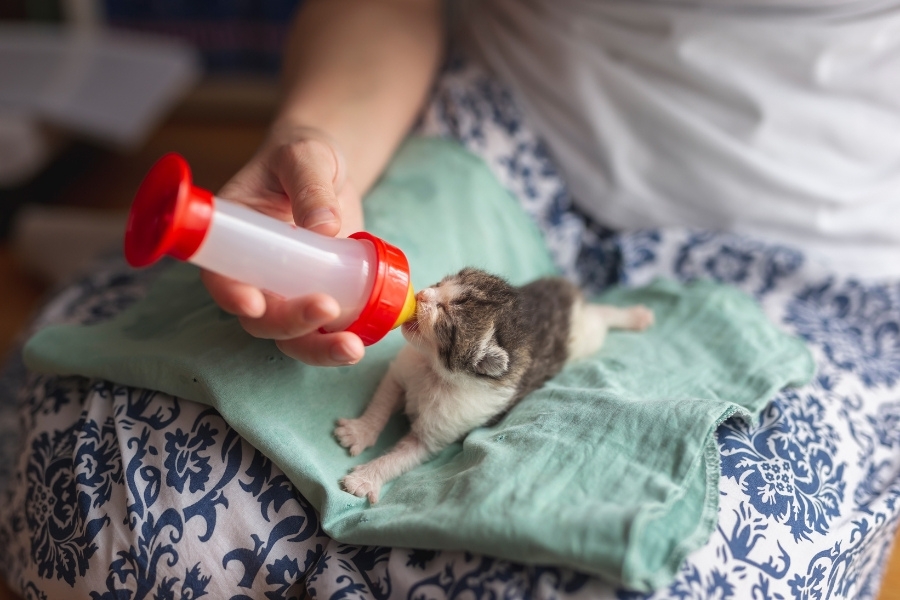
Adopting a kitten is an exciting experience, but it also comes with responsibilities and challenges. One of the most important things to understand as a new kitten owner is how to help your kitten adjust to their new home. The 3-3-3 rule for kittens is a helpful guide that can ease your understanding of the transition process. This rule helps you track your kitten’s emotional and behavioral changes during the first three days, three weeks, and three months in their new environment.
In this blog, we’ll break down the 3-3-3 rule, explain what it means, and share tips on how to provide the best care for your new furry friend during this important adjustment period. Understanding these stages can help you ensure that your kitten feels safe, secure, and loved as they begin their new life with you.
What Is the 3-3-3 Rule?
The 3-3-3 rule refers to the three stages a kitten goes through as they adjust to their new home. The stages are as follows:
- 3 Days: The first three days of your kitten’s arrival represent the initial shock of a new environment. They are likely to be scared and overwhelmed.
- 3 Weeks: By the three-week mark, your kitten will begin to feel more comfortable and start adjusting to their new surroundings. This period involves them becoming more social and less fearful.
- 3 Months: After three months, your kitten will be fully adjusted and will have settled into their new routine, becoming more confident and secure in their new home.
The First Three Days: The Adjustment Period
The first three days after bringing your kitten home can be the most challenging. At this point, your kitten is still adjusting to the new environment, and they might be fearful, confused, or stressed. They’ve just been taken from everything they know, including their mother and littermates, and placed into a new home with unfamiliar scents, sounds, and people.
During this period, your kitten might hide, refuse to eat, or be very skittish. It’s important to give them the space and time they need to adjust. Here are a few tips to make the first three days easier:
- Create a Safe Space: Set up a quiet, secure space for your kitten, such as a small room with their bed, food, and water. This will help them feel less overwhelmed and allow them to explore at their own pace.
- Be Patient: Don’t rush your kitten into interacting with you. Allow them to come to you when they feel comfortable. You can sit near them, speaking softly to help them get used to your presence.
- Keep Routine Consistent: Try to keep feeding times, litter box habits, and any other routines consistent. This helps your kitten establish a sense of stability and security.
The First Three Weeks: Building Trust
By the time your kitten reaches the three-week mark, they will start to feel more comfortable in their new home. They are likely to explore more and begin to trust you and their new environment. At this point, your kitten is becoming more social and curious, and you may start seeing them engaging with you more actively.
During this period, your kitten will also be more receptive to training and bonding. Here are some tips to help during the second phase of the 3-3-3 rule:
- Encourage Socialization: Begin interacting with your kitten more frequently. Offer them toys, engage in gentle play, and spend time petting them. Your kitten is likely to begin purring and may even jump into your lap, signaling that they’re becoming more comfortable.
- Provide Stimulation: At this stage, kittens are developing quickly, and they need stimulation to grow. Provide plenty of toys, scratching posts, and climbing structures to keep them entertained. Interactive play is important for developing coordination and social skills.
- Monitor Their Health: Make sure your kitten is eating, drinking, and using the litter box regularly. If you notice any signs of illness or distress, such as vomiting or diarrhea, consult a veterinarian to ensure your kitten’s health is on track.
The First Three Months: Settling In
After three months, your kitten will have made the full transition into their new home. By this stage, they will have developed more independence, confidence, and comfort in their surroundings. Your kitten will begin to exhibit behaviors that indicate they feel safe, secure, and well-adjusted.
During this period, your kitten will also start to show their unique personality. Some kittens may be more playful, while others may enjoy cuddling. You will also start to see their behaviors become more predictable. Here’s how to support your kitten during their final stage of adjustment:
- Bonding and Training: Continue to bond with your kitten through playtime and cuddles. This is also the perfect time to start basic training, such as litter box training and teaching them to come when called.
- Visit the Veterinarian: Schedule a vet check-up if you haven’t already. The first few months of your kitten’s life are important for vaccinations, flea and tick prevention, and overall health monitoring.
- Provide a Safe Outdoor Space (Optional): If you plan to let your kitten explore outdoors, wait until they are at least three months old and have received their vaccinations. Consider setting up a secure outdoor space or harness training for their safety.
How to Apply the 3-3-3 Rule to Kitten Care
Understanding the 3-3-3 rule helps guide you in providing the best care for your kitten during their adjustment period. Here are some additional kitten care tips for each stage:
- 3 Days: Keep your kitten’s environment calm and quiet, and provide lots of space for them to acclimate. Avoid loud noises and keep other pets away during the first few days.
- 3 Weeks: Start creating a routine with regular playtime, feeding, and litter box habits. Use positive reinforcement to encourage good behavior and gently introduce your kitten to new experiences.
- 3 Months: Continue bonding with your kitten, but also give them some independence. Socialize them with other pets and people, and ensure they have plenty of stimulation to keep them happy and healthy.
The 3-3-3 rule provides a helpful framework for understanding how your kitten will adjust to their new home. It’s important to remember that each kitten is different, and they may adapt at their own pace. Be patient, consistent, and loving as your kitten transitions through these stages. With proper care and attention, your kitten will grow into a happy, healthy cat.
If you are in Tuckahoe, NY, and looking for professional kitten care, don’t hesitate to reach out to local veterinarians who specialize in kitten health. Their expertise can help guide you through the early stages of your kitten’s development, ensuring they get the best start in life.
FAQs
Q1. How long does it take for a kitten to adjust to a new home?
Ans. It typically takes around three months for a kitten to fully adjust to a new environment, but this can vary depending on the kitten’s personality and previous experiences.
Q2. Should I force my kitten to interact with me during the first few days?
Ans. No, it’s best to give your kitten time and space to adjust. Let them come to you when they feel comfortable and try not to overwhelm them.
Q3. How can I help my kitten feel comfortable in their new home?
Ans. Create a quiet and safe space for your kitten to explore at their own pace. Gradually introduce them to new people and environments as they become more confident.
Q4. What kind of toys should I get for my kitten?
Ans. Interactive toys, such as feather wands and laser pointers, are great for keeping your kitten engaged. Scratching posts and soft toys are also essential for their development.
Q5. Can I start training my kitten at three weeks old?
Ans. Yes, kittens can begin learning basic behaviors like using the litter box and playing with toys at around three weeks of age. However, don’t expect them to be fully trained until they are older.
Q6. When should I take my kitten to the vet for vaccinations?
Ans. It’s important to schedule your kitten’s first vet visit as soon as possible after adoption, ideally when they are around 8 weeks old. Regular check-ups are essential for their health during the first few months.