
Pet Portal


How to Help Your Cat Recover from Surgery: Essential Tips for a Smooth Healing Process
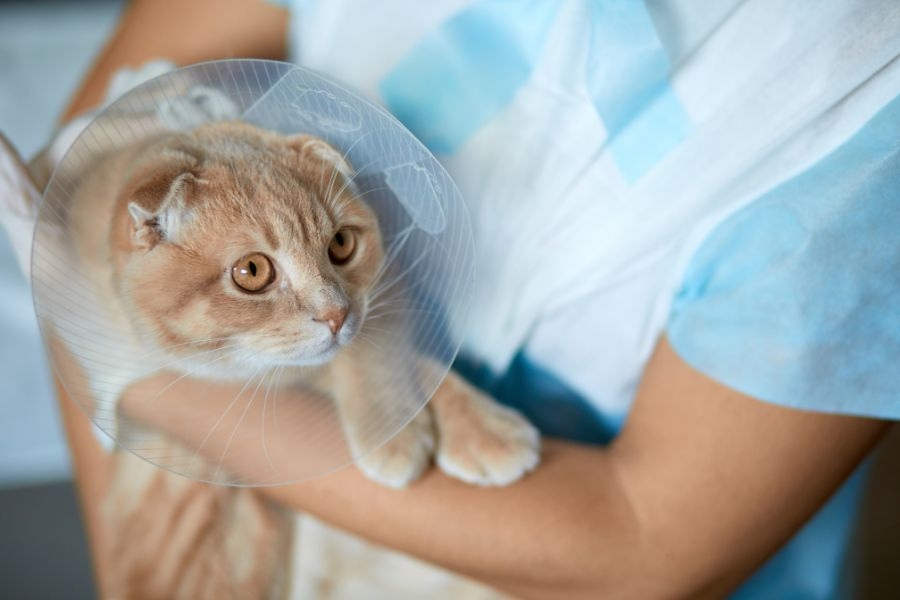
As a responsible pet owner, it’s crucial to understand how to properly care for your cat after surgery. Whether your cat has undergone a routine spay or neuter procedure or a more complex surgery, providing proper post-surgery care is essential for their recovery. Cats are resilient creatures, but they need your help to heal safely and comfortably.
In this blog post, we will walk you through the necessary steps to help your cat recover from surgery, ensuring they heal as quickly and comfortably as possible. From providing a quiet, safe space to monitoring their health and pain levels, here are the essential tips to follow after your cat’s surgery.
1. Follow Your Vet’s Instructions Carefully
First and foremost, always follow your veterinarian’s post-surgery instructions carefully. Your vet will give you a detailed guide on how to care for your cat, including medication dosages, feeding guidelines, and any restrictions on movement or activity. Failing to follow these instructions could lead to complications in your cat’s recovery.
If you have any doubts or questions, don’t hesitate to contact your vet. It’s important to be fully informed so you can provide the best care possible.
2. Create a Quiet, Comfortable Recovery Area
After surgery, your cat will need a quiet, comfortable space to rest and recover. This area should be free from distractions, loud noises, and other pets. Place your cat’s bed in a warm, soft area where they can relax undisturbed. A quiet room away from the hustle and bustle of your home will help reduce stress and promote faster healing.
Make sure your cat’s recovery space is easy for them to access and is equipped with everything they need, including water, food, and a litter box. If your cat is on pain medications, be sure to administer them as instructed, keeping a close eye on any signs of side effects.
3. Monitor Your Cat’s Pain Levels and Behavior
It’s natural for your cat to experience some pain after surgery, but it’s important to monitor their pain levels closely. Cats are notorious for hiding pain, so it’s essential to watch for subtle signs that they may be uncomfortable. These signs include:
- Decreased appetite
- Excessive grooming (especially at the surgical site)
- Lethargy or reluctance to move
- Changes in behavior, such as increased irritability or hiding
- Whining or crying
If you notice any of these signs, contact your vet right away to discuss potential adjustments to your cat’s pain management plan. In some cases, additional pain relief or a change in medication may be necessary.
4. Prevent Your Cat from Licking or Biting the Surgical Site
One of the most important aspects of your cat’s recovery is preventing them from licking or biting the surgical site. Licking can introduce bacteria and increase the risk of infection, while excessive movement or scratching can cause the incision to open or become irritated.
To prevent this, consider using an Elizabethan collar (also known as a “cone”) to stop your cat from reaching the surgical area. While this may be uncomfortable for your cat initially, it is an essential tool to protect the surgical site and allow the wound to heal properly.
Additionally, if your cat is wearing a collar, make sure it’s fitted properly and doesn’t cause further discomfort. Some pets may need time to adjust to wearing the cone, but it’s a small inconvenience compared to the risk of an infection or delayed healing.
5. Limit Your Cat’s Activity
Restricting your cat’s activity is crucial to ensuring a smooth recovery. After surgery, your cat will likely be groggy and disoriented, and they may be tempted to run, jump, or play. However, this can put strain on their healing incision, leading to complications or even the need for additional medical treatment.
Keep your cat in a confined space, such as a small room or crate, where they cannot jump or climb. You should also prevent them from engaging in rough play or running around for at least 10-14 days, or as advised by your veterinarian. Once your vet gives you the green light, you can gradually reintroduce normal activity, but it’s important to take things slow.
6. Watch for Signs of Infection or Complications
Infections or complications can sometimes occur after surgery, so it’s essential to monitor your cat’s surgical site regularly. Check for signs of infection, such as:
- Redness or swelling around the incision
- Discharge (especially pus) coming from the wound
- A bad odor from the surgical site
- Fever or changes in your cat’s temperature
- Increased pain or sensitivity around the wound
If you notice any of these signs, contact your vet immediately. Prompt treatment can help prevent more severe complications and ensure your cat’s recovery is as smooth as possible.
7. Maintain a Healthy Diet During Recovery
A healthy diet is essential for your cat’s recovery. During the first few days post-surgery, your cat may not feel like eating much, but it’s important to monitor their food and water intake. If your cat refuses food, try offering them wet food, as it’s easier to consume and can help with hydration. If your cat continues to refuse food for more than a day, contact your veterinarian for guidance.
In some cases, your vet may recommend a special diet to aid in the healing process. These diets are often higher in protein and include nutrients that support tissue repair and recovery.
8. Gradual Return to Normal Routine
As your cat starts to heal and regain their strength, you can slowly reintroduce normal activities. However, it’s important to follow your vet’s recommendations regarding when to resume regular routines, such as exercise, play, and grooming. Rushing the recovery process can lead to setbacks or injuries, so take it slow and monitor your cat’s behavior carefully.
Recovering from surgery can be a challenging time for your cat, but with the right care and attention, they can heal comfortably and quickly. By following your veterinarian’s instructions, providing a quiet recovery space, and monitoring their progress, you can help ensure a smooth healing process. If you need expert advice or assistance with pet surgery in Tuckahoe, NY, reach out to your local veterinary clinic for the support your cat needs during recovery.
FAQs
Q1. How long does it take for a cat to recover from surgery?
Ans. The recovery time varies depending on the type of surgery, but most cats take about 10-14 days to heal fully. For more extensive procedures, recovery may take longer.
Q2. Can I give my cat human pain medication after surgery?
Ans. No, you should never give your cat human pain medication, as it can be toxic to them. Always follow your vet’s instructions and use the prescribed medication for pain management.
Q3. How can I prevent my cat from licking the surgical site?
Ans. Using an Elizabethan collar (cone) is the most effective way to prevent your cat from licking or biting the surgical site. Be sure to fit it properly for your cat’s comfort.
Q4. Should I let my cat sleep in my bed after surgery?
Ans. It’s best to keep your cat in a quiet, confined space to prevent them from jumping or moving too much. This will help avoid stress and give them time to rest.
Q5. What should I do if my cat refuses to eat after surgery?
Ans. If your cat refuses to eat for more than 24 hours, contact your vet. You may be able to entice them with wet food or other palatable options, but it’s important to address any concerns promptly.
Q6. When can I resume playtime with my cat after surgery?
Ans. It’s important to limit activity during the recovery period. Follow your vet’s advice regarding when to allow playtime, usually after 10-14 days, depending on the surgery type.