
Pet Portal


How to Keep Pets Calm During Christmas Celebrations
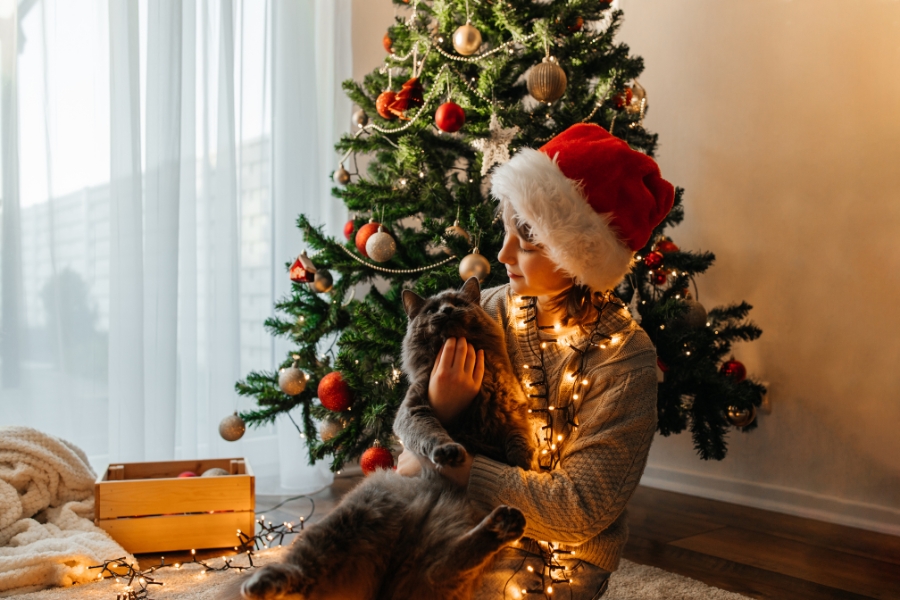
The holiday season brings joy, laughter, and a flurry of activity. However, Christmas celebrations can also create stress for pets. Between visiting guests, loud music, unfamiliar smells, and new decorations, animals may feel overwhelmed. Fortunately, with the right preparation and techniques, you can help your pets stay calm and comfortable throughout the festivities.
In this guide, we will walk you through practical steps to reduce anxiety in dogs and cats during Christmas. As you read on, you will learn proactive tips that promote emotional well‑being and maintain your pet’s routine. Let’s begin.
Understand Why the Holidays Affect Pets
First, it helps to recognize why Christmas celebrations can upset animals. Pets thrive on predictability. During the holidays, your home likely becomes busier and noisier than usual. In addition, unfamiliar guests may approach your pet, which can make them nervous if they are shy or sensitive. Furthermore, holiday sounds like carolers, fireworks, or loud laughter can trigger stress.
Because pets cannot communicate their stress verbally, they may display signs like pacing, hiding, trembling, or excessive barking. Therefore, it is essential to identify these behaviors early so you can respond accordingly.
Next, let’s explore specific strategies that help pets remain calm and enjoy the season with your family.
Maintain a Familiar Routine
Routine provides comfort. Even though the holidays can disrupt your schedule, try to stick to your pet’s regular feeding and walking times. Consequently, your pet will feel more secure because certain aspects of their day remain the same.
For instance, if you normally take your dog for a walk at 7 a.m., keep that schedule. Similarly, keep your cat’s mealtimes consistent. Although celebrations may make time seem fluid, a predictable routine will reassure your pet.
Create a Quiet Safe Space
Pets often seek refuge in quiet places when they feel overwhelmed. Before holiday guests arrive, designate a calm area where your pet can retreat. To do this, choose a room or corner that is away from the main gathering and decorated area.
In that space, include your pet’s bed, favorite toys, and a blanket that smells familiar. As a result, your pet will have a comforting retreat when noise or activity gets too intense.
Introduce Decorations Gradually
Hectic decorating can upset pets, especially when lights, ribbons, and unfamiliar objects suddenly appear. Therefore, introduce holiday decorations gradually rather than all at once.
Moreover, make certain items are safe and inaccessible to pets. For example:
- Tinsel and ribbon may look fun, but they can be dangerous if ingested.
- Ensure that electrical cords for lights are secured and out of reach.
- Keep fragile ornaments out of the way to prevent breakage and injury.
By decorating with awareness, you maintain a festive environment while minimizing risks to your pet.
Provide Distraction Through Engagement
Pets benefit from mental stimulation, particularly when activity levels rise at home. Therefore, engage your pet with toys and brain games that can distract them from the holiday commotion.
For dogs, try puzzle toys filled with treats or chews. These items keep their minds focused and provide a calming outlet for nervous energy. For cats, rotating interactive toys or hide‑and‑seek treat games helps channel stress into play.
In addition, consistent playtime strengthens the bond between you and your pet, which can build confidence and reduce anxiety.
Use Calming Aids When Needed
Some pets may require additional support to stay relaxed. Fortunately, you have several options:
- Calming sprays or pheromone diffusers: These products mimic natural scents that help pets feel at ease.
- Soft background music: Gentle, classical, or pet‑friendly playlists can reduce stress.
- Comfort wraps or clothing: Certain pets respond well to snug wraps that mimic the sensation of being held.
Always choose pet‑safe products and follow directions carefully. If you are uncertain whether a calming aid is right for your pet, consult your veterinarian beforehand.
Introduce Guests Slowly and Calmly
Guests are a central part of holiday celebrations, but for some pets, the sudden arrival of strangers can be stressful. To help your pet adjust:
- Ask guests to approach slowly and quietly. Loud chatter or abrupt movements can startle pets.
- Let your pet initiate contact. Encourage guests to allow the pet to come to them rather than forcing interactions.
- Offer treats and praise. Guests can help reinforce positive experiences by offering treats if the pet seems comfortable.
Above all, respect your pet’s boundaries. If they prefer to stay in their safe space, don’t insist on interaction.
Monitor Signs of Stress
Understanding common signs of stress in pets helps you address issues early. Watch for behaviors such as:
- Panting or heavy breathing when not hot
- Excessive drooling
- Pacing or restlessness
- Trembling or shaking
- Hiding or trying to escape
- Excessive grooming
If you notice these signs, remove your pet from the stressful environment and guide them to their quiet area. Offering reassurance with calm, gentle words can also help your pet regain composure.
Keep Holiday Treats Pet‑Safe
Sweets and holiday foods are abundant during Christmas, but many human foods are unsafe for pets. For example:
- Chocolate, raisins, and grapes are toxic to dogs and cats.
- Onions, garlic, and certain spices can cause digestive issues.
- Alcohol and sugary drinks can severely harm your pet.
Thus, educate your guests to avoid feeding human food to your pet. Instead, offer pet‑safe treats that are appropriate for your animal’s diet.
Christmas should be a joyful time for the whole family—including your pets. By maintaining routines, providing safe spaces, engaging your pets with toys and activities, and monitoring their behavior, you create a calmer, more comfortable holiday environment. Furthermore, by anticipating stress triggers and responding proactively, you help your pets enjoy the celebrations without anxiety.
If you have concerns about your pet’s stress levels or need personalized guidance, please contact our veterinary hospital for professional support tailored to your animal’s needs.
Frequently Asked Questions
Q1. Why do pets get anxious during holiday celebrations?
Ans. Pets thrive on consistency. The increased noise, activity, and changes in routine during holidays can make them feel uncertain or stressed.
Q2. What signs indicate my pet is stressed during Christmas festivities?
Ans. Common signs include pacing, trembling, hiding, excessive vocalization, and changes in appetite or behavior.
Q3. Can Christmas decorations harm my pet?
Ans. Yes, certain decorations like tinsel, small ornaments, and electrical cords can be hazardous if pets chew or ingest them. Always pet‑proof your decorations.
Q4. How can I help my pet feel safe when guests arrive?
Ans. Introduce guests slowly, allow your pet to approach on their own, and create a quiet, comfortable space where they can retreat if needed.
Q5. Are there calming products that help anxious pets?
Ans. Yes, options like pheromone diffusers, calming sprays, and soft background music can reduce anxiety. Always choose pet‑safe products and follow guidelines.
Q6. Should I change my pet’s routine for holiday events?
Ans. No. Keeping feeding, walking, and resting times consistent helps reduce stress. Adjustments should be minimal and predictable.