
Pet Portal


When Diagnostic Testing Is Necessary for Your Pet’s Health
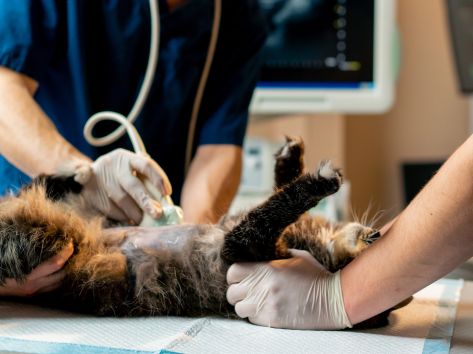
Pets cannot tell us when something feels wrong. Instead, they rely on subtle signs such as changes in behavior, appetite, or energy levels. While some symptoms may seem minor at first, they can often signal underlying health concerns. This is where diagnostic testing plays a critical role in modern veterinary care.
Diagnostic tests help veterinarians identify health issues early, confirm a diagnosis, and create an effective treatment plan. Knowing when these tests are necessary can make a significant difference in your pet’s long-term health and quality of life.
What Is Diagnostic Testing in Veterinary Medicine?
Diagnostic testing refers to medical tests that help veterinarians understand what is happening inside your pet’s body. These tests provide objective data that cannot be detected through physical exams alone.
Common diagnostic tools include blood tests, urinalysis, fecal exams, X-rays, ultrasounds, and advanced imaging. Together, they allow veterinarians to evaluate organ function, detect infections, identify injuries, and monitor chronic conditions.
Because pets age faster than humans, diagnostic testing becomes even more important as they grow older.
Why Diagnostic Testing Is So Important
Although physical exams are essential, they do not always reveal hidden problems. Diagnostic testing fills that gap.
First, these tests help detect illnesses early. Many conditions, such as kidney disease or diabetes, develop silently. However, early detection allows for timely treatment, which often leads to better outcomes.
Second, diagnostic tests help confirm a suspected condition. Symptoms like vomiting or lethargy can point to multiple issues. Therefore, testing ensures accurate diagnosis instead of guesswork.
Finally, diagnostic results guide treatment decisions. With clear data, veterinarians can choose the safest and most effective care plan for your pet.
Signs That Diagnostic Testing May Be Needed
Pets often show subtle warning signs when something is wrong. Recognizing these changes early can prevent serious complications.
Common signs include:
- Sudden weight loss or weight gain
- Persistent vomiting or diarrhea
- Increased thirst or urination
- Lethargy or weakness
- Loss of appetite
- Difficulty breathing or coughing
- Changes in behavior or mobility
While one symptom alone may not be alarming, ongoing or worsening signs usually require further investigation.
Diagnostic Testing During Routine Wellness Visits
Even healthy-looking pets benefit from diagnostic testing. Routine screenings help establish baseline values for comparison later in life.
For example, annual blood work can reveal early organ changes before symptoms appear. As a result, veterinarians can intervene sooner and slow disease progression.
Additionally, routine testing helps track your pet’s health over time. This approach is especially valuable for senior pets, who face a higher risk of age-related conditions.
When Pets Experience Sudden Illness or Injury
Unexpected illness or injury often requires immediate diagnostic testing. In these situations, time is critical.
For instance, if a pet suddenly stops eating or shows signs of pain, diagnostic tests help determine the cause quickly. X-rays may reveal fractures, while blood tests can detect infections or internal issues.
By identifying the problem promptly, veterinarians can begin treatment sooner. Consequently, pets experience faster recovery and less discomfort.
Diagnostic Testing for Chronic Conditions
Chronic conditions such as arthritis, heart disease, or thyroid disorders require ongoing monitoring. Diagnostic testing plays a key role in managing these conditions effectively.
Regular tests allow veterinarians to assess how well treatments are working. If results change, the care plan can be adjusted accordingly.
Moreover, ongoing monitoring helps prevent complications. By staying proactive, pet owners can help their pets maintain a better quality of life.
Diagnostic Testing Before Surgery or Anesthesia
Before any surgical procedure, veterinarians recommend diagnostic testing to ensure safety. These tests evaluate organ function and overall health.
Blood tests, for example, help identify underlying issues that could increase anesthesia risks. With this information, veterinarians can tailor anesthesia protocols and reduce potential complications.
As a result, pets undergo surgery more safely and recover more smoothly.
Advanced Diagnostic Tools and Their Benefits
Modern veterinary medicine offers advanced diagnostic tools that improve accuracy and efficiency.
Ultrasound imaging provides detailed views of internal organs without invasive procedures. Meanwhile, digital X-rays deliver quick results with minimal stress for pets.
These technologies allow veterinarians to diagnose conditions earlier and more precisely. Therefore, pets receive targeted treatment faster.
How Diagnostic Testing Reduces Long-Term Costs
Although some pet owners worry about the cost of diagnostic testing, early detection often reduces long-term expenses.
Treating a condition in its early stages is typically less costly than managing advanced disease. Additionally, accurate diagnosis prevents unnecessary treatments, saving both time and money.
Ultimately, diagnostic testing represents an investment in your pet’s health and longevity.
Working Together With Your Veterinarian
Pet health care works best when pet owners and veterinarians collaborate. Asking questions, sharing observations, and understanding test results all contribute to better outcomes.
Veterinarians use diagnostic testing to provide clarity and confidence. With accurate information, they can guide pet owners through treatment decisions with transparency and care.
Diagnostic testing is essential for detecting hidden illnesses, confirming diagnoses, and guiding effective treatment plans. From routine wellness screenings to urgent care situations, these tests play a vital role in maintaining pet health. When it comes to comprehensive and reliable pet diagnostic care in Tuckahoe, NY, timely testing supports early intervention, safer treatments, and a healthier future for your pet.
FAQs
Q1. How often should my pet have diagnostic testing?
Ans. Most pets benefit from annual testing, while senior pets or those with chronic conditions may need more frequent monitoring.
Q2. Is diagnostic testing safe for pets?
Ans. Yes, veterinary diagnostic tests are safe and performed using pet-friendly techniques.
Q3. Does my pet need testing even if they seem healthy?
Ans. Yes, routine testing can detect early health issues before symptoms appear.
Q4. What happens if a test result is abnormal?
Ans. Your veterinarian will explain the findings and recommend the next steps or treatment options.
Q5. Can diagnostic testing replace a physical exam?
Ans. No, diagnostic testing complements physical exams by providing deeper insight into internal health.
Q6. How long does it take to get results?
Ans. Many tests provide same-day results, while others may take a few days depending on complexity.