
Pet Portal


What Is the 3-3-3 Rule for Dogs and How It Helps Their Adjustment
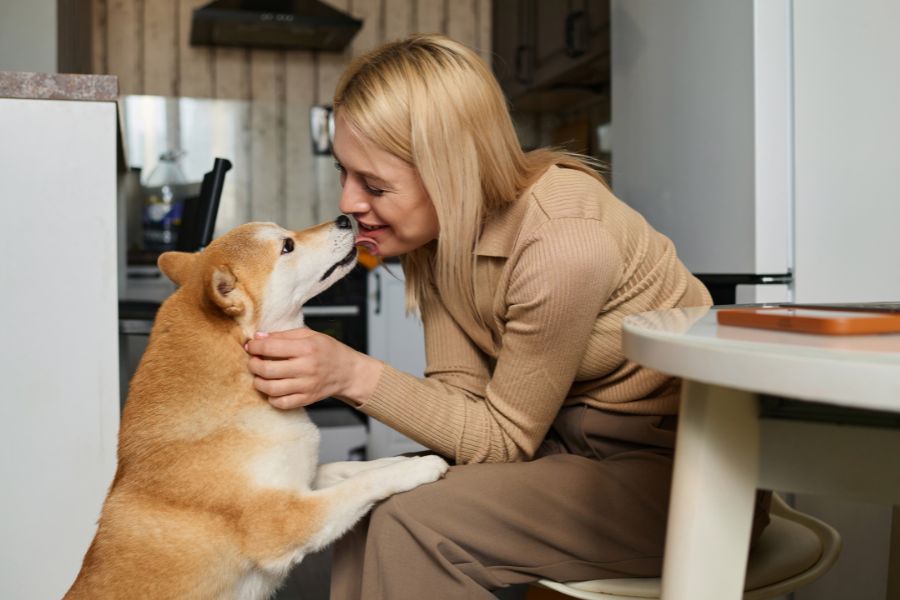
Bringing a new dog into your home, especially a rescue, can be both exciting and challenging. As adopters, one of the most common questions is: how long will it take for my dog to adjust, bond, and feel comfortable in its new environment? The 3-3-3 rule for dogs provides a simple and reliable framework to help you understand and navigate this adjustment period. Whether you’re adopting a rescue or bringing home a new puppy, knowing what to expect during the first few days, weeks, and months is crucial for both you and your dog. In this blog, we’ll break down what the 3-3-3 rule is, why it matters, and how it helps your dog feel secure and comfortable in their new home. This blog is especially for pet owners in Tuckahoe, NY, who want to ensure a smooth transition for their new dog.
What Is the 3-3-3 Rule for Dogs?
The 3-3-3 rule for dogs is a commonly used guideline that describes how dogs generally adjust during the first 3 days, 3 weeks, and 3 months in a new home. While every dog is unique and may adjust differently, this rule offers a framework to set realistic expectations and ensure that your dog’s transition is as stress-free as possible.
The breakdown of the 3-3-3 rule follows these general stages:
- First 3 Days: Decompression
- First 3 Weeks: Adjustment
- First 3 Months: Building Confidence
Breakdown of the 3-3-3 Rule
1. First 3 Days: Decompression
The first three days with your new dog are crucial, as they tend to be overwhelmed by their new environment. Whether your dog has come from a shelter, foster home, or other circumstances, this period is called decompression. During this time, your dog is adjusting to the new smells, sounds, and routines, which can be a lot to process.
Common behaviors during the first 3 days include:
- Excessive sleeping: Your dog is exhausted from the stress of the move.
- Pacing or hiding: They may feel insecure and try to find a quiet, safe space.
- Limited appetite: Your dog may not be interested in food due to stress.
- Testing boundaries: Your dog may try to see what is allowed and what isn’t.
- Avoiding interaction: They might be shy or hesitant to bond right away.
How It Helps:
Understanding that these behaviors are part of the adjustment process will help you avoid frustration and confusion. This is the time to give your dog space and allow them to settle in at their own pace. Avoid overwhelming them with too much attention or too many visitors. A quiet, calm environment will help them decompress and feel more secure in their new surroundings.
2. First 3 Weeks: Adjustment
After the initial decompression period, your dog will start to become more comfortable with their new home. This is when the adjustment phase begins, and your dog will begin to understand their new routine. They will start exploring, eating more regularly, and showing more interest in their new family members.
Signs your dog may exhibit during the first 3 weeks include:
- Improved appetite: Your dog is becoming more comfortable and willing to eat.
- Increased engagement: They may begin interacting with you and their new environment.
- Beginning to show personality: Your dog will start to reveal more of their true character.
- Learning house rules: They will begin to understand your household routines and boundaries.
- Trying basic commands: They may start responding to simple commands like “sit” or “stay.”
How It Helps:
By the third week, your dog will start feeling more secure in their environment. This is when you can begin introducing training and establishing clear rules. Consistency is key, as your dog will start testing boundaries to understand what is expected of them. Positive reinforcement and gentle corrections will help them learn.
3. First 3 Months: Building Confidence
By the time the first three months have passed, your dog will likely have settled into their new home and will have built more confidence in their surroundings. This phase is all about building trust and deepening the bond between you and your dog.
Signs your dog is building confidence by the 3-month mark:
- Stronger attachment to family: Your dog will start forming deeper emotional bonds.
- Better behavior and obedience: They will start following commands and adhering to rules more consistently.
- Confidence in the home: Your dog will be more relaxed and comfortable in their space.
- Stable routines: Your dog will have adapted to feeding times, potty schedules, and bedtime routines.
- Noticeable emotional progress: They will be more affectionate and less fearful.
How It Helps:
By this stage, your dog is feeling more secure and comfortable. This is when you can fully introduce more advanced training, socialization, and activities. You may notice your dog beginning to show more trust in you, including looking to you for reassurance or showing affection. This is also the perfect time to start enrolling your dog in obedience classes or socializing them with other dogs.
Why the 3-3-3 Rule Matters
The 3-3-3 rule offers a realistic framework for new dog owners, especially those adopting a rescue dog. Understanding this timeline helps you prepare for your dog’s emotional journey and can make a huge difference in their adjustment. Here’s why the 3-3-3 rule is essential:
- Helps You Understand Behavior Changes:
Knowing the stages of the 3-3-3 rule helps you interpret your dog’s behaviors more accurately. You’ll recognize that early nervousness or hesitation isn’t a sign of a problem but part of the adjustment process. - Improves Training Success:
By knowing when your dog is emotionally ready to learn, you can tailor your training sessions to ensure they’re more successful. Trying to train a dog that is still in the decompression phase can lead to frustration for both you and your dog. - Supports Emotional Safety:
Adopting the 3-3-3 rule prevents the premature return of dogs due to unrealistic expectations. It helps you remain patient and provide the support your dog needs during their adjustment period. - Strengthens the Human-Dog Bond:
Patience during the 3-3-3 rule fosters trust and strengthens the bond between you and your new dog. By understanding and respecting your dog’s emotional timeline, you build a lasting, loving relationship.
Tips to Help Your Dog Adjust Smoothly
While the 3-3-3 rule provides a good guideline, there are additional steps you can take to help your dog adjust smoothly:
- Create a Safe Space:
Provide your dog with a quiet area, like a crate or cozy corner, where they can feel safe and relax. - Stick to a Schedule:
Dogs thrive on routine. Consistent feeding, potty times, and walks will help your dog feel more secure. - Use Positive Reinforcement:
Reward calm behavior and good progress with treats and praise. This encourages your dog to repeat these positive behaviors. - Introduce New Stimuli Slowly:
Gradually expose your dog to new people, places, and sounds to avoid overwhelming them. - Keep Expectations Realistic:
Your dog is adjusting to a brand-new life, so small steps matter. Patience and consistency are key.
Common Challenges During the 3-3-3 Timeline
Every dog adjusts at their own pace, and some may face additional challenges during the adjustment process. Here are some common difficulties and how to handle them:
- Anxiety or Fearfulness:
Some dogs experience anxiety due to new environments, unfamiliar smells, or traumatic pasts. Provide a calm, predictable environment to help ease these fears. - House-Training Regression:
Rescue dogs may need a refresher on house-training rules. Frequent bathroom breaks and positive reinforcement will help reinforce good behavior. - Leash Pulling or Reactivity:
Many rescue dogs have not been trained on proper leash manners. Consistent training and patience will improve their leash behavior. - Resource Guarding:
Some dogs may guard food, toys, or space. Work with a professional trainer to address this issue with positive reinforcement.
Conclusion
The 3-3-3 rule for dogs is an essential framework for understanding how your new dog will adjust to their new home. By following this guideline, you can set realistic expectations and provide the support your dog needs during their transition. If you’re in Tuckahoe, NY, and looking for puppy care or guidance for your newly adopted dog, book an appointment with Tuckahoe Animal Hospital & Pet Center. Our veterinary team is here to support your dog’s adjustment process and ensure they receive the best care.
FAQs
Q1. How long does it take for a rescue dog to adjust to a new home?
Ans: It generally takes about 3 days to decompress, 3 weeks to adjust to routines, and 3 months to build confidence.
Q2. My new dog is not eating during the first few days; should I be concerned?
Ans: A lack of appetite during the decompression period is common. If your dog refuses to eat for more than 48 hours, consult your veterinarian.
Q3. Can puppies follow the 3-3-3 rule too?
Ans: Puppies may adjust faster, but they can still benefit from a structured timeline. Their adjustment may vary based on age and previous experiences.
Q4. How can I help my dog feel comfortable during the 3-3-3 rule?
Ans: Create a safe space, keep routines consistent, and use positive reinforcement to support their emotional transition.
Q5. What signs indicate my dog is settling into their new home?
Ans: Signs of adjustment include improved appetite, engagement with family, and following routines.
Q6. What should I do if my new dog shows signs of anxiety?
Ans: Provide a calm environment, use positive reinforcement, and consider speaking with a professional trainer for support.