Pet Portal


What Is the Best Food for Kittens? Veterinarian-Approved Nutrition Guide
Bringing a new kitten into your home is an exciting adventure. One of the most important aspects of welcoming your new furry friend is ensuring they receive the right nutrition. A well-balanced diet is crucial for their growth, development, and overall health. As kittens grow, their nutritional needs change, so providing the best food is essential to support their rapid development. In this guide, we’ll explore the key components of kitten nutrition and provide some tips on selecting the best food options for your kitten. This blog is especially for pet owners in Tuckahoe, NY, who want to ensure their kittens grow strong and healthy.
Why Kitten Nutrition Matters
Kittens have unique dietary needs compared to adult cats. Their bodies are growing quickly, meaning they need more calories, protein, fat, and essential nutrients to support their development. This is especially important during the first year of their life, as their immune system, bones, and organs are still developing.
Choosing the right food not only promotes healthy growth but also boosts their immune system, keeps them energetic and playful, and prevents common issues like obesity, allergies, and digestive problems. By feeding them the right food, you’re setting the foundation for a healthy and long life.
Key Nutrients for Kittens
When selecting food for your kitten, it’s important to understand the core nutrients they need. A high-quality kitten food should contain the following:
- Protein
Protein is essential for a kitten’s growth and development. As obligate carnivores, kittens need animal-based protein to support muscle development, tissue growth, and overall bodily functions. Look for kitten foods that contain at least 30% protein, with sources like chicken, turkey, or fish being the best options. - Fat
Fat provides essential energy for kittens, helps develop a healthy coat and skin, and supports the absorption of fat-soluble vitamins. A kitten’s diet should include healthy fats, such as omega-3 and omega-6 fatty acids, which are important for their brain development. Look for foods that have around 18-25% fat content. - Carbohydrates
Although cats don’t require carbohydrates in the same way humans do, a small amount of digestible carbohydrates can help support your kitten’s energy needs. Look for foods that include digestible carbohydrates such as rice, peas, or sweet potatoes. However, it’s essential to avoid feeding your kitten excessive carbohydrates, as this can lead to obesity and digestive issues. - Vitamins and Minerals
Essential vitamins and minerals like vitamin A, taurine, calcium, and phosphorus are crucial for your kitten’s health. Calcium and phosphorus are important for the development of strong bones and teeth, while taurine—an amino acid—supports heart health and vision. - Water
Water is vital for your kitten’s health, and while dry food is convenient, it doesn’t provide moisture. Kittens should always have access to fresh water, especially if they’re eating dry food. You may also want to consider wet food, which contains a higher moisture content and can help keep your kitten hydrated.
Best Food Options for Kittens
Choosing the best food for your kitten is essential for their growth and health. There are various types of food options to choose from, each offering different benefits. Below are some of the best food options for your kitten:
- Wet Food (Canned Food)
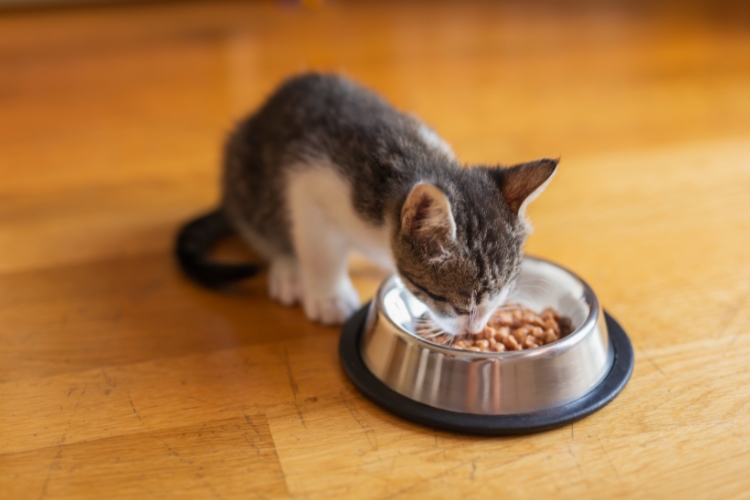
Wet food is a great option for kittens because it provides moisture, which helps keep them hydrated. It is often higher in protein and lower in carbohydrates, making it an excellent choice for growing kittens. Wet food is also easier to digest, which can be beneficial for young kittens with sensitive stomachs. Additionally, kittens often prefer the taste and texture of wet food. - Dry Food (Kibble)
Dry food is convenient because it can be left out for longer periods. It is ideal for busy pet owners. However, it’s important to ensure that the kibble you choose is specifically formulated for kittens. Kibble should be high in protein and contain easily digestible carbohydrates. It’s also a good option for helping with dental health by reducing plaque buildup. - Mixed Feeding
A combination of both wet and dry food offers the best of both worlds. Wet food provides hydration, while dry food can help with dental health. Offering both types of food can keep your kitten’s diet balanced and interesting, ensuring they receive a variety of textures and flavors. - Homemade Food
If you want to provide your kitten with fresh food, homemade meals can be an option. However, this requires careful planning and knowledge of feline nutrition. You should work with your veterinarian to ensure you’re creating a balanced homemade diet that meets all of your kitten’s nutritional needs.
Best Kitten Food Brands
Several brands offer high-quality, veterinarian-approved food for kittens. Some of the best options include:
- Royal Canin Kitten Formula: Known for its scientifically formulated recipes tailored to kittens’ specific needs.
- Hill’s Science Diet Kitten Food: Provides a balanced diet with high-quality ingredients to support growth and development.
- Wellness CORE Kitten Formula: A grain-free option with high protein content, ideal for kittens with sensitive stomachs.
- Blue Buffalo Healthy Growth Kitten Food: Offers natural ingredients with added vitamins and minerals for optimal kitten development.
When selecting food for your kitten, always choose brands that are specially formulated for kittens. Adult cat food does not meet the nutritional requirements of growing kittens and may cause health issues.
How to Feed Your Kitten
Kittens have small stomachs, so it’s important to feed them multiple small meals throughout the day. At around 8 weeks old, kittens should be fed four meals a day. By 6 months of age, you can reduce this to three meals per day. When your kitten reaches one year, you can transition to feeding them twice a day, just like adult cats.
xTuckahoe, NY, experiences seasonal changes that can affect your kitten’s health. During the warmer months, ensure your kitten stays hydrated, especially if they’re eating dry food. In colder weather, be sure to keep your kitten warm and active, as exercise is important for their health.
Feeding your kitten the right food is one of the most important things you can do to ensure they grow into a healthy, strong adult cat. By choosing the right food, offering proper nutrition, and maintaining a regular feeding schedule, you’re setting your kitten up for a lifetime of good health.
If you are in Tuckahoe, NY, and need guidance on the best food for kittens, book an appointment with Tuckahoe Animal Hospital & Pet Center. Our veterinary team is here to provide expert advice on kitten nutrition and ensure your kitten stays healthy and happy.
FAQs
Q1. How often should I feed my kitten?
Kittens should be fed 3-4 times a day until they are about 6 months old. After that, you can reduce to two meals per day.
Q2. Can I feed my kitten adult cat food?
No, kittens need food specifically formulated for their growth. Adult cat food does not meet the nutritional needs of growing kittens.
Q3. How much food should I give my kitten?
The amount of food depends on your kitten’s age, weight, and activity level. Follow the feeding guidelines on the food package or consult your veterinarian for advice.
Q4. Is it okay to give my kitten treats?
Yes, but treats should be given in moderation. Overfeeding treats can lead to obesity and digestive issues.
Q5. Can I switch my kitten’s food?
It’s okay to switch kitten food, but do so gradually over a few days to avoid upsetting their stomach.
Q6. Do I need to give my kitten supplements?
High-quality kitten food usually provides all the necessary nutrients. However, if your kitten has special dietary needs, consult your veterinarian for possible supplements.