Pet Portal


Caring for Your Senior Dog: A Guide to Their Golden Years
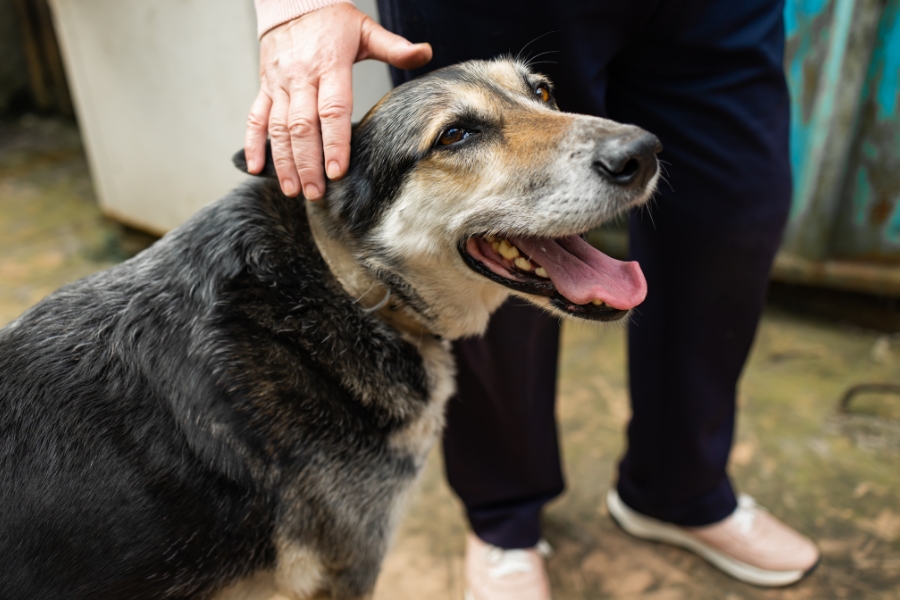
As dogs age, their needs change, and they may require extra attention to stay healthy and comfortable in their golden years. Caring for a senior dog requires a mix of understanding, patience, and the right approach to meet their evolving needs. This blog will guide you through the essential aspects of senior dog care, helping you ensure your furry friend enjoys their later years to the fullest. This guide is especially useful for residents in Tuckahoe, NY, who want to provide the best care for their senior dogs.
Understanding Senior Dog Care
A senior dog is typically considered to be 7 years or older, although some larger breeds may enter their senior years earlier. As your dog ages, they may experience health changes such as reduced mobility, dental issues, and decreased energy. Regular veterinary care, proper nutrition, and an adapted living environment are crucial for ensuring your dog remains healthy, comfortable, and happy.
In Tuckahoe, NY, where we experience varying seasons and weather conditions, it’s essential to take additional care of your senior dog, especially during the colder months when joint problems can worsen. Here, we’ll explore key strategies for caring for your senior dog during this important life stage.
1. Regular Veterinary Check-ups
Routine veterinary visits become even more important as your dog ages. Regular check-ups allow your veterinarian to monitor your senior dog’s health and detect early signs of any issues. A senior dog’s health requires special attention, and early detection can make a big difference in the treatment and management of conditions like arthritis, heart disease, and kidney issues.
How It Helps:
A veterinarian will conduct thorough health exams, run necessary tests, and evaluate your dog’s overall well-being. These check-ups often include blood tests, dental evaluations, and screenings for conditions common in senior dogs. Early diagnosis means timely treatment and a better chance for your dog to lead a happy, comfortable life.
2. Diet and Nutrition for Senior Dogs
As your dog ages, their metabolism slows down, and their dietary needs change. Senior dogs tend to require fewer calories than younger dogs, but they still need a nutrient-dense diet to support their health. Proper nutrition helps manage weight, maintain energy levels, and support healthy organs.
How It Helps:
A well-balanced diet designed for senior dogs helps manage their weight, which is crucial for preventing joint issues and heart disease. Senior dog food formulas often contain ingredients that support joint health (like glucosamine and chondroitin), promote a healthy coat, and maintain organ function. If your dog has specific health concerns, like kidney disease or diabetes, your veterinarian may recommend a specialized diet to meet those needs.
3. Joint Health and Mobility
Arthritis is a common issue for senior dogs, leading to discomfort, reduced mobility, and difficulty performing everyday activities like climbing stairs or jumping onto furniture. Joint health is crucial for maintaining a good quality of life in senior dogs.
How It Helps:
You can help your dog manage joint pain by providing joint supplements, maintaining a healthy weight, and ensuring they get gentle exercise. Regular walks, swimming, and range-of-motion exercises can keep their joints flexible. There are also medications and treatments available to reduce inflammation and ease pain, which your veterinarian can prescribe.
Tip:
Consider providing a comfortable, supportive bed for your senior dog, especially if they have joint pain. Orthopedic beds can offer better support and alleviate pressure on their joints during rest.
4. Dental Care for Senior Dogs
Dental health is an often-overlooked aspect of senior dog care. As dogs age, they are more prone to developing dental diseases, which can lead to bad breath, gum disease, and even tooth loss. Poor dental health can also contribute to more serious health issues, including heart disease.
How It Helps:
Brushing your senior dog’s teeth regularly is essential for maintaining their dental health. If your dog resists brushing, dental chews, and specially formulated food can help reduce plaque buildup. Routine dental check-ups with your veterinarian are also essential for catching issues like gingivitis or periodontal disease early. In some cases, your vet may recommend professional teeth cleaning.
5. Mental and Emotional Well-being
Senior dogs may experience cognitive dysfunction, similar to dementia in humans. Symptoms of cognitive decline include disorientation, confusion, and changes in behavior. Maintaining mental stimulation and providing a comfortable, familiar environment can help manage these changes.
How It Helps:
Engaging your dog with interactive toys, regular playtime, and socialization can keep their mind sharp. If your dog shows signs of anxiety or confusion, consult with your veterinarian for advice. In some cases, medications or supplements may help support brain function and emotional well-being.
Tip:
Keep your dog’s routine consistent and avoid drastic changes in their environment. Senior dogs thrive in stable, predictable environments, and this helps reduce stress and confusion.
6. Exercise and Weight Management
While senior dogs may not be as active as they once were, regular exercise is still vital to their health. Gentle walks, light play, and even swimming are great options for maintaining muscle tone and joint health. It’s important not to overexert your senior dog, so adjust the intensity and duration of exercise to suit their abilities.
How It Helps:
Exercise helps manage weight, improves circulation, and maintains muscle strength. Overweight dogs are at higher risk for joint problems, diabetes, and heart disease, so maintaining a healthy weight is crucial. Regular, moderate exercise, combined with a proper diet, can help your senior dog stay active and happy.
7. Comfort and Rest
As your dog ages, they may need more rest. Senior dogs can tire more easily and may require longer naps. It’s important to provide them with a quiet, comfortable space where they can sleep undisturbed.
How It Helps:
A restful environment allows your senior dog to recover from daily activities and feel comfortable. Make sure your dog’s bed is supportive and provides enough cushioning, especially if they have joint issues. Consider using heated blankets during the colder months to provide warmth and comfort.
Caring for a senior dog requires thoughtful attention and a proactive approach to their changing needs. Regular veterinary visits, a balanced diet, joint health management, dental care, mental stimulation, and proper exercise all contribute to your dog’s well-being in their golden years. With the right care, your senior dog can enjoy a high quality of life well into their later years.
If you are in Tuckahoe, NY, and looking for senior dog care, book an appointment with Tuckahoe Animal Hospital & Pet Center. Our veterinary team is here to help your senior dog maintain their health, happiness, and comfort throughout their golden years.
FAQs
Q1. How often should I take my senior dog to the veterinarian?
Ans: Senior dogs should visit the vet at least twice a year for check-ups. Your vet can monitor age-related health changes and catch any potential issues early.
Q2. What should I feed my senior dog?
Ans: Senior dog food is designed to meet the specific nutritional needs of older dogs. It’s important to consult your vet for advice on the best diet for your dog’s health conditions.
Q3. Can senior dogs still exercise?
Ans: Yes, senior dogs benefit from regular, moderate exercise. Short walks, gentle play, and swimming are ideal for maintaining muscle strength and joint health.
Q4. How can I tell if my senior dog is in pain?
Ans: Signs of pain in senior dogs may include limping, difficulty standing or sitting, reluctance to jump, or increased irritability. If you notice these symptoms, consult your veterinarian.
Q5. Should I be concerned if my senior dog sleeps more than usual?
Ans: Senior dogs tend to sleep more as they age. However, excessive sleepiness, coupled with other symptoms like loss of appetite or difficulty moving, may indicate health problems.
Q6. How can I support my senior dog’s cognitive health?
Ans: Engage your senior dog with mental stimulation, such as interactive toys and training exercises. Keep their routine stable and consult your vet if you notice signs of cognitive decline.