Pet Portal


What to Expect During Your Dog’s Post-Surgery Recovery Period
Hearing that your dog needs surgery can feel stressful. However, understanding the recovery process helps you feel prepared and confident in caring for your pet. Whether the procedure is routine or complex, healing time varies based on several important factors.
Recovery depends on the type of procedure, your dog’s age, overall health, and how closely post-operative instructions are followed. With proper care and monitoring, most dogs recover successfully and return to their normal routines.
At Tuckahoe Animal Hospital & Pet Center, we guide families through every stage of treatment and recovery. This blog is especially written for pet owners in Tuckahoe, NY who want to understand what happens after a procedure and how to support healing properly.
What Affects a Dog’s Recovery Time?
Every dog heals differently. Nevertheless, several key factors influence recovery speed:
- Type and complexity of the procedure
- Age and physical condition
- Breed and size
- Pre-existing medical conditions
- Quality of at-home aftercare
For example, a routine spay or neuter typically requires less recovery time than orthopedic repair. Therefore, knowing what to expect helps you plan accordingly.
Recovery Timeline by Surgery Type
1. Spay and Neuter Procedures
Spay and neuter procedures are among the most common forms of dog surgery. Fortunately, they usually involve a relatively short recovery window.
Typical recovery time: 7–10 days
During the first 48 hours, mild swelling, slight bruising, or grogginess from anesthesia is normal. However, most dogs begin feeling better within a few days.
To support healing:
- Limit jumping and running
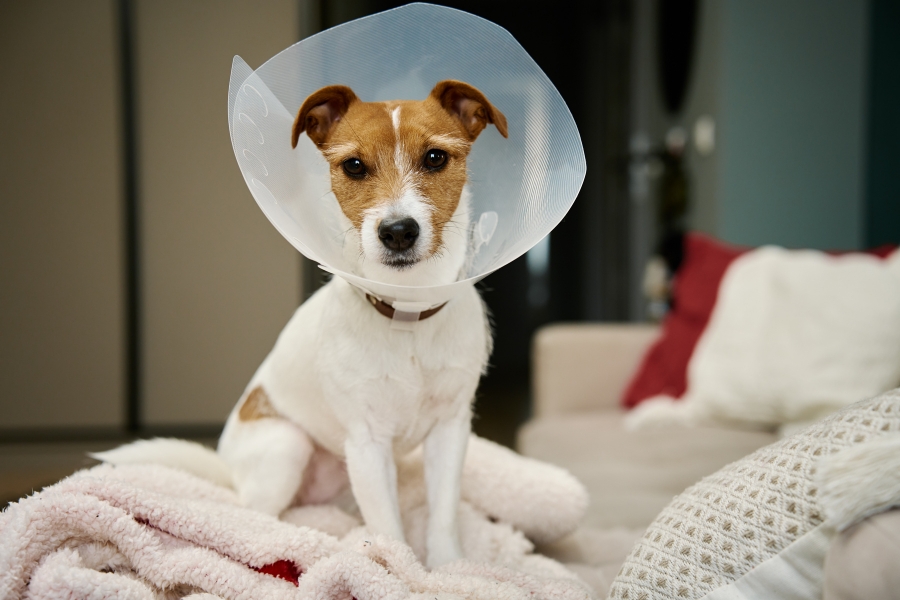
- Use a cone to prevent licking
- Keep the incision clean and dry
- Follow medication instructions carefully
After about a week, most dogs can gradually return to normal activities once cleared by their veterinarian.
2. Orthopedic Procedures
Orthopedic procedures are more complex. These include ligament repairs, fracture stabilization, or hip surgeries. Because bones and joints require more time to heal, recovery is significantly longer.
Typical recovery time: 6–12 weeks
The first two weeks focus on pain control and restricted movement. Then, gradual rehabilitation begins. In many cases, controlled leash walks and physical therapy exercises support muscle strength and joint flexibility.
Strict activity restriction is essential. Therefore, crate rest or confined spaces may be recommended. Although progress may feel slow, consistent care improves long-term outcomes.
3. Soft Tissue Procedures
Soft tissue procedures involve internal organs or skin repairs. Examples include tumor removal, hernia repair, or abdominal surgery.
Typical recovery time: 10 days to 4 weeks
Healing depends on incision size and surgical complexity. While mild discomfort is expected, swelling or discharge should be monitored closely.
Watch for:
- Redness around the incision
- Persistent swelling
- Unusual discharge
- Loss of appetite
Prompt communication with your veterinarian prevents complications.
4. Dental Procedures
Dental extractions and oral procedures typically heal faster.
Typical recovery time: 7–14 days
Dogs may require soft food during initial healing. Additionally, mild drooling or slight bleeding can occur for a short period.
Fortunately, oral tissue heals quickly when properly managed.
The First 48 Hours After Surgery
The initial recovery phase is critical. During this period, your dog may experience:
- Drowsiness
- Reduced appetite
- Mild discomfort
- Temporary balance issues
Provide a quiet, comfortable resting space away from stairs or active areas. Furthermore, limit interactions with other pets to prevent accidental injury.
Although mild lethargy is normal, extreme weakness or persistent vomiting requires immediate veterinary attention.
Pain Management Is Essential
Pain control plays a vital role in recovery. Your veterinarian will prescribe medications to reduce inflammation and discomfort.
Never administer human medications unless specifically directed. Some over-the-counter drugs can be toxic to dogs.
If you notice:
- Excessive panting
- Whimpering
- Restlessness
- Refusal to move
Contact your veterinarian promptly.
Restricting Activity Safely
Even if your dog appears energetic, internal healing still occurs. Therefore, avoid high-impact activities until your veterinarian confirms it is safe.
Helpful strategies include:
- Leash-only bathroom breaks
- Blocking stair access
- Using baby gates
- Avoiding dog parks
Controlled movement protects stitches and prevents setbacks.
Incision Monitoring and Wound Care
Check the surgical site daily. A small amount of redness is normal, but worsening swelling or discharge is not.
Keep the incision:
- Clean
- Dry
- Protected from licking
Most dogs require an Elizabethan collar or recovery suit to prevent chewing. Although it may seem uncomfortable, it significantly reduces infection risk.
Nutrition and Hydration During Recovery
Good nutrition supports tissue repair. Offer small, easily digestible meals during the first 24 hours. If appetite remains low beyond one day, consult your veterinarian.
Fresh water should always be available. Proper hydration speeds healing and prevents complications.
When to Call Your Veterinarian
While mild symptoms are expected, certain signs require immediate attention:
- Continuous bleeding
- Foul odor from incision
- Fever
- Extreme lethargy
- Sudden swelling
Early intervention prevents serious complications.
Follow-Up Visits Matter
Post-operative appointments ensure proper healing. During these visits, your veterinarian:
- Evaluates incision progress
- Removes sutures if needed
- Adjusts medications
- Advises on activity levels
Skipping follow-ups can delay recovery. Therefore, attend all scheduled visits.
At Tuckahoe Animal Hospital & Pet Center, we prioritize personalized recovery plans tailored to each pet’s needs. We proudly support families throughout Tuckahoe, NY with compassionate surgical care and thorough post-operative guidance.
How Long Until Full Recovery?
Full recovery depends on the procedure. Minor procedures may resolve within 10 days. However, orthopedic healing may extend several months.
Patience is essential. Although visible improvement may appear quickly, internal tissues require adequate time to heal completely.
By carefully following veterinary instructions, most dogs regain full mobility and comfort.
Surgical recovery can feel overwhelming at first. However, with proper monitoring, pain management, restricted activity, and veterinary guidance, most dogs heal successfully.
If you are in Tuckahoe and looking for dog surgery near you, book an appointment with Tuckahoe Animal Hospital & Pet Center. Our veterinary team is committed to providing safe procedures, detailed recovery plans, and compassionate care for your beloved pet.
FAQs
Q1. How long does it take a dog to fully recover from surgery?
Ans. Recovery time depends on the type of procedure. Minor surgeries may heal within 7–14 days, while orthopedic procedures can take 6–12 weeks or longer.
Q2. What are normal signs after my dog comes home from surgery?
Ans. Mild sleepiness, reduced appetite, and slight swelling near the incision are common during the first 24–48 hours.
Q3. How can I help my dog heal faster after surgery?
Ans. Follow all post-operative instructions, limit activity, administer medications as prescribed, and monitor the incision daily for signs of infection.
Q4. When should I be concerned about my dog’s recovery?
Ans. Contact your veterinarian if you notice excessive swelling, discharge, bleeding, vomiting, extreme lethargy, or persistent pain.
Q5. Can my dog eat normally after surgery?
Ans. Most dogs can resume small meals within 24 hours. However, follow your veterinarian’s dietary recommendations, especially after abdominal or dental procedures.
Q6. Why is activity restriction important after surgery?
Ans. Limiting movement prevents stitches from reopening, reduces swelling, and supports proper internal healing, which ultimately shortens recovery time.