Pet Portal


Senior Cat Nutrition: How to Feed Your Aging Feline for Optimal Health
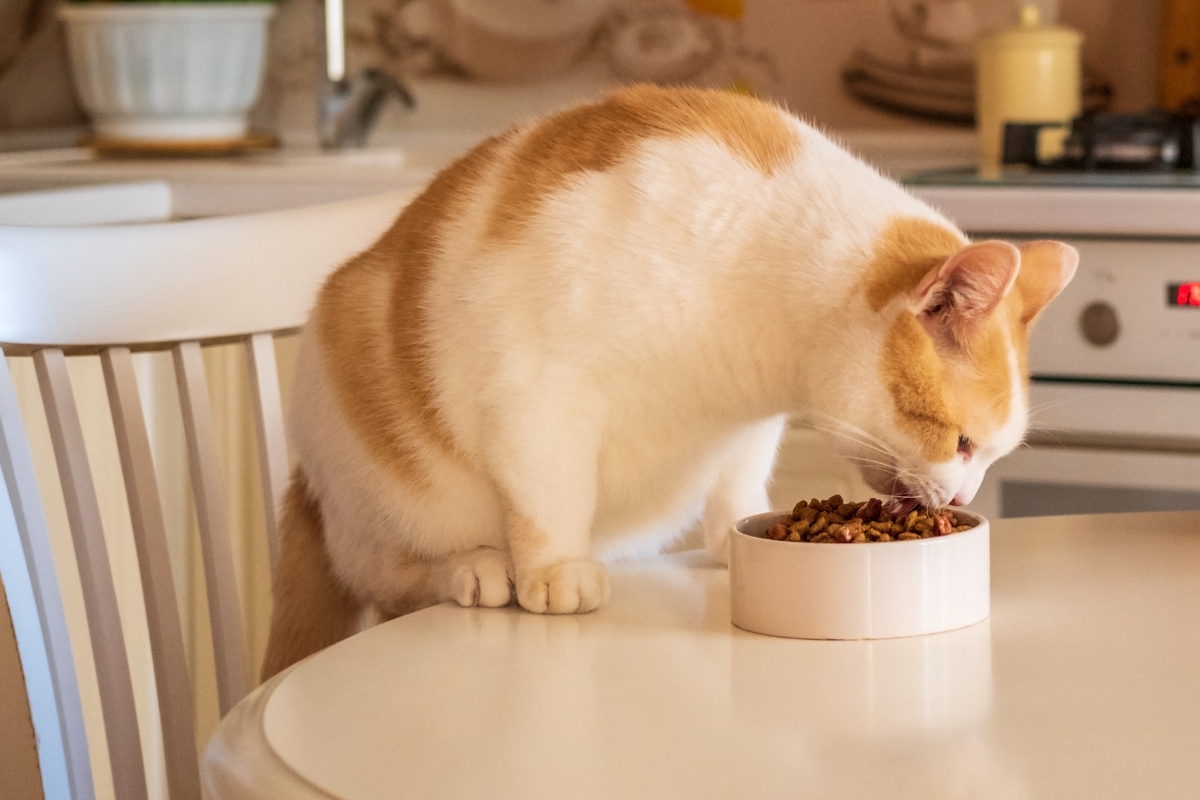
As cats grow older, their bodies change in noticeable ways. They may sleep more, move more slowly, or develop new health concerns. Because of these changes, their dietary needs shift as well. Feeding your aging feline the right nutrients not only improves daily comfort but also supports long-term wellness.
Senior cats typically enter their golden years around age seven to ten. During this stage, metabolism slows, muscle mass may decrease, and organ function requires additional support. Therefore, thoughtful diet planning becomes one of the most important parts of senior cat care.
At Tuckahoe Animal Hospital & Pet Center, we regularly guide families through proper dietary adjustments for aging pets. This blog is specially created for cat owners in Tuckahoe, NY who want to help their senior companions thrive with the right nutrition.
Why Nutrition Is Critical for Senior Cats
First and foremost, nutrition directly affects your cat’s quality of life. As cats age, they become more vulnerable to chronic conditions such as kidney disease, arthritis, diabetes, and obesity. However, a properly balanced diet can slow progression and reduce complications.
For example, the right nutrients help:
- Maintain lean muscle mass
- Support healthy joints
- Strengthen immune function
- Promote digestive efficiency
- Protect kidney and heart health
Without dietary adjustments, age-related decline may accelerate. Therefore, feeding an appropriate senior diet actively supports longevity.
Key Nutrients Every Senior Cat Needs
When choosing food for your aging feline, pay close attention to these essential nutrients.
1. High-Quality Protein
Although metabolism slows, senior cats still require adequate protein. In fact, protein helps preserve muscle mass and maintain strength. Look for easily digestible sources such as chicken, turkey, or fish listed as the first ingredient.
However, balance is important. Cats with kidney concerns may require modified protein levels. Therefore, veterinary guidance ensures proper adjustments.
2. Omega-3 Fatty Acids
Omega-3 fatty acids reduce inflammation and support joint mobility. As arthritis becomes more common with age, these nutrients can improve comfort and flexibility.
Additionally, omega fatty acids promote healthy skin and a glossy coat. Fish oil remains one of the best sources.
3. Fiber for Digestive Health
Older cats often experience constipation or slower digestion. Increased fiber helps regulate bowel movements and maintain gastrointestinal health.
Moderate fiber also assists with weight management, especially for less active cats.
4. Antioxidants and Vitamins
Vitamins E, C, and B-complex strengthen immune response and support cellular health. Antioxidants combat oxidative stress, which increases with aging.
Balanced mineral levels, particularly phosphorus and calcium, also help maintain bone strength.
5. Increased Moisture Intake
Senior cats are more prone to kidney and urinary issues. Therefore, hydration becomes extremely important.
Wet or canned food increases moisture consumption. In addition, always provide fresh, clean water. Some cats benefit from water fountains, which encourage drinking.
Wet Food vs. Dry Food for Senior Cats
Many pet owners ask whether wet or dry food is better. The answer depends on your cat’s individual needs.
Wet Food Benefits:
- Higher moisture content
- Easier to chew for cats with dental issues
- Often more palatable
Dry Food Benefits:
- Convenient storage
- Supports dental health through chewing
- Cost-effective
In many cases, a combination approach works best. Wet food boosts hydration, while dry food adds texture variety.
Adjusting Diet for Common Senior Conditions
Because aging cats face higher health risks, diet modifications may become necessary.
Kidney Disease
Lower phosphorus and controlled protein diets reduce kidney strain. Specialized renal diets may be recommended.
Diabetes
High-protein, low-carbohydrate formulas help regulate blood sugar levels.
Obesity
Controlled-calorie diets prevent excess weight gain while still meeting nutritional requirements.
Dental Issues
Soft food options improve comfort for cats with sensitive or missing teeth.
Early detection through routine exams allows timely dietary changes that improve outcomes.
Portion Control and Feeding Routine
Consistency plays an important role in senior cat nutrition. Instead of free-feeding, offer scheduled meals to monitor appetite and prevent overeating.
Helpful tips include:
- Provide smaller, more frequent meals
- Measure portions carefully
- Track weight monthly
- Adjust calories based on activity level
Weight fluctuations may signal underlying health concerns. Therefore, routine monitoring ensures early intervention.
Signs Your Senior Cat May Need a Diet Change
Watch for these indicators:
- Sudden weight loss or gain
- Decreased appetite
- Vomiting or diarrhea
- Dull coat
- Reduced energy
If you observe any of these signs, schedule a veterinary evaluation. Sometimes, simple dietary adjustments make a significant difference.
The Importance of Veterinary Guidance
Although commercial senior cat foods are widely available, individualized planning is far more effective. Every cat ages differently. Factors such as breed, health history, and lifestyle influence dietary needs.
Professional nutritional counseling helps tailor feeding plans based on lab results, physical exams, and medical history. Through personalized nutritional counseling, veterinarians can adjust calorie levels, protein balance, and supplement recommendations safely.
At Tuckahoe Animal Hospital & Pet Center, we create customized nutrition strategies designed to support graceful aging. We proudly serve families throughout Tuckahoe, NY with compassionate and comprehensive senior care.
Supporting Longevity Through Proper Nutrition
Feeding your aging feline properly does more than address immediate needs. It:
- Preserves independence and mobility
- Supports cognitive health
- Reduces inflammation
- Enhances immune defense
- Improves overall comfort
With thoughtful planning and consistent monitoring, many senior cats continue living active, fulfilling lives well into their teens.
Senior cats require intentional, balanced nutrition to thrive in their later years. By focusing on high-quality protein, healthy fats, proper hydration, and condition-specific adjustments, you actively protect your cat’s long-term health.
If you are in Tuckahoe and need guidance related to senior cat nutrition, book an appointment with Tuckahoe Animal Hospital & Pet Center. Our veterinary team is dedicated to providing personalized dietary support to help your aging feline enjoy optimal health and comfort.
FAQs
Q1. What age is considered a senior cat?
Ans. Most cats are considered senior around 7–10 years of age. However, nutritional changes often become more important after age 10. Your veterinarian can help determine when to transition your cat to a senior-specific diet.
Q2. Should senior cats eat more or less protein?
Ans. Senior cats actually need high-quality, easily digestible protein to maintain muscle mass. While some medical conditions may require adjustments, healthy older cats benefit from adequate protein intake rather than protein restriction.
Q3. Is wet food better for senior cats?
Ans. Wet food can be beneficial because it increases hydration and supports kidney and urinary health. Many veterinarians recommend a mix of wet and dry food to balance moisture intake and dental support.
Q4. How often should I feed my senior cat?
Ans. Feeding smaller, frequent meals often works best for aging cats. This approach supports digestion, maintains steady energy levels, and encourages cats with lower appetites to eat consistently.
Q5. What nutrients are most important for senior cat health?
Ans. Essential nutrients include high-quality protein, omega-3 fatty acids for joint health, fiber for digestion, antioxidants for immune support, and adequate hydration to protect kidney function.
Q6. When should I consult a veterinarian about my senior cat’s diet?
Ans. You should consult your veterinarian if your cat experiences weight changes, decreased appetite, vomiting, diarrhea, or develops a medical condition such as kidney disease or diabetes. A professional evaluation ensures your cat receives the most appropriate nutritional plan.