Pet Portal


Orthopedic Surgery for Dogs: A Beginner’s Guide to Conditions & Procedures
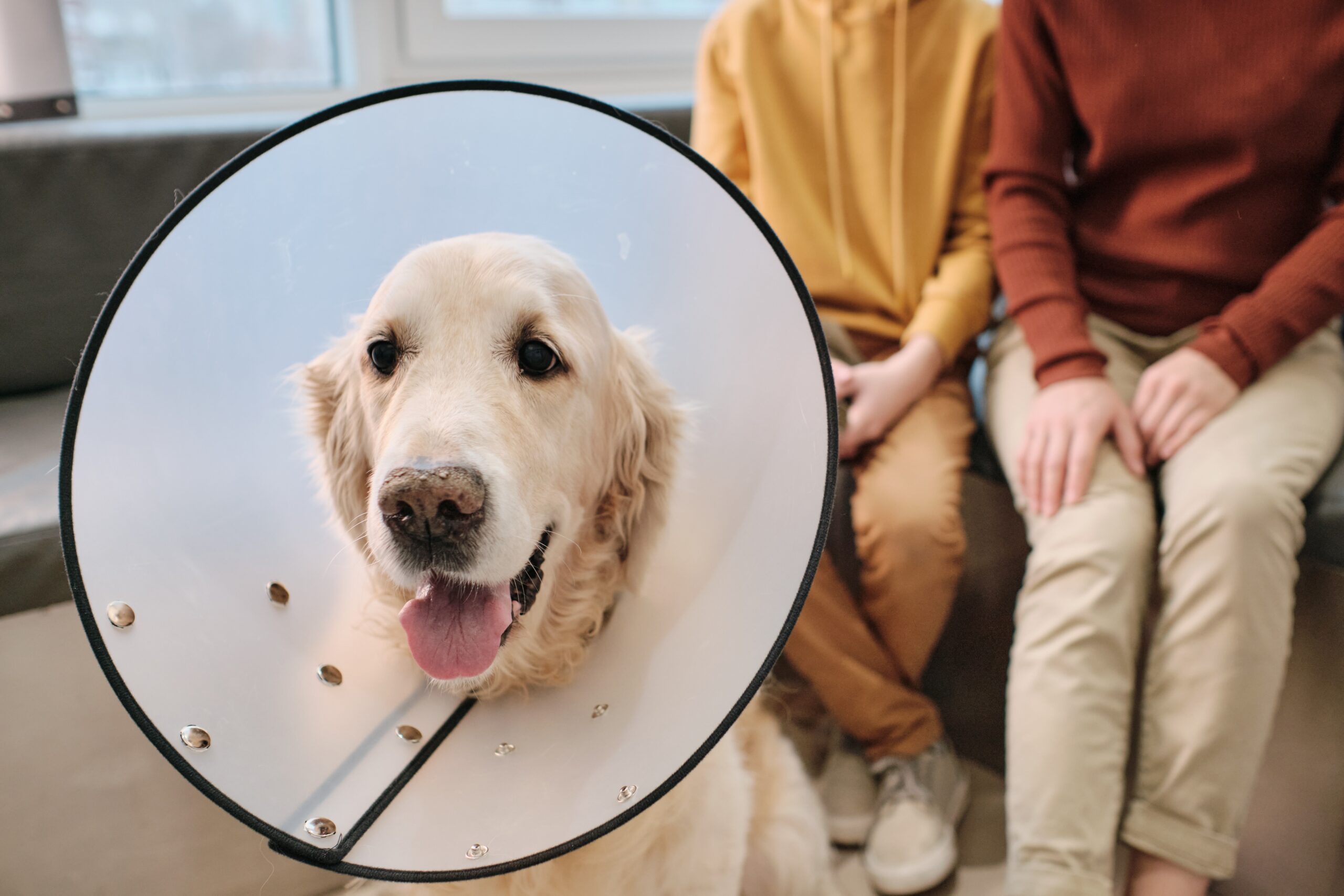
When your dog limps or shows signs of pain, it can be both concerning and confusing. Many pet parents don’t realize that dogs, like humans, can suffer from orthopedic conditions that may require surgery. Understanding the causes, treatment options, and procedures available can help you make informed decisions for your dog’s health and mobility.
In this guide, we’ll walk you through the essentials of orthopedic surgery for dogs — from common conditions to surgical procedures and what to expect during recovery.
What Is Orthopedic Surgery for Dogs?
Orthopedic surgery in dogs refers to any surgical procedure that corrects problems with the bones, joints, ligaments, or tendons. These issues often stem from injury, congenital disorders, or age-related wear and tear.
Unlike general veterinary care, orthopedic treatment focuses specifically on the musculoskeletal system. It aims to reduce pain, improve function, and restore mobility.
Common Orthopedic Conditions in Dogs
Before diving into the types of surgeries, it’s helpful to recognize some of the most common orthopedic issues that affect dogs. Each condition may present differently but typically includes symptoms like limping, reluctance to move, or swelling.
1. Hip Dysplasia
Hip dysplasia is a genetic condition where the hip joint doesn’t develop properly. Over time, this misalignment can lead to arthritis and chronic pain. Large breeds like German Shepherds and Labrador Retrievers are especially prone to this condition.
2. Cranial Cruciate Ligament (CCL) Injury
Much like the ACL in humans, the CCL stabilizes the knee joint. When torn, it can cause severe lameness and pain. CCL injuries are one of the most frequent reasons dogs undergo orthopedic surgery.
3. Luxating Patella
This condition involves the kneecap sliding out of place. While it often affects small dog breeds, it can occur in any dog. Mild cases might not need surgery, but severe cases often do.
4. Fractures and Broken Bones
Accidents, falls, or trauma can lead to broken bones. Depending on the severity, these may require surgical repair using plates, screws, or pins.
5. Osteochondritis Dissecans (OCD)
This is a developmental disease in which cartilage separates from the bone, usually in the shoulder, elbow, or knee. Surgical intervention can prevent long-term joint issues.
Types of Orthopedic Surgery for Dogs
Once your vet diagnoses your dog with an orthopedic issue, they may recommend surgery. Below are some of the most common surgical procedures used to treat canine orthopedic conditions.
Tibial Plateau Leveling Osteotomy (TPLO)
TPLO is often used to treat CCL injuries. The procedure involves changing the angle of the tibia to stabilize the knee joint without relying on the ligament.
Femoral Head Ostectomy (FHO)
FHO is commonly performed for severe hip dysplasia or hip fractures. The femoral head (top of the thigh bone) is removed, and scar tissue forms a “false joint.” It’s especially effective for small to medium dogs.
Total Hip Replacement (THR)
This is the most advanced option for hip dysplasia. The damaged joint is replaced with an artificial one, providing a long-term solution for pain and mobility issues.
Bone Plating and Pinning
For fractures, veterinarians may use plates, screws, or pins to stabilize the bone and promote proper healing.
Arthroscopy
This minimally invasive technique allows surgeons to look inside the joint and treat minor problems with less tissue damage and faster recovery times.
What to Expect: Before, During, and After Surgery
Understanding what the process looks like can ease your stress and help your dog recover smoothly.
Before Surgery
- A thorough exam, X-rays, or MRIs will determine the exact issue.
- Blood work is often required to ensure your dog is healthy enough for anesthesia.
During Surgery
- The procedure is performed under general anesthesia.
- A specialized veterinary surgeon usually conducts orthopedic surgeries using sterile tools and techniques.
After Surgery
- Recovery typically involves crate rest, limited movement, and physical therapy.
- Pain management and follow-up visits are critical.
- Full recovery can take weeks to months, depending on the type of surgery and your dog’s age and health.
Recovery Tips for Pet Parents
Helping your dog heal is just as important as the surgery itself. Here are a few key tips:
- Follow the vet’s post-op instructions carefully.
- Use prescribed pain medications and anti-inflammatory drugs.
- Limit activity — no running or jumping.
- Use ramps instead of stairs when possible.
- Attend all follow-up appointments and consider professional rehabilitation.
Recovery might be slow, but with patience and care, your dog can regain strength and mobility.
Choosing veterinary orthopedic surgery is a big decision, but it can dramatically improve your dog’s quality of life. If your pet suffers from chronic pain, mobility issues, or hasn’t responded well to conservative treatments, surgery might be the best next step.
Always consult with a qualified veterinary orthopedic specialist. They will assess your dog’s condition, review treatment options, and help you make an informed choice.
Your dog deserves a life free from pain — and with the right care and treatment plan, that goal is within reach.