Pet Portal


Complete Nutrition Plans for Dogs: Feeding Tips for Every Life Stage
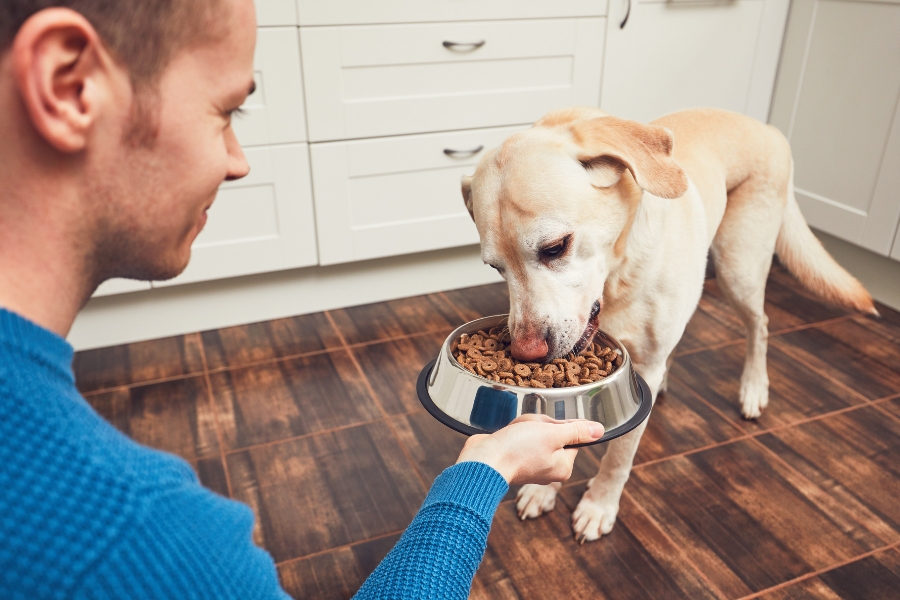
Ensuring your dog receives proper nutrition is essential for their overall health and well-being. Just like humans, dogs require different nutrients at different stages of life. From playful puppies to senior dogs, understanding how to create a balanced diet can help prevent health problems and support longevity. In this guide, we will explore complete nutrition plans for dogs, along with feeding tips tailored to every life stage.
Nutrition for Puppies
Puppies are bundles of energy and growth, requiring diets rich in protein, fat, vitamins, and minerals. During the first year, a puppy’s body undergoes rapid development, particularly in bones, muscles, and immune systems. Therefore, feeding them nutrient-dense meals is crucial.
Key Puppy Nutrition Tips:
- High Protein Content: Puppies need protein to support muscle development. Look for foods containing chicken, beef, fish, or lamb.
- Healthy Fats: Essential fatty acids, such as omega-3 and omega-6, promote brain development and shiny coats.
- Small, Frequent Meals: Puppies have small stomachs, so feed them 3–4 times daily until they reach six months of age.
- Essential Vitamins and Minerals: Calcium and phosphorus are crucial for bone growth, while antioxidants help strengthen the immune system.
Transitioning from milk to solid food can be tricky. Gradually mix puppy food with water or milk replacer over a week to avoid digestive upset. Additionally, always provide fresh water.
Nutrition for Adult Dogs
Once a dog reaches adulthood (around one year old), their growth slows, and their nutritional needs change. Adult dogs require a balanced diet that maintains a healthy weight, supports energy levels, and prevents disease.
Adult Dog Feeding Tips:
- Balanced Protein and Fat: Adult dogs need moderate protein levels to maintain muscle mass without overburdening the kidneys. Fats should come from quality sources, like fish oil or chicken fat.
- Controlled Calories: Overfeeding can lead to obesity, a common problem in adult dogs. Measure portions according to your dog’s size, breed, and activity level.
- Fiber-Rich Foods: Fiber aids digestion and supports gut health. Include fruits, vegetables, or specially formulated dog foods.
- Regular Feeding Schedule: Most adult dogs thrive on two meals per day, preventing hunger and supporting metabolism.
Additionally, supplementing meals with healthy treats in moderation can help with training while keeping your dog happy and active.
Nutrition for Senior Dogs
Senior dogs have unique nutritional requirements. As metabolism slows and activity levels decline, their diet must be adapted to prevent weight gain, joint issues, and organ strain.
Senior Dog Feeding Tips:
- Lower Calories, Higher Fiber: Reducing calorie intake helps manage weight, while fiber maintains digestive health.
- Joint Support: Foods rich in glucosamine and chondroitin can help maintain joint mobility.
- Protein Quality: High-quality protein is crucial to preserve muscle mass in older dogs.
- Antioxidants: Vitamins C and E support immune health and slow the effects of aging.
Transitioning to senior-specific dog food should be gradual. Mixing new and old food over a week reduces digestive disturbances. Moreover, regular veterinary check-ups are vital to monitor organ function and overall health.
General Feeding Tips for All Life Stages
Regardless of age, some feeding practices benefit every dog:
- Fresh Water: Always provide access to clean, fresh water.
- Avoid Harmful Foods: Chocolate, grapes, onions, and certain artificial sweeteners can be toxic.
- Portion Control: Measure meals to prevent overeating and maintain ideal body weight.
- Consistency: Feed at the same time daily to establish a routine and aid digestion.
- Regular Exercise: Physical activity complements nutrition and prevents obesity.
By following these guidelines, you ensure your dog receives a well-rounded diet, tailored to their needs at every stage of life.
Creating a comprehensive dog nutrition plan requires understanding the unique needs of your pet at each life stage. Puppies require nutrient-dense diets to support rapid growth, adult dogs need balanced meals to maintain energy and weight, and senior dogs benefit from specialized diets that support joints, immunity, and overall health. By implementing these feeding tips, you can help your dog thrive, stay active, and live a long, healthy life. Always consult with a veterinarian to customize a nutrition plan specific to your dog’s breed, size, and health conditions.