
Pet Portal


Early Detection Saves Lives: Advanced Diagnostic Testing for Pets
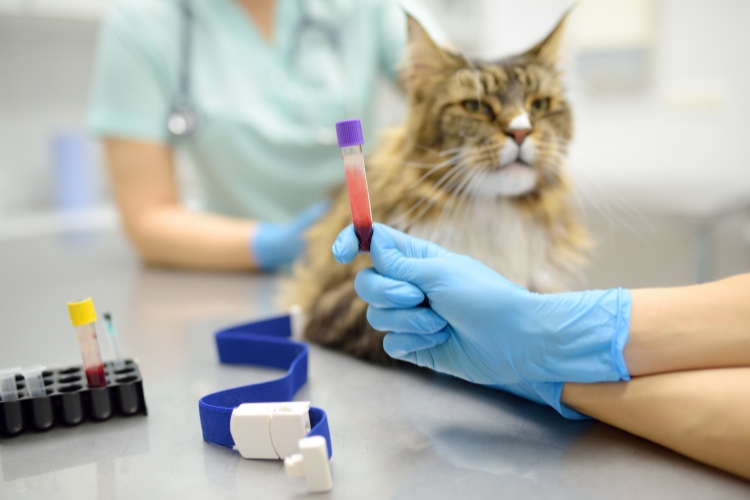
Caring for a pet means noticing even the smallest changes in behavior, appetite, and energy. Many serious health problems begin quietly, without obvious signs that something is wrong. Early detection gives pets a better chance at recovery, a longer life, and fewer complications. Modern testing methods allow veterinarians to uncover hidden concerns before they become severe or life-threatening.
This blog is especially for pet owners of Tuckahoe, NY, who want to stay ahead of potential health issues. Families often treat pets as part of the household, and regular checkups, paired with advanced testing, can help protect their well-being. Reliable information helps you make confident choices about your pet’s health journey and daily care routine.
Understanding Advanced Testing for Pets
Advanced testing involves a range of tools and techniques used by the veterinarian to assess internal health. These tests go beyond basic physical exams and provide detailed insights into how a pet’s body is functioning. Early diagnosis often leads to simpler treatment plans and better outcomes.
Many pet parents wonder about diagnostic care and when it becomes necessary. Regular wellness exams often include basic screenings, while more advanced tests are recommended based on age, breed, and symptoms. Clear communication with the veterinary team ensures that every test serves a purpose and adds value to your pet’s care.
Signs That Should Never Be Ignored
Pets cannot explain discomfort in words, which makes observation very important. Subtle signs often indicate deeper health concerns that need attention sooner rather than later. Recognizing these signals can help prevent delayed treatment.
- Changes in appetite: A sudden increase or decrease in eating habits may signal digestive or metabolic issues that require evaluation.
- Low energy levels: Unusual tiredness or reduced activity may indicate an underlying illness or pain that requires attention.
- Weight fluctuations: Unexpected weight gain or loss can be linked to hormonal imbalances or chronic disease.
- Behavior shifts: Aggression, anxiety, or withdrawal may reflect discomfort or neurological concerns.
- Frequent vomiting: Repeated vomiting is never normal and should be checked by the veterinarian quickly.
Common Types of Diagnostic Tests for Pets
A wide variety of tools help uncover hidden health issues in pets. Each test serves a specific role in identifying problems and guiding treatment plans. Knowing the basics can help pet owners feel more prepared during visits.
- Blood tests: Blood work provides information about organ function, infections, and overall health.
- Urinalysis: Urine testing helps detect kidney disease, infections, and metabolic disorders early.
- X-rays and imaging: Imaging tools allow veterinarians to see bones, organs, and internal structures clearly.
- Ultrasound exams: Ultrasound provides a closer look at soft tissues and internal organs without invasive procedures.
- Fecal testing: Stool analysis identifies parasites and digestive issues that may affect your pet’s comfort.
Many of these pet diagnostic tests are quick and minimally stressful for pets. Early use of these tools often prevents the need for more complex treatments later.
How Preventive Screening Keeps Pets Healthier
Preventive care focuses on identifying risks before symptoms appear. Regular pet screening tests play a major role in keeping pets healthy over time. Early screenings are especially helpful for senior pets and breeds prone to specific conditions.
Routine testing allows the vet to track changes in your pet’s health over months or years. Patterns in results can reveal concerns before they become serious. Consistent monitoring also helps tailor diet, exercise, and treatment plans to your pet’s specific needs.
Many pet owners ask what diagnostic tests their pets need as they grow older. The answer depends on lifestyle, medical history, and risk factors. Open conversations with the veterinary provider ensure that your pet receives the right tests at the right time.
The Role of Technology in Modern Pet Care
Advances in veterinary diagnostics have transformed how health issues are detected and managed. New tools provide faster and more accurate results, allowing veterinarians to act quickly. Improved technology also reduces discomfort and stress for pets during testing.
Digital imaging, in-house lab equipment, and specialized testing methods make it easier to identify problems early. Faster results mean quicker treatment decisions, which can make a big difference in recovery. Access to modern tools helps create a more efficient and effective care for both pets and their owners.
When Should Testing Be Done
Timing plays a key role in effective diagnosis and treatment. Regular wellness exams often include basic testing, while additional tests may be recommended based on symptoms or age. Early testing helps detect silent conditions that may not show visible signs.
Puppies and kittens benefit from baseline tests that establish a health record. Adult pets often require periodic testing to monitor changes over time. Senior pets may need more frequent evaluations to manage age-related conditions. The veterinarian can guide you on the right schedule based on your pet’s unique needs.
Preparing Your Pet for Diagnostic Tests
Preparation helps reduce stress for both pets and their owners. Knowing what to expect makes the process smoother and more comfortable. Simple steps can improve the accuracy of results and the overall outcome.
- Follow fasting instructions: Some tests require pets to avoid food for a certain period before the appointment.
- Bring medical history: Sharing records helps the veterinarian understand your pet’s health background.
- Keep pets calm: A relaxed pet is easier to examine and produces more accurate test results.
- Ask questions early: Understanding the purpose of each test can ease concerns and build confidence.
Clear communication with the veterinary team ensures that every step is handled with care and attention.
How Early Detection Improves Treatment Outcomes
Early detection often leads to simpler, less invasive treatments. Identifying a condition in its early stages can reduce recovery time and improve quality of life. Many diseases respond better to treatment when caught early.
Chronic conditions like kidney disease, diabetes, and heart issues can be managed more effectively with early diagnosis. Timely care helps prevent complications and reduces long-term health risks. Regular testing creates opportunities to address concerns before they escalate into serious problems.
Building a Long-Term Health Plan for Your Pet
A proactive approach to health care creates a strong foundation for your pet’s well-being. Combining regular checkups with advanced testing ensures that no detail is overlooked. Consistency plays a major role in maintaining good health over time.
Work closely with the veterinarian to develop a personalized care plan. Regular evaluations, proper nutrition, and timely testing all contribute to a healthier and happier life for your pet. Preventive care is not just about avoiding illness but also about supporting overall wellness.
Protect Their Future With Smart Health Choices
Early detection remains one of the most powerful tools in pet care. Advanced testing allows health issues to be identified before they become serious, giving pets a better chance at a long and comfortable life. Tuckahoe Animal Hospital & Pet Center provides advanced diagnostic services designed to detect and address health concerns at the right time.
If you’re in Tuckahoe and seeking reliable diagnostic testing services, book an appointment with Tuckahoe Animal Hospital & Pet Center to take the next step toward better care. Our team can guide you through testing options and create a plan that fits your pet’s needs.
Frequently Asked Questions
1. How do I know if my pet needs diagnostic testing right now?
Sudden changes in eating, behavior, or energy often signal underlying issues. Scheduling an exam allows the veterinarian to assess symptoms and recommend the right tests for early detection and care.
2. Can diagnostic tests detect diseases before symptoms appear?
Many conditions develop silently before visible signs appear. Routine screenings can identify early changes in organ function or blood values, helping veterinarians begin treatment before the condition becomes more serious.
3. Are older pets more likely to need frequent testing?
Aging pets face a higher risk of chronic illnesses such as kidney disease and arthritis. Regular diagnostic testing helps track health changes and allows veterinarians to adjust care plans for better long-term comfort.
4. Do diagnostic tests require anesthesia for pets?
Most common tests, like blood work or urine analysis, do not require anesthesia. Imaging or advanced procedures may require mild sedation to keep pets calm and ensure accurate results.
5. Can stress affect my pet’s test results?
Stress can sometimes influence heart rate, blood pressure, or certain lab values. Keeping pets calm before visits and choosing a familiar veterinary clinic environment can help ensure more reliable results.