Pet Portal


Foreign Body Surgery in Pets: What Happens When Your Dog Swallows Something They Shouldn’t?
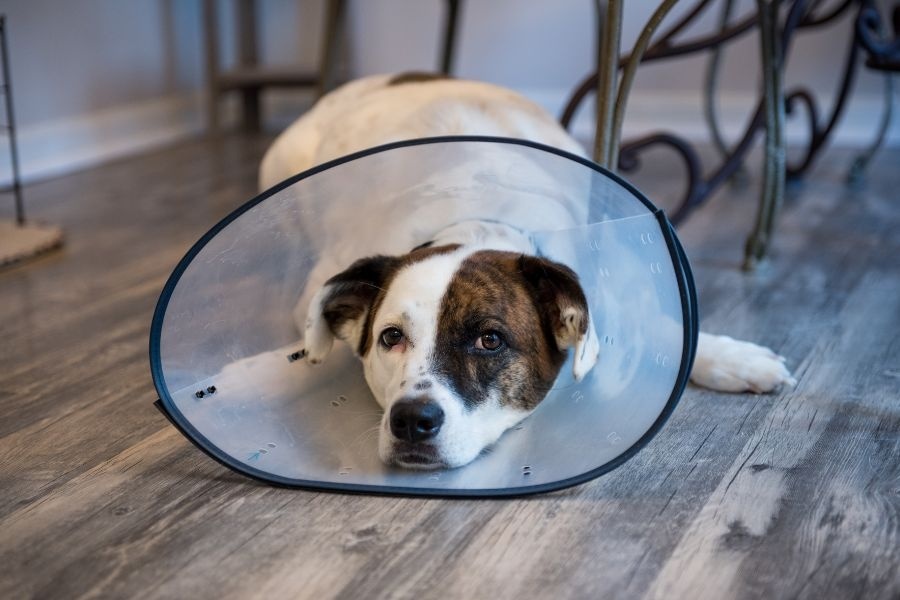
Dogs explore the world with their mouths. A sock on the floor, a child’s toy, a piece of bone, or even a string can quickly become something a curious dog decides to swallow. Sometimes the object passes naturally. Other times, it becomes lodged in the stomach or intestines and creates a serious gastrointestinal obstruction.
When this happens, prompt veterinary evaluation matters. Foreign body surgery may be necessary when an object cannot move through the digestive tract safely. Understanding the warning signs, diagnostic process, surgical options, and recovery process can help pet owners make informed decisions when their dog has swallowed something dangerous.
For families in Tuckahoe, knowing what to watch for can make it easier to recognize a potential problem and seek veterinary attention without delay.
What Is a Foreign Body in a Pet?
A foreign body is an object that enters a pet’s digestive system but cannot be safely digested. Dogs are particularly known for swallowing objects during play or exploration, although cats can also ingest inappropriate materials.
Common examples include:
- Socks
- Small toys
- Pieces of clothing
- Bones
- Rocks
- String or thread
- Rubber objects
- Plastic items
- Corn cobs
- Household objects
Some objects remain in the stomach, while others travel into the intestines. If an object becomes lodged, it can interfere with the normal movement of food and fluids through the digestive tract.
A gastrointestinal blockage can become increasingly serious as pressure builds and the affected tissue becomes damaged.
What Happens When a Dog Eats a Toy?
One common scenario is a dog ate a toy foreign body surgery situation. A dog may chew apart a toy and swallow one or more pieces without the owner noticing.
The first signs may not appear immediately. A dog could initially seem completely normal before developing digestive symptoms.
Owners should watch for changes such as:
- Vomiting
- Loss of appetite
- Abdominal discomfort
- Reduced activity
- Excessive drooling
- Repeated attempts to vomit
- Changes in bowel movements
- Straining to defecate
- A tense or painful abdomen
- Unusual restlessness
The exact symptoms depend on the object’s location, size, shape, and how long it has been present.
Recognizing Signs of Intestinal Blockage in Pets
Understanding the signs of intestinal blockage in pets is especially important because symptoms can vary.
A pet with a developing obstruction may initially show mild digestive changes. As the condition progresses, vomiting, discomfort, weakness, and appetite loss can become more noticeable.
Pay attention to sudden changes in your pet’s normal routine, including:
- Refusing meals
- Vomiting repeatedly
- Becoming unusually quiet
- Showing discomfort when moving
- Hiding or withdrawing from family members
- Developing changes in bowel movements
- Showing abdominal sensitivity
- Becoming restless and unable to settle comfortably
A pet that has swallowed a potentially dangerous object should be evaluated by a veterinarian rather than waiting to see whether symptoms develop.
How Veterinarians Determine What Happened
A veterinarian will begin by reviewing what happened and performing a physical examination. Owners should provide as much information as possible.
Useful details include:
- What object may have been swallowed
- Approximately when the ingestion occurred
- The approximate size of the object
- Whether part of the object is missing
- Any vomiting or appetite changes
- Recent bowel movements
- Changes in behavior
Diagnostic imaging can then help determine whether an obstruction may be present.
Depending on the situation, the veterinary team may use radiographs, ultrasound, or other diagnostic tools. Blood testing may also be recommended to evaluate the pet’s overall condition and help guide treatment.
Imaging can provide valuable information about the location of an object and whether the digestive tract appears affected.
When Soft Tissue Surgery May Be Needed
If an object cannot safely pass through the digestive tract, soft tissue surgery may be recommended.
The specific procedure depends on where the foreign body is located and whether the surrounding tissue has been damaged.
If the object is located within the stomach, a veterinarian may perform a procedure to open the stomach and remove it. If the object has moved into the intestine, an intestinal incision may be required.
In some cases, the affected intestinal tissue may be severely damaged. If that happens, the surgical plan may need to address unhealthy tissue as well.
The veterinary team will consider the pet’s condition, imaging results, location of the object, and condition of the digestive tract when determining the safest surgical approach.
What Does Foreign Body Surgery Involve?
Foreign body removal is performed under controlled surgical conditions. The pet is carefully monitored throughout the procedure.
The general process may involve:
- Preparing the pet for surgery
- Using appropriate pain control
- Accessing the affected portion of the digestive tract
- Locating the foreign object
- Removing the object
- Assessing surrounding tissue
- Closing the affected area
- Monitoring the pet during recovery
The exact technique varies from one case to another. A straightforward foreign body removal may have a different recovery process than a procedure involving damaged intestinal tissue.
The veterinary team will explain the recommended procedure and expected recovery based on the individual pet.
Why Prompt Veterinary Attention Matters
A gastrointestinal obstruction can affect more than the pet’s ability to eat normally.
As an obstruction persists, pressure can build inside the digestive tract. Blood supply to affected tissue may become compromised, increasing the risk of tissue injury.
A damaged digestive tract can create additional complications and may require a more involved surgical procedure.
This is why owners should not intentionally wait for a swallowed object to cause obvious symptoms. Early evaluation gives the veterinary team an opportunity to determine whether the object is likely to pass safely or whether intervention may be necessary.
What Pet Owners Should Avoid Doing
When a pet swallows an object, owners may feel tempted to try home remedies or induce vomiting without professional guidance.
Avoid attempting to retrieve an object manually unless a veterinarian specifically instructs you to do so.
Certain objects can cause additional injury if they are pulled or moved incorrectly. String and thread can be particularly concerning because pulling on them may damage delicate tissues.
Instead, contact a veterinary professional and explain exactly what your pet may have swallowed.
Pet Abdominal Surgery Recovery Tips
Recovery does not end when the foreign object has been removed. Careful monitoring at home is an important part of the healing process.
Helpful pet abdominal surgery recovery tips may include:
- Follow all medication instructions carefully
- Keep activity restricted according to veterinary recommendations
- Prevent licking or chewing at the surgical site
- Monitor the incision for unusual changes
- Follow feeding instructions provided by the veterinary team
- Watch for vomiting or appetite changes
- Keep follow up appointments
- Prevent jumping and rough play during recovery
Your pet may need several days or longer to return to normal activity depending on the procedure and overall health.
Do not increase exercise simply because your pet appears energetic. Internal tissues may need more time to heal than the outside incision suggests.
Preventing Future Foreign Body Problems
Prevention is often easier than dealing with an intestinal obstruction.
Pet owners can reduce risk by keeping tempting objects out of reach and choosing toys that are appropriate for their pet’s size and chewing habits.
Helpful prevention habits include:
- Store socks and clothing in closed hampers
- Keep children’s toys away from pets
- Dispose of damaged toys
- Avoid giving unsafe bones or chew items
- Supervise pets when they play with toys
- Keep string and thread secured
- Use pet appropriate toys
- Monitor pets that frequently chew or swallow objects
Dogs that repeatedly ingest non food items may also need a veterinary evaluation to identify possible behavioral or medical contributors.
Schedule Veterinary Care for a Swallowed Object
If you know or suspect that your pet has swallowed an object, professional evaluation can help determine the safest next step. Do not wait for severe symptoms before seeking guidance.
For pet owners in Tuckahoe, Tuckahoe Animal Hospital & Pet Center can provide veterinary evaluation and guidance when a swallowed object raises concern. Schedule an online appointment or contact the veterinary team to discuss your pet’s situation and determine what care may be appropriate.
Foreign body ingestion can happen quickly, but recognizing the warning signs and acting promptly can make a meaningful difference in your pet’s care.
Frequently Asked Questions
Q1. Can a swallowed toy pass through a dog’s digestive system naturally?
Ans: Some small objects may pass naturally, but owners should not assume that every swallowed item will move through safely. The object’s size, shape, material, and location all matter. Veterinary evaluation can help determine whether monitoring is appropriate or whether further diagnostic testing or removal may be needed.
Q2. What should I do if I think my dog swallowed a sock?
Ans: Contact a veterinarian and provide details about the sock, when it may have been swallowed, and any symptoms your dog is showing. Do not attempt to make your dog vomit unless specifically instructed by a veterinary professional. Further evaluation may be recommended based on the circumstances.
Q3. How long does recovery take after foreign body surgery?
Ans: Recovery varies depending on where the object was located, the surgical technique used, whether intestinal tissue was damaged, and the pet’s overall health. Some pets recover relatively quickly, while others require a longer period of restricted activity and monitoring. Follow the veterinary team’s specific recovery instructions.
Q4. Can cats also need surgery after swallowing a foreign object?
Ans: Yes. Cats can swallow objects such as string, thread, ribbons, or small household items. Certain linear objects can create serious digestive problems. Any suspected ingestion should be discussed with a veterinarian, particularly if the cat develops appetite changes, vomiting, hiding, or unusual behavior.
Q5. How can I prevent my dog from swallowing household objects?
Ans: Keep clothing, children’s toys, string, plastic items, and other tempting objects secured and out of reach. Inspect toys regularly and replace damaged ones. Supervise dogs that are persistent chewers or known to swallow non food items, especially when they are exploring new environments.