Pet Portal


Beyond the Naked Eye: Uncovering Hidden Pet Dental Issues with Digital Radiology
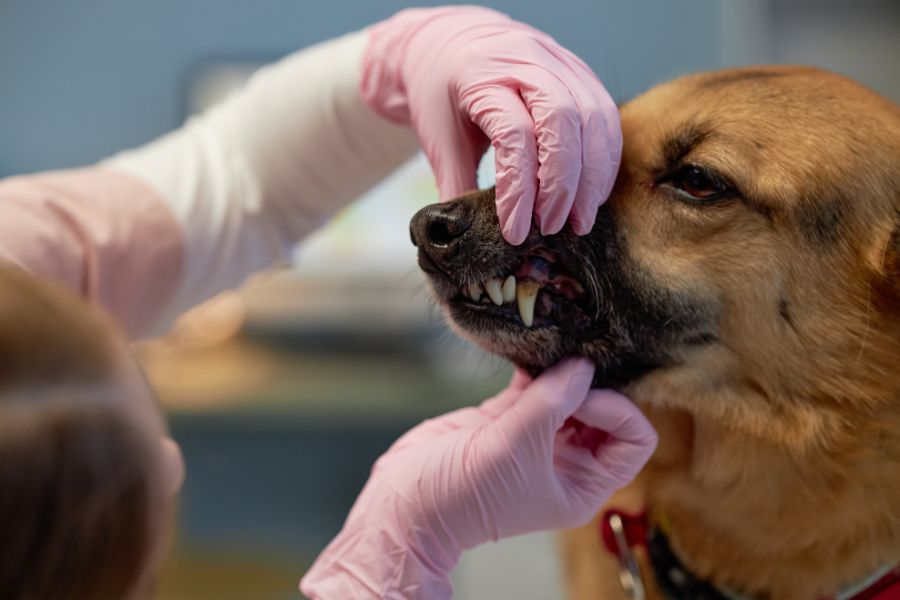
A bright smile can be misleading. While your pet may seem happy and healthy, dental issues can be brewing beneath the surface, completely invisible to the naked eye. Traditional exams only scratch the surface, which is why modern veterinary practices are turning to digital dental radiology to catch problems before they become painful or dangerous.
Welcome to the future of pet oral health diagnostics, where what you don’t see might just save your pet’s life.
What Is Dental Digital Radiology?
Dental digital radiology is a diagnostic tool that uses high-resolution imaging to capture detailed views of a pet’s teeth, roots, jawbone, and surrounding tissues. Unlike standard X-rays, digital radiographs offer clearer images with reduced radiation exposure and immediate results.
This technology allows veterinarians to detect underlying issues such as:
- Tooth root abscesses
- Bone loss from periodontal disease
- Fractured roots
- Retained baby teeth
- Oral tumors
By revealing what’s hidden below the gumline, digital radiology enables timely, targeted treatment.
Why Visual Exams Alone Aren’t Enough
Even the most thorough oral exam can’t show what lies beneath a pet’s gums. About two-thirds of a tooth is below the surface, which means a significant portion of potential problems go unnoticed without radiographs.
Visual symptoms like bad breath or bleeding gums often appear late, after infection or disease has progressed. Digital imaging helps detect issues early, even in seemingly healthy mouths, making it an essential part of preventive dental care.
How Digital Radiology Enhances Pet Dental Treatment Plans
Early detection leads to better outcomes. By using digital dental radiology, veterinarians can create precise treatment plans based on accurate data.
Here’s how it enhances care:
- Customized Treatment: Pinpointing exact areas of concern allows vets to clean, extract, or treat only what’s needed—nothing more, nothing less.
- Reduced Anesthesia Time: Since images are captured instantly, the procedure is faster, reducing time under anesthesia.
- Less Guesswork: With crystal-clear images, there’s no room for uncertainty. This means more efficient surgeries and faster recovery.
- Post-Treatment Monitoring: Radiographs help confirm that issues were fully addressed and healing is on track.
The Role of Pet Parents: Why You Should Say Yes to Radiographs
As a pet owner, you might wonder: Is dental radiology really necessary? The answer is a resounding yes, especially if your pet is showing signs of dental discomfort or is undergoing a cleaning.
Here’s why saying yes can make a huge difference:
- It prevents future pain and costly complications.
- It gives peace of mind knowing your pet’s mouth is truly healthy.
- It catches problems before they become emergencies.
Think of it as an internal checkup for your pet’s smile—one that could uncover silent but serious threats.
Pet Dentistry in Tuckahoe: A Higher Standard of Care
When it comes to pet dentistry in Tuckahoe, clinics are embracing modern diagnostics like digital radiology to ensure comprehensive oral health evaluations. With this technology, veterinary teams don’t rely solely on what they see—they go deeper, offering a higher standard of dental care for your furry companions.
Dental issues don’t always show on the surface, but that doesn’t mean they should go untreated. With digital radiology, veterinarians can look beyond what’s visible and catch issues early, when they’re easiest to treat.
From routine cleanings to complex procedures, this technology has become a cornerstone of modern veterinary dentistry. Don’t wait for signs of pain—be proactive. Ask your vet if digital dental radiographs are part of your pet’s care plan.
Your pet deserves more than just a clean smile—they deserve a healthy one from root to crown.
FAQs: What Pet Owners Need to Know
1. Is dental radiology safe for pets?
A: Yes, it’s very safe. Digital radiographs use significantly less radiation than traditional X-rays and are performed while your pet is under anesthesia during dental procedures.
2. How often should my pet have dental radiographs?
A: Most vets recommend annual dental X-rays, especially for senior pets or those with known dental issues. Your vet may advise more frequent imaging based on your pet’s health.
3. Will I be able to see the results?
A: Absolutely. Your veterinarian will walk you through the digital images, showing any areas of concern and explaining what they mean for your pet’s health.
4. Can my pet have dental radiographs without anesthesia?
A: Unfortunately, no. Pets need to remain completely still for accurate images, and anesthesia ensures their comfort and safety during the procedure.
5. How much does it cost?
A: Costs vary by clinic, but many offer dental packages that include radiographs. While it’s an added expense, it’s also a critical investment in your pet’s long-term health