
Pet Portal


How Laser Therapy Can Help Your Dog’s Arthritis Pain
Arthritis is a common condition in aging dogs, leading to chronic pain, stiffness, and reduced mobility. Watching your furry friend struggle with joint pain can be heartbreaking. Fortunately, advancements in veterinary medicine now offer non-invasive and drug-free options to help manage this pain. One such solution is laser therapy.
In this post, we’ll explore how laser therapy works, its benefits for arthritic dogs, what to expect during treatment, and why it’s gaining popularity among veterinarians and pet owners alike.
What Is Laser Therapy for Dogs?
Laser therapy, also known as cold laser therapy or low-level laser therapy (LLLT), uses specific wavelengths of light to stimulate cellular activity. Unlike surgical lasers that cut or burn tissue, cold laser therapy focuses on healing and pain relief.
The light penetrates the skin and underlying tissues without causing any damage. This process stimulates blood circulation, reduces inflammation, and promotes the regeneration of damaged cells. As a result, dogs experience less pain and greater mobility.
How Laser Therapy Helps Dogs With Arthritis
Arthritis in dogs causes joint inflammation, pain, and decreased range of motion. Laser therapy targets these symptoms directly. Here’s how:
- Reduces Inflammation: The laser increases blood flow and lymphatic drainage, reducing swelling around the joints.
- Alleviates Pain: Laser light stimulates nerve cells, blocking pain signals and releasing endorphins.
- Improves Mobility: As inflammation and pain decrease, dogs become more active and mobile.
- Promotes Healing: By stimulating cellular repair, laser therapy helps maintain healthy joints longer.
These therapeutic effects are cumulative, meaning results improve with each session.
What to Expect During a Laser Therapy Session
Laser therapy sessions are quick, painless, and non-invasive. Your dog doesn’t need to be sedated or shaved. Here’s what typically happens:
- Your veterinarian will identify the affected joints.
- A handheld laser device is moved over the targeted areas.
- Each session lasts between 5 to 20 minutes, depending on the size and number of joints.
- Most dogs find the process relaxing—many even fall asleep!
Many pet owners notice improvement after just a few sessions, though chronic arthritis usually requires ongoing treatment for long-term relief.
Benefits of Laser Therapy for Arthritic Dogs
Laser therapy offers several advantages compared to traditional arthritis treatments:
- Drug-Free Pain Management: Ideal for dogs with kidney or liver issues that prevent them from taking pain medications.
- No Side Effects: Unlike NSAIDs, laser therapy has minimal to no side effects.
- Faster Recovery: Promotes tissue regeneration and quicker healing after injuries or surgery.
- Improved Quality of Life: Dogs often become more playful, mobile, and pain-free.
Is Laser Therapy Safe?
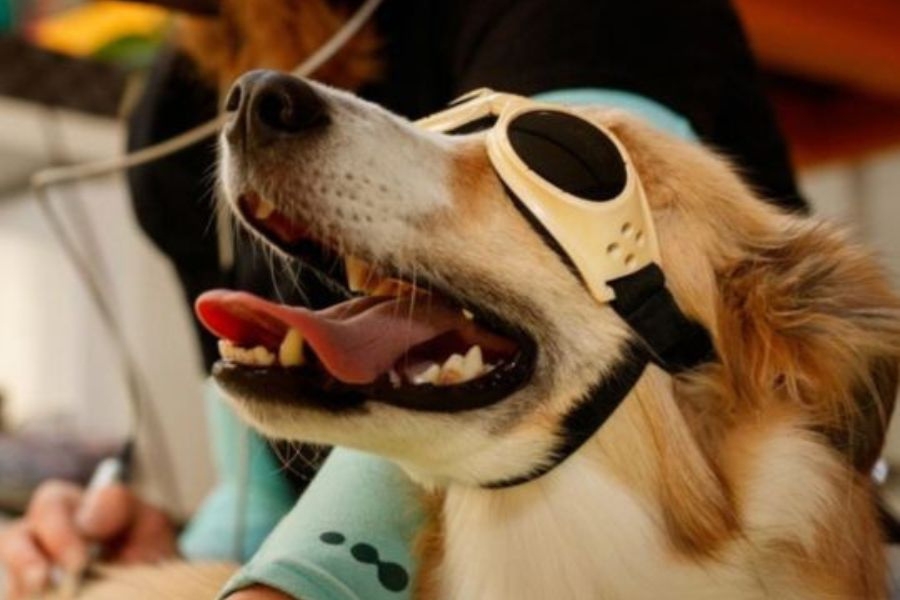
Yes, laser therapy is widely considered safe for dogs. The process is non-invasive and does not involve anesthesia. When performed by a trained veterinary professional, the risk of complications is extremely low. Eye protection may be used to safeguard both your pet and the operator from the laser beam.
How Many Sessions Will My Dog Need?
Every dog is different. For chronic arthritis, veterinarians usually recommend starting with two to three sessions per week for the first few weeks. Once improvements are noticeable, the frequency is reduced to maintenance sessions—often once every two to four weeks.
Laser therapy has emerged as a powerful, non-invasive solution for managing your dog’s arthritis pain. It reduces inflammation, enhances mobility, and improves overall well-being without the risks of medications or surgery.
If you’re seeking a holistic and effective way to relieve your dog’s joint pain, pet laser therapy in Tuckahoe, NY, may be the ideal option. Speak to your local veterinarian today to find out if this treatment is right for your dog.
FAQs
1. Does laser therapy hurt my dog?
Ans: No, laser therapy is completely painless. Most dogs find it soothing and enjoy the experience.
2. How soon will I see results?
Ans: Some dogs show improvement after one session, but consistent results typically appear after 3–5 treatments.
3. Is laser therapy suitable for all dogs?
Ans: Yes, but dogs with certain conditions, like cancer, may not be candidates. Always consult your veterinarian.
4. How long does each session take?
Ans: Sessions typically last 5–20 minutes, depending on the size and severity of the treated area.
5. Can laser therapy replace medications?
Ans: It can reduce the need for medications but may not fully replace them in severe cases. It’s best used as part of a multi-modal treatment plan.
6. Will my dog need ongoing treatments?
Ans: For chronic arthritis, maintenance sessions are often needed to keep pain under control and maintain mobility.