Pet Portal


How Microchipping Can Help Find Your Lost Pet Quickly
Losing a pet is every pet owner’s nightmare. In the blink of an eye, your beloved companion could slip out an open door or dig under a fence. While collars and tags help, they can fall off or become unreadable. Fortunately, microchipping offers a permanent, reliable solution that significantly increases the chances of reuniting with your lost pet.
What Is Microchipping?
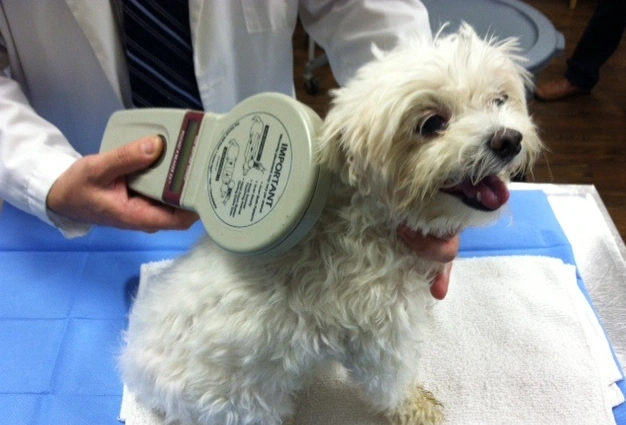
A microchip is a tiny electronic chip, roughly the size of a grain of rice, implanted just under your pet’s skin—usually between the shoulder blades. It contains a unique identification number that can be read with a handheld scanner. This ID number links to your contact details in a secure pet recovery database. As a result, when someone finds your pet and brings it to a vet or shelter, a quick scan can lead them directly back to you.
Why Is Microchipping So Effective?
Many lost pets are brought to shelters or veterinary clinics. Without proper ID, it can be difficult or impossible to return them to their owners. That’s where microchips come in. Because they are registered with your up-to-date contact information, they act as a direct line back to you when your pet is found.
According to the American Veterinary Medical Association, microchipped dogs are returned to their owners 2.5 times more often than those without chips. For cats, the numbers are even more dramatic—microchipped cats are over 20 times more likely to make it home.
Benefits of Microchipping Your Pet
Living in Tuckahoe, NY, you might assume your pet is safe within your neighborhood. However, animals can escape through doors, backyards, or during a walk. Here’s why microchipping is a smart, proactive move:
1. Permanent Identification
Unlike collars or ID tags that can break, fade, or fall off, a microchip stays in place for life.
2. Faster Recovery
When your pet is found, shelters and clinics can instantly contact you. No waiting, no guessing.
3. Safe and Quick Procedure
Microchipping is painless, affordable, and only takes a few seconds.
4. Cost-Effective
The average cost of microchipping ranges between $30–$50, making it one of the most affordable safeguards you can provide for your pet.
5. Widespread Use
Veterinarians and shelters across the U.S. routinely scan for microchips, making recovery possible even if your pet travels far.
How to Get Your Pet Microchipped
The process is simple and stress-free:
- Book an appointment with a local vet offering microchipping in Tuckahoe, NY.
- Implant the chip, typically done during a regular check-up.
- Register the chip with your contact information in a reputable national pet registry.
- Update information regularly—especially if you move or change phone numbers.
Success Story: A Local Reunion
Last winter, a Labrador named “Bailey” slipped out during a snowstorm in Tuckahoe. Despite hours of searching, the owners had no luck. Thankfully, Bailey had been microchipped six months earlier. A good Samaritan found her the next morning and took her to a local vet. Within ten minutes, Bailey’s chip was scanned, her family was contacted, and a joyful reunion followed. Without that chip, she may have ended up in a shelter miles away.
If you love your pet, microchipping is one of the best decisions you can make for their safety. Collars can fall off. Tags can fade. But a microchip is forever.
By choosing to microchip in Tuckahoe, NY, you’re taking a proactive step that could make all the difference in reuniting with your furry family member. Talk to your vet today and get your pet chipped – it’s fast, affordable, and incredibly effective.
Frequently Asked Questions (FAQs)
1. Does microchipping hurt my pet?
No. The process is quick and similar to a routine vaccination. Most pets barely notice it.
2. How much does microchipping cost in Tuckahoe, NY?
The average cost ranges from $25 to $50, depending on the clinic. Some shelters offer discounts or special events.
3. Can a microchip track my pet’s location?
No. Microchips do not have GPS functionality. They only provide identification when scanned.
4. What happens if I change my address or phone number?
You must update your contact info with the microchip registry. Keeping it current is essential for successful recovery.
5. Will all vets and shelters scan for a microchip?
Yes. Most veterinary offices and animal shelters have universal scanners and routinely check for microchips in lost pets.
6. Is microchipping required by law in Tuckahoe, NY?
While not mandatory, it is strongly recommended and often required by shelters for pet adoption.