
Pet Portal


How To Keep Your Senior Cat Happy & Healthy
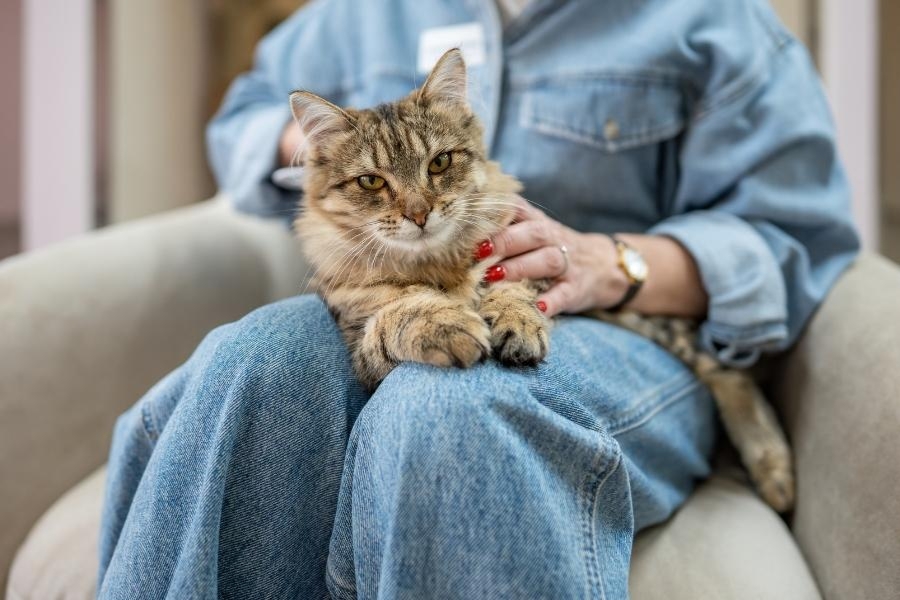
As cats age, their needs change, and providing the right care becomes essential to ensure they live a comfortable, fulfilling life. Senior cats, typically aged 10 and above, require special attention to maintain their physical and mental health. With proper care, you can help your furry companion thrive in their golden years. This guide will explore actionable tips for keeping your senior cat happy and healthy.
1. Provide a Nutritious, Senior-Friendly Diet
First and foremost, diet plays a crucial role in senior cat health. Aging cats often face decreased metabolism, dental issues, and digestive sensitivities. Therefore, it’s important to choose high-quality, easily digestible food formulated for older cats.
Look for foods rich in protein but low in phosphorus and sodium, as these help maintain kidney and heart health. Additionally, wet food can be particularly beneficial because it increases hydration, which is vital for preventing urinary tract issues that are common in senior cats.
Transitioning your cat’s diet should be gradual to avoid digestive upset. Slowly mix the new food with the old over 7–10 days, increasing the proportion of the senior formula each day.
2. Encourage Regular Exercise and Mental Stimulation
Although older cats may be less active, physical and mental exercise remains essential. Interactive toys, such as feather wands or puzzle feeders, help maintain agility and cognitive function. Short, gentle play sessions throughout the day can prevent obesity and keep your cat engaged.
Scratching posts and climbing structures can also provide exercise while satisfying natural instincts. Remember, older cats may prefer lower-level structures or softer surfaces to accommodate joint stiffness.
3. Schedule Regular Veterinary Checkups
Routine veterinary visits are crucial for detecting age-related health issues early. Senior cats are prone to kidney disease, diabetes, hyperthyroidism, and arthritis. Scheduling checkups every six months can help monitor your cat’s weight, dental health, and organ function.
Additionally, discuss vaccinations and parasite prevention with your vet. Even indoor cats require protection from diseases like feline leukemia or parasites that can affect their health.
4. Maintain Dental Health
Dental problems are common among senior cats and can significantly affect their quality of life. Gum disease, tooth decay, and oral pain may lead to decreased appetite or behavioral changes.
Brush your cat’s teeth regularly with a feline-safe toothpaste. If brushing is difficult, dental chews or toys designed to reduce plaque can help. Regular professional dental cleanings at the veterinarian are also recommended.
5. Create a Comfortable Living Environment
As cats age, they may experience reduced mobility or sensitivity to temperature changes. Providing cozy, easily accessible resting spots is key. Soft bedding placed in warm, draft-free areas encourages relaxation.
Make litter boxes accessible and ensure they have low sides for easy entry. Consider adding ramps or steps to help your cat reach favorite resting spots or the bed without jumping.
6. Monitor Behavior and Health Changes
Senior cats may exhibit subtle changes in behavior or physical condition. Keep an eye out for decreased appetite, weight loss, excessive grooming, or lethargy. Early detection of these signs can lead to timely veterinary intervention and prevent serious health issues.
Journaling your cat’s eating, drinking, and bathroom habits can help identify patterns that require attention. Additionally, noting changes in mood or activity levels can provide insight into their overall well-being.
7. Provide Companionship and Emotional Care
Emotional well-being is just as important as physical health. Spend quality time with your cat through gentle petting, interactive play, or simply sitting together. Many senior cats enjoy quiet companionship, and consistent interaction helps prevent stress and anxiety.
Some cats may benefit from pheromone diffusers or calming supplements designed to reduce stress, especially if there are changes in the household environment.
Conclusion
Caring for a senior cat requires dedication, but the rewards are immeasurable. By focusing on nutrition, regular veterinary care, exercise, dental health, comfort, and emotional well-being, you can ensure your feline companion enjoys their later years to the fullest. If you are searching for expert senior cat care in Tuckahoe, NY, local veterinarians and pet care specialists can provide personalized guidance tailored to your cat’s unique needs.
FAQs
Q1. At what age is a cat considered a senior?
Ans. Cats are typically considered senior at around 10 years of age, though some breeds may show signs earlier.
Q2. How often should I take my senior cat to the vet?
Ans. Veterinarians recommend checkups every six months to monitor health and catch age-related issues early.
Q3. What is the best diet for a senior cat?
Ans. A high-protein, low-phosphorus diet, often formulated specifically for older cats, is ideal. Wet food can also help maintain hydration.
Q4. How can I keep my senior cat active?
Ans. Use gentle interactive toys, short play sessions, climbing structures, and puzzle feeders to provide both physical and mental stimulation.
Q5. What are common health issues in senior cats?
Ans. Senior cats are prone to kidney disease, arthritis, hyperthyroidism, dental problems, and diabetes. Regular vet visits help detect these issues early.
Q6. How can I make my home comfortable for a senior cat?
Ans. Provide soft, accessible bedding, low-sided litter boxes, and ramps or steps to reach favorite spots. Ensure the environment is quiet and warm.