
Pet Portal


How to Prepare for Your Pet’s First Vet Visit: Essential Tips for Pet Owners
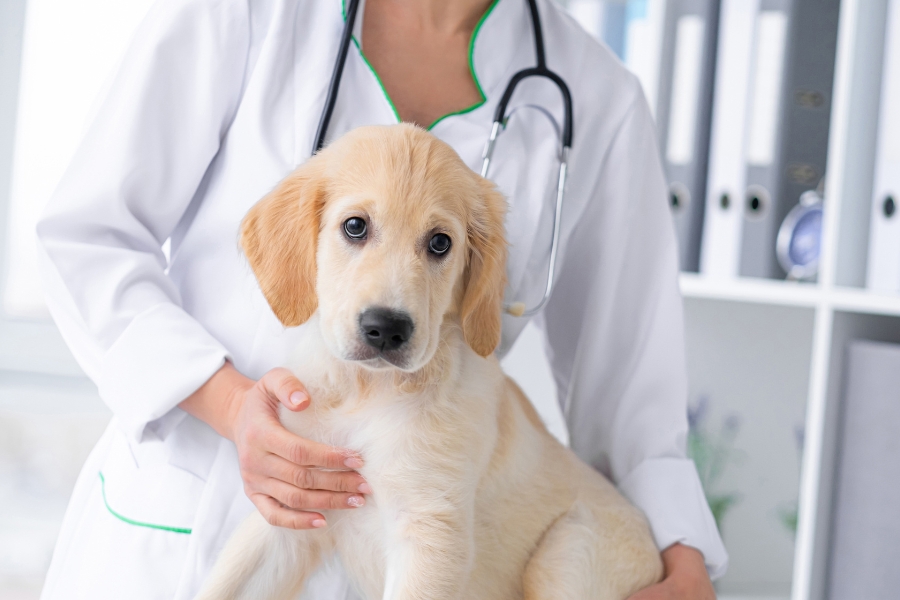
Bringing your new pet to the vet for the first time can be an exciting yet nerve-wracking experience. Whether you’ve just adopted a puppy, kitten, or an older animal, a vet visit is essential for ensuring your pet’s health and well-being. However, preparing for that visit is key to making the experience as smooth as possible for both you and your pet.
In this post, we’ll walk you through the steps to prepare for your pet’s first vet visit, including what to bring, how to calm your pet, and what to expect during the appointment.
1. Schedule the Appointment in Advance
When it comes to your pet’s first vet visit, planning ahead is important. Ideally, schedule the appointment as soon as you bring your pet home, especially if it’s a puppy or kitten, so they can begin their vaccinations and health check-ups early. It’s always a good idea to choose a veterinary office that specializes in the type of pet you have, ensuring they’re familiar with the specific care needs of your animal.
If your pet is coming from an animal shelter, make sure to provide the vet with any health history or vaccination records available. This will allow your vet to get a head start on their care.
2. Gather Important Documents
Before heading to the vet, make sure you’ve gathered the following documents:
- Adoption Papers (if applicable): This includes the pet’s breed, age, and any prior medical history.
- Vaccination Records: If your pet has received any vaccinations or treatments, bring the paperwork to avoid unnecessary repeat treatments.
- Pet Insurance Information: If you have pet insurance, bring your policy details for the vet to keep on file.
Having these documents ready will help the vet assess your pet’s health history more accurately and ensure they receive the proper care.
3. Make Your Pet Comfortable During Travel
The journey to the vet can be stressful for your pet, especially if it’s their first time in a carrier or car. To help ease your pet’s anxiety:
- Use a Comfortable Carrier: Make sure your pet’s carrier is safe, comfortable, and appropriately sized. For puppies and kittens, line it with a soft blanket to create a cozy environment.
- Familiar Smells: Consider placing a toy or a piece of your clothing in the carrier. Familiar scents can help comfort your pet during the ride.
- Calm Your Pet: Speak in a calm and soothing voice, and avoid any loud noises that might further distress your pet.
If your pet gets motion sick, it’s worth mentioning this to your vet in advance. They can provide advice on how to make the car ride more comfortable for them.
4. Prepare Yourself for the Visit
While your pet may be nervous about the visit, you should also prepare mentally. It’s completely normal to feel anxious about your pet’s first appointment. Here are a few things to keep in mind:
- Know the Vet’s Procedures: Ask about the vet’s typical procedures during a first visit. Will they be administering vaccinations or conducting a full exam? Understanding the process will help you manage your expectations and feel more prepared.
- Be Ready to Ask Questions: You may have questions about your pet’s behavior, diet, or overall health. Make a list of concerns to discuss with your vet. Don’t hesitate to ask for advice on caring for your new pet.
- Arrive Early: Arriving at least 15 minutes before your appointment will give you time to complete any necessary paperwork and ensure a smooth start.
5. What to Expect During the Appointment
When you arrive at the vet’s office, you may be greeted by a friendly receptionist or nurse who will take your pet’s details and medical history. Then, a veterinarian will perform a thorough physical exam of your pet, which typically includes:
- Checking Vital Signs: The vet will check your pet’s temperature, pulse, and breathing.
- Vaccinations: If your pet hasn’t received vaccinations, the vet will administer them as necessary.
- Parasite Control: Your vet may discuss options for flea, tick, and heartworm prevention.
- General Health Check: Expect the vet to check your pet’s eyes, ears, mouth, and coat. They’ll also assess your pet’s weight, growth, and overall development.
6. Post-Visit Care and Follow-Up
After the appointment, your vet will provide you with a care plan that may include scheduled vaccinations, treatments, or dietary recommendations. If your pet needs any follow-up visits, make sure to schedule them right away to stay on top of your pet’s health.
For puppies and kittens, additional visits for vaccinations, deworming, and spaying/neutering may be recommended. Ask your vet for a timeline to keep track of future appointments.
Your pet’s first vet visit is a critical step in ensuring their long-term health and happiness. By following these tips and preparing both your pet and yourself, you can make the experience as smooth and stress-free as possible. Don’t forget to call your local veterinarian in Tuckahoe, NY, to schedule your pet’s first appointment and get personalized advice on their care.
FAQs
Q1. What should I bring to my pet’s first vet visit?
Ans. You should bring adoption papers, vaccination records, and any health documents you have. If you have pet insurance, bring that information too.
Q2. How can I calm my pet during the car ride to the vet?
Ans. Use a comfortable carrier, add familiar items like a blanket or toy, and speak to your pet in a calm voice to reduce anxiety.
Q3. What can I expect during my pet’s first visit?
Ans. Expect a full physical exam, vaccinations, and discussions about your pet’s health. The vet will also check for parasites and provide guidance on ongoing care.
Q4. How do I know if my pet needs vaccines?
Ans. Your vet will review your pet’s medical history and advise you on the necessary vaccines based on their age, breed, and lifestyle.
Q5. Can I ask the vet questions during the visit?
Ans. Absolutely! Bring a list of concerns or questions to ensure you leave with all the information you need for your pet’s health.
Q6. How often should I take my pet to the vet?
Ans. Routine vet visits are essential, especially for puppies and kittens. Generally, pets should have a check-up every year, but your vet may recommend more frequent visits for young or senior pets.