Pet Portal


How Veterinary Laser Therapy Reduces Pain and Inflammation in Pets
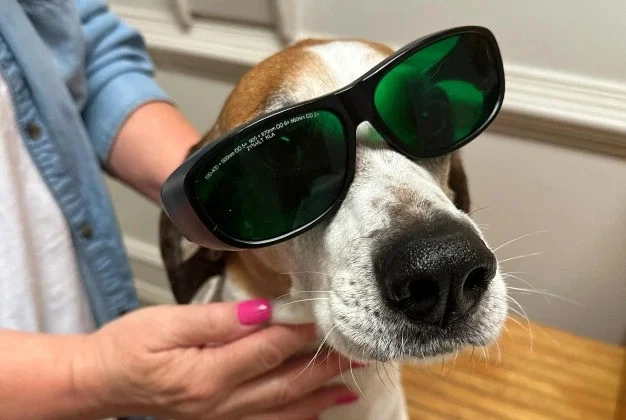
Pain and inflammation can quietly change a pet’s life. A once-playful dog may hesitate to climb stairs, while a senior cat might stop jumping onto favorite spots. Often, these changes occur due to chronic conditions, injuries, or post-surgical discomfort. Fortunately, advances in veterinary care now offer effective, non-invasive solutions. One of the most trusted options is veterinary laser therapy.
Veterinary laser therapy helps reduce pain and inflammation while supporting the body’s natural healing process. Because it is gentle and drug-free, many veterinarians recommend it as part of a comprehensive treatment plan. Let’s explore how this therapy works and why it has become a valuable tool in modern pet healthcare.
What Is Veterinary Laser Therapy?
Veterinary laser therapy uses focused light energy to stimulate healing at the cellular level. Unlike surgical lasers, this therapy does not cut tissue or generate heat that causes damage. Instead, it delivers low-level light that penetrates deep into muscles, joints, and soft tissues.
Once the light reaches damaged cells, it triggers a biological response. Cells absorb the energy and begin producing more adenosine triphosphate (ATP), which fuels repair and regeneration. As a result, tissues heal faster, swelling decreases, and pain signals lessen.
How Laser Therapy Reduces Pain in Pets
Pain often comes from injured tissues or irritated nerves. Veterinary laser therapy addresses both causes directly.
First, laser therapy stimulates the release of endorphins. These natural chemicals help block pain signals, allowing pets to feel relief without sedation or medication. Consequently, many pets appear more relaxed after treatment.
Next, laser therapy decreases nerve sensitivity. Inflamed nerves often overreact, sending constant pain signals to the brain. However, laser light calms these nerves, reducing discomfort over time.
Additionally, improved blood circulation plays a key role. Better circulation delivers oxygen and nutrients to damaged tissues. Therefore, the body can repair itself more efficiently, leading to long-term pain reduction rather than temporary relief.
How Laser Therapy Controls Inflammation
Inflammation is a natural response to injury, but prolonged inflammation can delay healing. Veterinary laser therapy helps regulate this process effectively.
Laser light causes blood vessels to expand, improving circulation in inflamed areas. As a result, waste products and inflammatory chemicals move out of tissues more quickly. At the same time, healing nutrients flow in, speeding recovery.
Moreover, laser therapy enhances lymphatic drainage. This process reduces fluid buildup around joints and muscles, which helps minimize swelling. Because of this, pets with arthritis, sprains, or soft tissue injuries often show noticeable improvement after treatment.
Conditions Commonly Treated with Laser Therapy
Veterinary laser therapy supports healing for many conditions. Because it is safe and adaptable, veterinarians use it for both short-term injuries and chronic problems.
Common conditions include:
- Arthritis and joint degeneration
- Hip dysplasia
- Muscle strains and ligament injuries
- Back and neck pain
- Post-surgical inflammation
- Wound healing and skin conditions
- Tendon and soft tissue damage
Since laser therapy works at the cellular level, it addresses the root cause of pain rather than masking symptoms.
Faster Recovery After Surgery or Injury
Post-surgical recovery can be challenging for pets. Swelling, stiffness, and discomfort often slow the healing process. Veterinary laser therapy plays a vital role in reducing these complications.
By stimulating cell regeneration, laser therapy helps surgical sites heal faster. Additionally, it reduces scar tissue formation, which improves flexibility and movement. As a result, pets regain strength and mobility sooner.
Furthermore, reduced pain allows pets to move more naturally during recovery. This movement supports muscle health and prevents stiffness, leading to better long-term outcomes.
Stress-Free and Comfortable Treatment Experience
One major advantage of veterinary laser therapy is how comfortable it is for pets. The procedure is painless and does not require anesthesia. In fact, many pets remain calm or even fall asleep during sessions.
Each treatment typically lasts between five and fifteen minutes. Because the therapy is gentle, veterinarians can safely perform multiple sessions over time. This flexibility allows for customized treatment plans based on the pet’s condition and response.
Since laser therapy has no known side effects when administered properly, pet owners can feel confident choosing it for ongoing care.
Improved Mobility and Quality of Life
Pain and inflammation often limit movement, which can lead to weight gain, muscle weakness, and behavioral changes. Veterinary laser therapy helps reverse this cycle.
As pain decreases, pets move more freely. Consequently, they become more active and engaged in daily activities. Increased mobility also strengthens muscles and supports joint health.
For senior pets, laser therapy can be life-changing. Many older animals regain energy and comfort, allowing them to enjoy walks, playtime, and interaction again. Ultimately, this improvement enhances both physical and emotional well-being.
Why Veterinarians Trust Laser Therapy
Veterinarians value laser therapy because it complements traditional treatments. It works well alongside medications, physical therapy, and rehabilitation programs.
Unlike some treatments that only suppress symptoms, laser therapy encourages true healing. Because it improves cellular function, results often last longer. Therefore, many veterinarians include laser therapy in long-term pain management strategies.
As technology advances, laser therapy continues to gain recognition as a reliable, evidence-based treatment option in veterinary medicine.
Veterinary laser therapy offers a safe, non-invasive approach to managing pain and inflammation in pets. By improving circulation, calming nerves, and accelerating tissue repair, it supports natural healing and long-term comfort. When considering modern treatment options, the benefits of veterinary laser therapy make it an excellent choice for enhancing mobility, recovery, and overall quality of life for pets.
FAQs
Q1. Is veterinary laser therapy safe for all pets?
Ans. Yes, veterinary laser therapy is safe for dogs, cats, and many other animals when performed by trained veterinary professionals.
Q2. How many laser therapy sessions does my pet need?
Ans. The number of sessions depends on the condition. Acute injuries may require fewer sessions, while chronic conditions may need ongoing treatment.
Q3. Does laser therapy hurt pets?
Ans. No, laser therapy is painless. Most pets feel warmth and relaxation during treatment.
Q4. Can laser therapy replace medication?
Ans. Laser therapy can reduce the need for medication, but it often works best as part of a comprehensive treatment plan recommended by your veterinarian.
Q5. How quickly will I see results?
Ans. Some pets show improvement after the first session, while others need multiple treatments for noticeable results.
Q6. Are there any side effects of veterinary laser therapy?
Ans. There are no known side effects when the therapy is administered correctly by a qualified veterinarian.