
Pet Portal


Keep Your Pet Healthy with Proper Dental Care: Complete Guide for Pet Owners
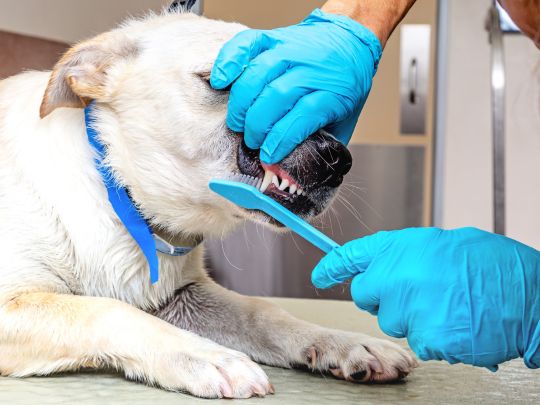
Proper dental care is essential for your pet’s overall health and happiness. Just like humans, pets can suffer from dental problems that may lead to pain, infection, and even systemic health issues if left untreated. Therefore, pet owners must understand the importance of maintaining their furry friends’ oral hygiene. This complete guide will walk you through everything you need to know to keep your pet’s teeth and gums in optimal condition.
Why Is Dental Care Important for Pets?
Dental health is often overlooked by pet owners, yet it plays a crucial role in your pet’s well-being. Poor dental hygiene can cause plaque and tartar buildup, which may lead to gingivitis, periodontal disease, and tooth loss. In more severe cases, bacteria from infected gums can enter the bloodstream, affecting vital organs such as the heart, liver, and kidneys.
Moreover, dental pain can cause changes in your pet’s behavior, including decreased appetite, irritability, and difficulty chewing food. By prioritizing dental care, you not only prevent these issues but also ensure your pet remains comfortable and happy.
Signs Your Pet Needs Dental Care
Recognizing early signs of dental problems can save your pet from unnecessary pain and costly treatments. Some common symptoms to watch for include:
- Bad breath (halitosis)
- Red or swollen gums
- Excessive drooling
- Difficulty eating or chewing
- Loose or missing teeth
- Pawing at the mouth or face
- Yellow or brown buildup on teeth
If you notice any of these signs, schedule a visit to your veterinarian as soon as possible.
How to Maintain Your Pet’s Dental Health
1. Regular Brushing
The most effective way to maintain your pet’s dental hygiene is by brushing their teeth regularly. Start by using a pet-specific toothbrush and toothpaste, as human toothpaste can be harmful to animals. Aim to brush your pet’s teeth daily or at least several times a week. Although it may take some time for your pet to get used to this routine, consistency will make it easier over time.
2. Provide Dental Chews and Toys
Dental chews and toys designed for pets can help reduce plaque and tartar buildup by mechanically cleaning teeth as your pet chews. These products also stimulate gums and promote saliva production, which helps maintain oral health. However, always supervise your pet to prevent choking or swallowing large pieces.
3. Feed Dental-Friendly Diets
Certain pet foods are formulated to support dental health by reducing plaque accumulation. These diets typically include larger kibble size or specialized textures that help clean teeth during chewing. Consult your veterinarian to determine if your pet would benefit from a dental-specific diet.
4. Schedule Regular Veterinary Dental Check-ups
Routine veterinary dental exams are critical for detecting problems early and providing professional cleanings when necessary. During these visits, your veterinarian will examine your pet’s mouth, remove plaque and tartar, and may perform X-rays to evaluate the health of teeth beneath the gum line.
At-Home Dental Care Tips
In addition to brushing and offering dental chews, there are several simple steps you can take at home to support your pet’s dental health:
- Wipe your pet’s teeth and gums with a damp cloth if brushing is difficult.
- Offer fresh water daily to help wash away food particles.
- Avoid feeding your pet sugary or sticky treats that contribute to tooth decay.
- Monitor your pet’s oral health regularly and report any changes to your vet promptly.
Common Dental Problems in Pets
Understanding common dental issues can help you identify problems early and seek treatment:
- Gingivitis: Inflammation of the gums caused by plaque buildup.
- Periodontal Disease: Advanced gum disease that damages the tissue and bone supporting teeth.
- Tooth Fractures: Broken teeth can result from trauma or chewing hard objects.
- Oral Tumors: Unusual growths in the mouth that require veterinary evaluation.
- Tooth Root Abscesses: Painful infections at the root of a tooth, often requiring extraction.
In conclusion, maintaining your pet’s dental health is essential for their overall well-being and happiness. By establishing a regular brushing routine, providing dental-friendly treats and toys, and scheduling professional veterinary check-ups, you can help prevent common dental problems and ensure your pet enjoys a comfortable, pain-free life. Remember, good dental care is a vital part of responsible pet ownership that leads to a healthier, happier companion. Prioritize your pet’s oral health today for a brighter smile tomorrow!