Pet Portal


What Pet Owners Often Miss When Managing Preventative Care at Home
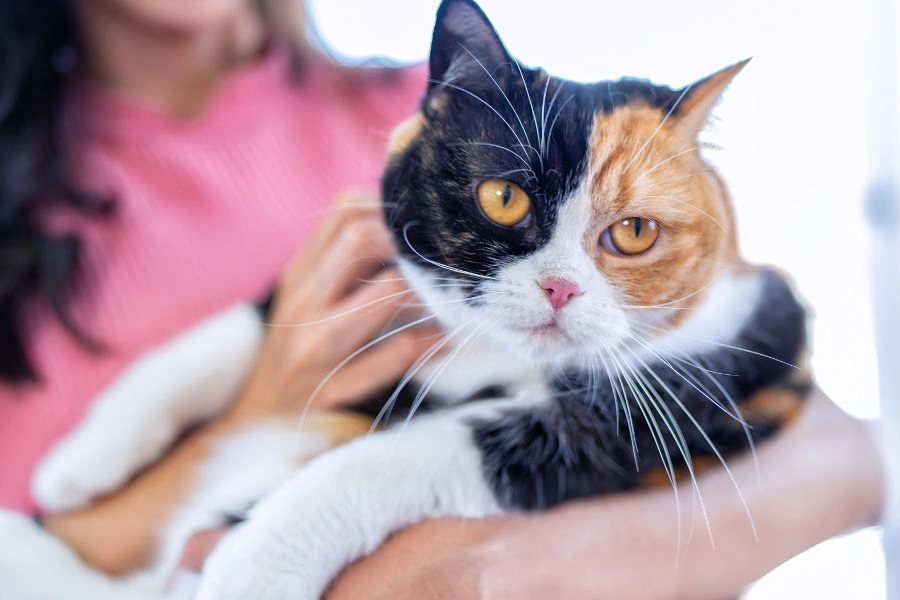
Taking care of a pet at home involves much more than providing food, water, and a comfortable place to sleep. Everyday habits can have a meaningful impact on your pet’s long term health, yet some important parts of pet preventative care are easy to overlook.
Pets often hide subtle changes in their health. A gradual change in appetite, weight, behavior, activity, grooming, or bathroom habits may be difficult to recognize when you see your pet every day. Routine observation at home, combined with professional veterinary care, can help you notice changes earlier.
For pet owners in Tuckahoe, understanding what to monitor between veterinary visits can make preventative care more consistent. At Tuckahoe Animal Hospital & Pet Center, your veterinary team can help you understand your pet’s individual wellness needs and discuss concerns you notice at home.
Preventative Care Is More Than a Veterinary Visit
A pet wellness exam is an important part of preventative care, but it is only one piece of the overall picture. Your pet’s health is influenced by daily nutrition, activity, dental care, grooming, behavior, weight, environment, and routine.
Home observation gives you an opportunity to notice changes between appointments. Your veterinarian can then use those observations alongside a physical examination and medical history to assess your pet more thoroughly.
Instead of waiting until a problem becomes obvious, think of preventative care as an ongoing process that happens both at home and in the veterinary clinic.
Weight Changes Can Be Easy to Miss
Gradual weight changes are among the things pet owners may overlook. Because you see your pet regularly, a small change may not immediately stand out.
However, weight can provide useful information about overall health. Unexpected weight gain may be related to changes in diet, portions, activity, or other factors. Unexplained weight loss can also deserve attention.
Regularly observing your pet’s body shape and keeping track of their weight when appropriate can help you notice trends. During a pet wellness exam, your veterinarian can evaluate body condition and discuss nutrition and activity based on your pet’s individual needs.
Appetite Changes Should Not Be Dismissed
Pets can occasionally eat more or less than usual, but persistent changes in appetite are worth noticing.
Pay attention to whether your pet suddenly leaves food behind, seems unusually hungry, takes longer to eat, or shows less interest in meals.
It can also be helpful to observe how your pet behaves around food. Changes in chewing, difficulty eating, or unusual reactions to food may provide additional clues.
Keeping track of these changes can make it easier to provide useful information during a veterinary appointment and support better pet preventative care.
Dental Health Is Often Overlooked
Dental care is another area that can easily be missed at home. Pets may develop plaque and other oral health concerns without making the problem obvious to their owners.
Bad breath, changes in chewing, dropping food, excessive drooling, or sensitivity around the mouth may indicate that your pet’s oral health deserves attention.
Even when your pet appears comfortable, regular veterinary dental assessments can help identify concerns that may not be easy to see at home.
Ask your veterinary team about appropriate home dental care for your individual pet and how oral health can fit into their overall preventative care routine.
Changes in Behavior Can Provide Important Clues
Behavior is one of the most useful things to monitor at home. You know your pet’s normal personality, which means you may be the first person to notice something different.
A normally energetic dog may become less interested in play. A social cat may begin hiding more often. A pet that usually enjoys being handled may suddenly avoid contact.
Behavioral changes can have many possible causes, including changes in the home environment or physical health concerns. That does not mean every behavioral difference indicates illness, but persistent or unusual changes should be discussed with your veterinarian.
Activity Levels Matter
Daily activity is an important part of pet health. However, the right amount of activity varies by species, breed, age, body condition, and individual personality.
A pet that becomes less active may be experiencing a lifestyle change, weight gain, aging, or another concern. An unusual increase in activity or restlessness may also be worth noting.
Pay attention to how your pet walks, runs, climbs stairs, plays, and gets up after resting. These everyday observations can provide valuable information during a pet wellness exam.
Your veterinarian can help you understand whether your pet’s current activity level is appropriate and suggest ways to support healthy movement.
Grooming Changes Can Be Important
Changes in grooming habits can sometimes go unnoticed. Dogs may develop changes in coat condition, while cats may groom more or less frequently than usual.
Look for changes such as excessive licking, scratching, hair loss, tangled fur, dry skin, or areas your pet repeatedly focuses on.
Regular brushing can make it easier to become familiar with your pet’s skin and coat. It also provides an opportunity to notice changes that may otherwise remain hidden.
If you find something unusual, avoid assuming it will resolve on its own. Mention persistent changes to your veterinary team.
Bathroom Habits Deserve Attention
Changes in urination or bowel movements can provide useful information about your pet’s health.
For dogs, observe changes in bathroom frequency, stool appearance, or difficulty passing stool. For cats, litter box habits can be particularly informative.
If your pet suddenly begins having accidents, strains during elimination, changes frequency, or develops an unusual pattern, make a note of the change.
Knowing your pet’s normal habits makes it easier to recognize when something is different. This is another simple but valuable part of pet preventative care.
Nutrition Should Match Your Pet’s Lifestyle
Feeding the same amount throughout your pet’s life may not always be appropriate. Nutritional needs can change as pets grow older or experience changes in activity.
A highly active pet may have different energy requirements from a pet that spends most of the day resting. Weight, body condition, age, and existing health considerations can also influence nutritional recommendations.
Treats should also be considered when evaluating your pet’s overall food intake.
During a pet wellness exam, discuss your pet’s diet with your veterinarian. They can help you evaluate whether the current feeding routine is suitable for your pet’s individual circumstances.
Home Observation Does Not Replace Veterinary Care
One common mistake is assuming that careful observation at home can replace professional veterinary examinations.
Home monitoring is valuable, but veterinarians can identify changes that may not be apparent to owners. A physical examination provides information about your pet’s overall condition and creates an opportunity to discuss nutrition, behavior, dental health, weight, and other wellness factors.
Routine veterinary visits can also provide a useful comparison over time. Your veterinarian can evaluate whether your pet’s current condition differs from previous examinations.
Keep Simple Health Notes Between Visits
You do not need an elaborate system to monitor your pet. A simple record can be enough.
Note changes in appetite, weight, activity, behavior, grooming, drinking, urination, bowel movements, and other daily habits. If your pet takes medication or follows a particular diet, keeping that information organized can also be helpful.
If you notice something unusual, record when it started and whether it is becoming more frequent.
These details can make conversations with your veterinary team more productive and contribute to more informed pet preventative care.
Make Preventative Care Part of Your Routine
Preventative care works best when it becomes part of everyday pet ownership. Pay attention to your pet’s normal patterns, provide appropriate nutrition and activity, maintain good grooming and dental habits, and keep regular veterinary appointments.
For families in Tuckahoe, Tuckahoe Animal Hospital & Pet Center can help you understand your pet’s individual wellness needs. Your observations at home, combined with professional veterinary care, can create a more complete approach to maintaining your pet’s health.
Schedule an Online Appointment With Tuckahoe Animal Hospital & Pet Center
Have you noticed a change in your pet’s appetite, weight, behavior, activity, grooming, or bathroom habits? Consider scheduling an online appointment with Tuckahoe Animal Hospital & Pet Center in Tuckahoe.
A pet wellness exam gives you an opportunity to discuss your observations and learn how they may fit into your pet’s overall preventative care plan. Regular veterinary attention and thoughtful home monitoring can work together to support your companion’s long term wellness.
Frequently Asked Questions
Q1. What is the most commonly overlooked part of pet preventative care at home?
Ans: Owners may overlook gradual changes in weight, appetite, behavior, dental health, activity, grooming, or bathroom habits because these changes can develop slowly. Regular observation can make them easier to recognize.
Q2. How can I monitor my pet’s health between wellness exams?
Ans: Pay attention to your pet’s normal eating, drinking, activity, behavior, grooming, weight, and bathroom habits. Keeping simple notes about noticeable changes can also help during veterinary visits.
Q3. Does my pet still need a wellness exam if they seem healthy?
Ans: Yes. Pets can hide subtle health changes, and a routine pet wellness exam allows a veterinarian to assess areas that may not be obvious through home observation alone.
Q4. How often should I check my pet’s weight?
Ans: The appropriate frequency depends on your pet’s age, size, health, and individual circumstances. Ask your veterinarian how often weight monitoring would be useful for your pet.
Q5. Can changes in behavior be part of a pet health concern?
Ans: Yes. Changes in behavior can have many causes, but persistent or unusual changes may provide useful information about your pet’s health or wellbeing and should be discussed with your veterinary team.