
Pet Portal


Decoding Feline Hygiene: Why Regular Grooming Matters Even for Indoor Cats
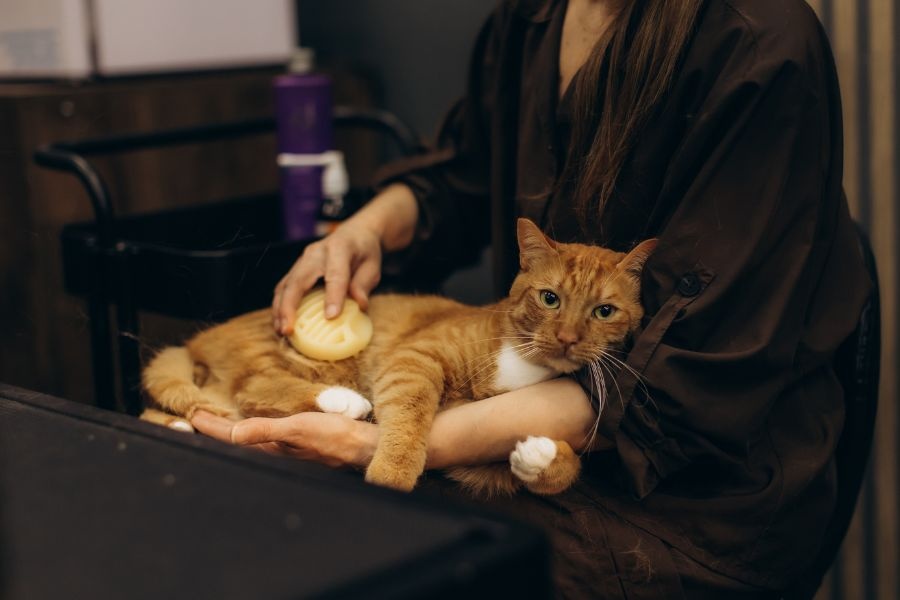
Sharing your home with a feline companion brings an incredible amount of warmth, quiet comfort, and gentle companionship to your daily life. From the soothing rhythm of a purring cat curled in your lap to their playful acrobatics across the living room floor, cats easily secure a permanent place in our hearts. Most pet parents spend hours observing their habits, yet a common misconception persists across households. Because cats seem to spend a large portion of their waking hours meticulously licking and cleaning their fur, many owners assume that felines require zero outside hygiene support.
In reality, self-grooming is only part of the equation. Indoor cats face unique challenges, including indoor shedding cycles, hairball accumulation, and skin sensitivities that tongue-and-teeth grooming alone cannot resolve. Understanding why felines benefit immensely from structured upkeep, how professional cat grooming services prevent painful issues, and what structural advantages come from investing in specialized benefits of brushing short and long hair cats will protect your companion’s health. Here at Tuckahoe Animal Hospital & Pet Center in Tuckahoe, our team frequently guides local pet parents through the essentials of feline coat maintenance. Let us decode the hidden world of cat hygiene and explore why indoor cats truly need a helping hand.
The Illusion of Self-Cleaning: Why Licking Is Not Enough
It is true that cats are famously fastidious animals. Their tongues feature tiny, hook-like structures called papillae that act like a built-in comb, pulling away loose fur and debris during daily grooming sessions. However, this natural behavior comes with distinct physical trade-offs that every cat owner should understand.
When a cat licks their coat, they inevitably swallow a considerable amount of loose, shedding hair. While short-haired cats pass some of this fur naturally, much of it collects in the digestive tract, forming dense hairballs that can lead to frequent vomiting, digestive discomfort, or even dangerous intestinal blockages. Furthermore, excessive self-grooming can sometimes indicate underlying skin irritation, anxiety, or joint discomfort, meaning a cat’s licking routine is not always a sign of a clean, healthy coat. Providing supplemental human brushing and specialized care helps reduce loose hair ingestion and protects your cat’s internal wellness.
Unlocking the Benefits of Brushing Short and Long Hair Cats
Every cat has a unique coat type, meaning coat maintenance is never a one-size-fits-all routine. Whether you share your home with a sleek domestic shorthair or a magnificent long-haired breed like a Persian or Maine Coon, a consistent brushing schedule provides remarkable physiological advantages.
Exploring the distinct benefits of brushing short and long hair cats reveals why proactive coat care is essential:
- For Short-Haired Cats: Regular brushing removes dead undercoat hairs, distributes natural skin oils for a glossy sheen, and minimizes the amount of loose fur floating around your furniture and clothing.
- For Long-Haired Cats: Daily or weekly brushing is non-negotiable to prevent fine hairs from twisting together into tight, suffocating mats that pull painfully on the skin.
- Minimizing Hairball Formation: Capturing loose hairs with a brush before your cat swallows them drastically reduces gastrointestinal upset and hairball episodes.
- Stimulating Circulation: Gentle brushing massages the skin surface, promoting healthy blood flow and encouraging vibrant skin health.
Preventing Painful Matting and Skin Anomalies
When dead fur is left unmanaged, especially in areas prone to friction like the armpits, belly, and behind the ears, it quickly packs down into dense mats. These mats act like miniature tight bands, pulling mercilessly on your cat’s delicate skin. Severe matting restricts airflow, traps moisture, and creates a breeding ground for bacteria, fungal infections, and painful skin ulcers.
Because cats are evolutionary masters at hiding discomfort, they will rarely cry out when mats begin pulling on their skin. Instead, they may become withdrawn, irritable, or sensitive to touch. Professional groomers and veterinary technicians are trained to safely remove severe tangles without risking razor burns or skin cuts. Moreover, because grooming requires parting the fur completely down to the skin, it serves as an incredible opportunity for early detection. Technicians and veterinarians can spot hidden lumps, bumps, scabs, ticks, or flea dirt long before they escalate into major medical concerns.
Partnering with Your Local Tuckahoe Animal Care Team
Navigating your feline companion’s health and hygiene journey is always easier when you have a dedicated group of professionals supporting your family. Blending your careful observations at home with professional care creates an unbeatable safety net for your pet.
The staff at Tuckahoe Animal Hospital & Pet Center loves welcoming local pet families through our doors in Tuckahoe. Whether your cat needs a gentle lion cut for the summer, routine dematting assistance, or a comprehensive health evaluation, we are ready to help. Reach out to our friendly clinic today to chat with our team and schedule your cat’s next professional grooming or wellness visit.
Frequently Asked Questions
Q1. Why do indoor cats still need outside grooming help if they spend hours licking their fur?
Ans: While cats groom themselves daily, they swallow excess loose fur that causes severe hairballs, and they cannot reach hard-to-maintain areas where painful mats develop.
Q2. How often should I brush a long-haired cat compared to a short-haired cat at home?
Ans: Long-haired cats typically require daily brushing to prevent tangles and matting, whereas short-haired cats generally benefit from thorough brushing one to two times a week.
Q3. Can severe fur matting cause actual physical harm or injury to a cat’s skin?
Ans: Yes, tight mats pull constantly on the skin, restricting movement, trapping moisture, and causing painful skin sores, infections, or hidden wounds beneath the surface.
Q4. What are the primary advantages of utilizing professional cat grooming services?
Ans: Professional grooming safely removes stubborn mats, manages shedding, trims nails, cleans ears, and allows trained staff to spot skin abnormalities early.
Q5. How can I help my nervous cat become more comfortable with regular at-home brushing?
Ans: You can help by introducing the brush slowly during quiet moments, offering high-value treats, keeping sessions short, and associating brushing with positive reinforcement.