
Pet Portal


Stress-Free Halloween for Your Dog: Essential Survival Guide for Pet Parents
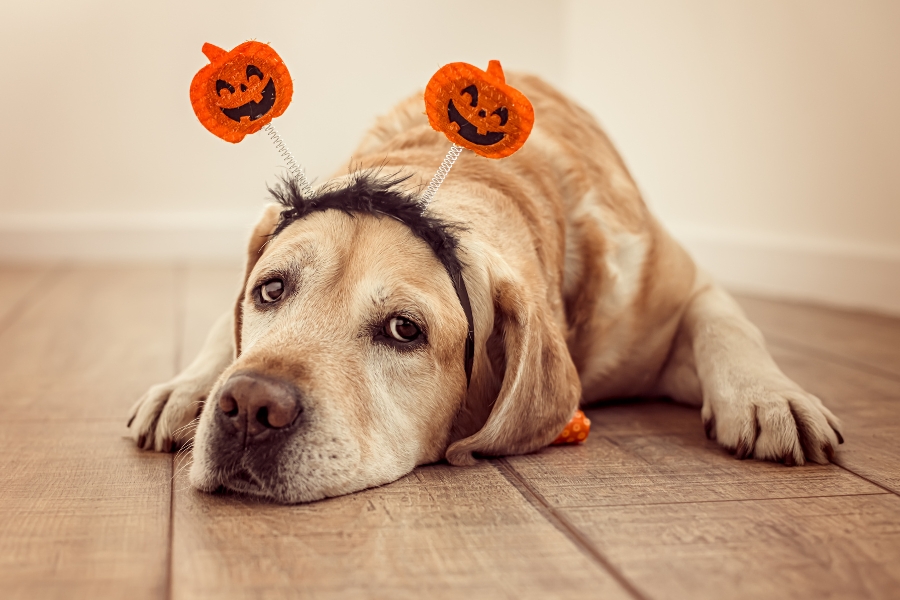
Halloween can be an exciting time filled with costumes, candy, and spooky decorations. However, for many dogs, this festive season brings anxiety, fear, and stress. Loud noises, strangers at the door, and unusual sights can overwhelm your furry friend. As a responsible pet parent, it’s crucial to create a calm and safe environment for your dog during Halloween. In this survival guide, we’ll walk you through effective strategies to ensure your dog enjoys a stress-free Halloween.
Understand Your Dog’s Fear Triggers
First and foremost, recognize what specifically causes stress for your dog during Halloween. For many, it’s the sudden influx of visitors ringing the doorbell or knocking loudly. Others might be frightened by costumes, especially if they involve masks or hats. Additionally, eerie decorations, loud music, and fireworks can trigger anxiety.
By identifying these triggers, you can tailor your approach and prepare in advance. For instance, if your dog is scared of costumes, try exposing them to costumes gradually before Halloween night. This practice can help desensitize them to the unusual appearance.
Create a Safe Space
Next, create a designated safe space in your home where your dog can retreat when Halloween activities become overwhelming. This space should be quiet, comfortable, and away from the front door or areas where trick-or-treaters gather. Use familiar bedding and toys to make it cozy.
Close windows and curtains to block out visual stimuli, and consider playing calming music or white noise to drown out outside sounds. Providing your dog with a crate or a cozy corner can offer a sense of security and reduce stress.
Maintain a Consistent Routine
Dogs thrive on routine. Even during holidays, keeping their feeding, walking, and playtime schedules consistent can help them feel grounded. A familiar routine reduces uncertainty and provides comfort.
If possible, take your dog for a walk earlier in the day, before trick-or-treaters arrive. This way, your dog can expend energy and feel relaxed when the evening chaos begins.
Use Calming Aids
Several products and techniques can help calm your dog during Halloween. Anxiety wraps, such as the Thundershirt, apply gentle pressure that many dogs find soothing. Additionally, natural supplements or pheromone diffusers designed to reduce stress can be effective.
Before introducing any calming aids, consult with your veterinarian to ensure they are safe and appropriate for your dog. Always follow dosage instructions and monitor your dog for any adverse reactions.
Manage Visitors and Doorbell Stress
During Halloween, the doorbell or knocking can cause heightened anxiety in dogs. To minimize stress, consider turning off the doorbell and using a video doorbell to monitor visitors instead. Alternatively, ask a friend or family member to hand out candy outside so your dog isn’t exposed to the front door activity.
If your dog reacts loudly or nervously to strangers, provide treats and positive reinforcement when they remain calm. This helps create a positive association with visitors.
Keep Candy and Decorations Out of Reach
Halloween treats and decorations pose health risks to dogs. Chocolate, xylitol (found in sugar-free candy), and certain nuts are toxic to dogs. Keep all candy stored securely and out of reach. Additionally, avoid decorations with small parts or electrical cords that your dog might chew on.
If you notice any signs of poisoning or ingestion, such as vomiting, diarrhea, or lethargy, seek veterinary help immediately.
Exercise and Mental Stimulation
A well-exercised dog tends to be less anxious. Before Halloween festivities begin, give your dog a vigorous walk or play session. Additionally, mental stimulation through puzzle toys or training exercises can help tire them out and keep their mind off stressful noises.
Regular exercise not only reduces stress but also promotes overall health and well-being.
Monitor Your Dog’s Behavior Closely
Lastly, pay close attention to your dog’s body language and behavior throughout Halloween. Signs of stress include pacing, trembling, hiding, excessive barking, or destructive behavior. If your dog shows extreme anxiety, remove them from the stressful environment immediately.
By staying vigilant, you can intervene early and prevent a stressful situation from escalating.
In conclusion, a stress-free Halloween for your dog is achievable with proper preparation and mindfulness. By understanding your dog’s triggers, creating a safe space, limiting exposure to frightening stimuli, and maintaining routines, you can help your furry friend feel secure. Additionally, using calming products and positive reinforcement encourages relaxation during this hectic holiday. If your dog’s anxiety persists or worsens, be sure to contact your veterinarian for professional advice and support. With these steps, both you and your dog can enjoy a peaceful and safe Halloween.