

Pet Portal


Sudden Vision Loss in Dogs and Cats: Signs Pet Owners Should Never Ignore
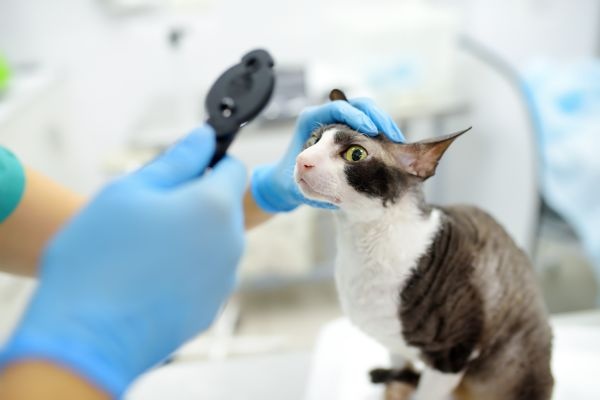
Observing a sudden change in how your dog or cat navigates their surroundings can be an alarming experience for any pet owner. One day your companion moves around furniture with complete confidence, and the next, they hesitate at doorway thresholds, bump into doorframes, or refuse to walk down familiar stairs. Experiencing sudden vision loss in pets is a distinct medical event that requires immediate diagnostic clarity, as acute changes in eyesight often stem from underlying ocular or systemic health shifts.
Because companion animals adapt quickly by relying heavily on smell and hearing, early visual decline can go unnoticed until sight deteriorates significantly. Choosing urgent pet care ensures that veterinary professionals evaluate acute eye changes promptly, protecting remaining sight and providing targeted comfort for non-life-threatening ocular conditions. For pet parents living in Tuckahoe, recognizing subtle changes in eye appearance and movement helps safeguard your companion’s long-term visual health.
Understanding Sudden Vision Loss and Ocular Health
Acute visual changes in companion animals develop across distinct structures within the eye or along the neural pathways connecting the eyes to the brain. Knowing how these issues manifest helps owners act without delay.
Ocular Pressure Changes and Glaucoma
Spontaneous increases in intraocular pressure disrupt delicate optic nerve fibers, leading to rapid visual distortion. Pets experiencing acute ocular hypertension often display cloudy corneas, enlarged pupils, and noticeable eye redness alongside sudden behavioral confusion.
Retinal Detachment and Vascular Strain
Systemic blood pressure shifts or internal inflammation can cause the delicate retinal tissue at the back of the eye to separate from supporting vascular layers. When retinal detachment occurs, light signals no longer transfer effectively to the brain, causing acute loss of eyesight.
Acute Corneal Ulceration and Inflammation
Deep surface scratches or localized inflammatory conditions cause significant pain and corneal clouding. While severe surface irritation compromises immediate visibility, rapid clinical assessment prevents secondary corneal damage and preserves optical clarity.
Recognizing Visual Disturbances: Observation vs. Medical Evaluation
Distinguishing between minor behavioral hesitation and true optical distress is vital when assessing your pet’s eyesight and daily mobility.
Home Observation (Minor External Changes)
If your pet exhibits any of the following subtle signs while maintaining confident movement, clear eyes, and vibrant energy, careful home observation is appropriate:
- Mild, clear watery eye tearing following outdoor play in dusty conditions
- Transient, minor eye squinting that disappears within an hour
- Normal navigational confidence across both brightly lit and dark rooms
- Intact, equal pupil responses when moving between sunlit and shaded areas
Clinical Evaluation (Requires Prompt Care)
If your companion shows signs of sudden visual impairment or active ocular discomfort, seeking urgent vet care prevents further optical complications:
- Bumping into stationary household objects, wall corners, or furniture legs
- Wide, dilated pupils that do not constrict in bright light environments
- Cloudiness, bluish discoloration, or noticeable blood spots within the eye structures
- Relentless pawing at the eye area, frequent head shaking, or severe squinting
- Sudden hesitation when stepping into dimly lit rooms or navigating staircases
Point-of-Care Diagnostics for Eye Conditions
When you seek urgent vet care for optical concerns, expert veterinarian utilize targeted point-of-care tools to inspect eye health and determine the root cause of visual changes.
- Ophthalmic Tonometry Measurement: Evaluates intraocular fluid pressure using a gentle, non-invasive probe to detect pressure elevations instantly.
- Fluorescein Stain Testing: Applies a specialized temporary dye to highlight hidden corneal scratches, surface ulcers, or tissue tears under blue illumination.
- Direct Ophthalmoscopy and Retinal Exam: Examines internal ocular structures, lens clarity, and retinal tissue alignment under magnification.
Combining instant diagnostic feedback with pet-safe anti-inflammatory drops, pressure-reducing medications, or protective ocular gels keeps your pet comfortable while preserving their vital sight.
Supporting Pet Health in Tuckahoe
Protecting your pet’s eyesight relies on careful daily observation and maintaining a consistent home environment. Checking your companion’s eyes during routine petting sessions allows you to spot subtle cloudiness, pupil asymmetry, or redness before mobility is affected.
If you are from Tuckahoe and looking for urgent vet care, taking fast action at the first sign of visual disturbance gives your pet the best opportunity for effective treatment and maximum visual preservation.
Providing timely medical attention when health changes arise preserves your companion’s quality of life and provides complete confidence for your entire family.
Taking Action for Your Pet’s Visual Comfort
When your dog or cat exhibits sudden navigational changes, eye cloudiness, or visible discomfort, securing a prompt clinical evaluation keeps their recovery moving in the right direction. You can schedule an online appointment through our portal to reserve a convenient time for your pet to be examined by our clinical team.
If your companion is actively displaying uncomfortable eye symptoms or sudden visual changes and you prefer to speak directly with our clinical staff before arriving, please call our team at 914-395-1500 so we can offer immediate guidance and prepare for your visit.
Our medical staff looks forward to delivering gentle, expert care for your companion at Tuckahoe Animal Hospital & Pet Center.
Frequently Asked Questions
Q1. Can a pet adapt to sudden vision loss quickly?
Ans: Yes, dogs and cats rely heavily on their acute sense of smell, hearing, and facial whiskers to navigate their surroundings. While sudden vision loss can cause temporary confusion or hesitation, pets often learn to navigate familiar home layouts efficiently once medical treatments stabilize any underlying ocular discomfort.
Q2. What causes a pet’s eyes to suddenly look cloudy or bluish?
Ans: Sudden cloudiness or a bluish tint often indicates fluid accumulation within the cornea, intraocular pressure spikes, or internal inflammation. Because these signs can point to conditions that jeopardize eyesight, a prompt veterinary exam using specialized diagnostic tools is necessary to determine the exact cause.
Q3. Why do a pet’s pupils remain dilated during vision changes?
Ans: When light receptors in the retina or nerve pathways to the brain are disrupted, the eye cannot process incoming light properly. As a result, the pupil remains wide open in an effort to let in more light, failing to constrict normally even in bright outdoor environments.
Q4. Are sudden visual changes painful for dogs and cats?
Ans: Certain underlying causes, such as elevated intraocular pressure or corneal surface ulcers, produce significant physical discomfort, causing pets to squint, paw at their faces, or hide. Other retinal conditions may be painless but cause sudden disorientation, making professional clinical evaluation essential for comfort.
Q5. How can I safely transport a pet experiencing sudden vision loss to the clinic?
Ans: Keep your vehicle quiet, cool, and well-ventilated to minimize anxiety. Carry small pets in a soft, padded carrier, and use a short leash with gentle vocal reassurance for larger dogs. Avoid rearranging furniture at home, and keep transport pathways free of low obstacles during travel.
