Pet Portal


What Is The Best Way To Keep A Dog’s Teeth Clean?
As a pet owner, one of the most important aspects of keeping your dog healthy is taking care of their teeth. Oral hygiene plays a vital role in your dog’s overall well-being, yet it’s often overlooked. Just like humans, dogs are susceptible to dental problems, and poor oral hygiene can lead to serious health issues like gum disease, tooth decay, and bad breath. Fortunately, there are several effective ways to maintain your dog’s dental health and keep their teeth clean. In this blog post, we’ll explore the best ways to keep your dog’s teeth clean and why pet dental care is essential.
Why Is Dog Dental Care Important?
Good dental care is crucial for your dog’s health. Without proper care, plaque and tartar build-up can cause gum disease, tooth loss, and even affect your dog’s organs, such as the heart and kidneys. Studies have shown that dogs with poor oral hygiene are at higher risk of developing other health issues. Regular cleaning not only helps prevent these problems but also ensures your dog maintains fresh breath and a healthy smile.
1. Brushing Your Dog’s Teeth
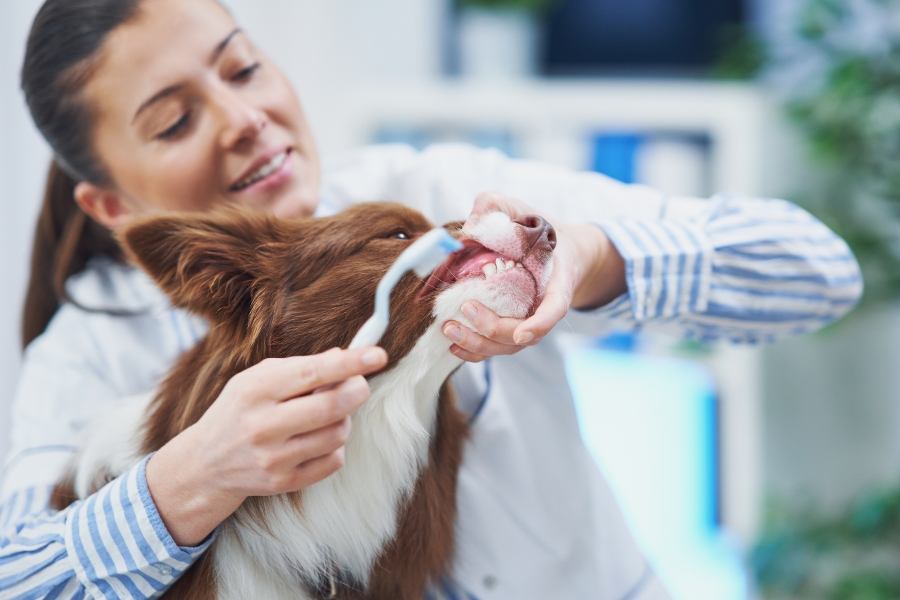
The most effective way to keep your dog’s teeth clean is by brushing them regularly. Just like humans, brushing helps remove plaque and prevent the buildup of tartar, which can lead to gum disease and tooth decay. You should aim to brush your dog’s teeth at least 2-3 times a week. Ideally, brushing should be done daily for optimal results.
When brushing your dog’s teeth, use a toothbrush and toothpaste that are specifically designed for pets. Human toothpaste contains fluoride, which can be toxic to dogs. Pet toothpaste is safe and comes in flavors that dogs love, like peanut butter or poultry.
To start, let your dog get used to the sensation of brushing. Begin by gently massaging their gums with your finger, then slowly introduce the toothbrush. Gradually increase the time you spend brushing, making sure to focus on the back teeth, where plaque tends to accumulate.
2. Dental Chews and Toys
Another great way to keep your dog’s teeth clean is by providing dental chews and toys. These products are designed to help reduce plaque and tartar buildup while satisfying your dog’s natural chewing instincts. Dental chews are made from materials that scrub your dog’s teeth as they chew, helping to keep their teeth cleaner.
When selecting dental chews, make sure to choose ones that are appropriate for your dog’s size and breed. Some chews are too hard for smaller dogs and can cause tooth damage. Look for chews that have the Veterinary Oral Health Council (VOHC) seal, as they are proven to be effective in maintaining oral health.
In addition to chews, dental toys can also help clean your dog’s teeth. These toys often have grooves and textures that help scrape away plaque, making them an excellent addition to your dog’s oral care routine.
3. Professional Dental Cleanings
While at-home dental care is essential, professional dental cleanings are just as important. A veterinarian or pet dental specialist can provide a thorough cleaning to remove tartar and plaque from areas that are difficult to reach with a toothbrush. This is especially important for dogs who have built up a significant amount of tartar or have existing dental disease.
During a professional cleaning, your dog will be anesthetized to ensure they are comfortable throughout the procedure. The vet will use specialized tools to clean your dog’s teeth, check for signs of gum disease, and make recommendations for further care. It’s recommended that your dog undergo a professional dental cleaning at least once a year, but more frequent cleanings may be necessary for dogs with a history of dental problems.
4. Water Additives for Fresh Breath
If your dog has bad breath, a water additive could be a simple solution. These additives are added to your dog’s water bowl and help reduce plaque buildup while freshening their breath. They work by killing the bacteria that contribute to bad breath and can be a helpful addition to your dog’s daily routine.
Water additives are easy to use and don’t require any brushing, making them an excellent choice for dogs that are resistant to brushing. While they should not replace regular brushing, they can be an effective supplementary treatment for keeping your dog’s teeth fresh and clean.
5. Dental Diets
Certain dog foods are specially formulated to promote dental health. These diets are designed to help reduce plaque buildup and tartar by encouraging your dog to chew more, which scrapes away debris. Some dog food brands offer dental-specific formulas that contain larger kibble pieces or special ingredients to help maintain clean teeth.
In addition to providing dental-specific food, you can also incorporate raw bones into your dog’s diet. Chewing on raw bones can help clean your dog’s teeth naturally. However, it’s important to avoid cooked bones, as they can splinter and pose a choking hazard.
6. Regular Check-ups
Regular veterinary check-ups are essential for maintaining your dog’s oral health. During these check-ups, the veterinarian will examine your dog’s teeth and gums for signs of dental disease. Early detection of dental issues allows for prompt treatment and can prevent more serious problems down the road.
If you notice your dog having difficulty eating, drooling excessively, or displaying signs of pain when chewing, these could be indicators of dental problems. Don’t hesitate to schedule a visit to your vet for an evaluation.
Maintaining good dental hygiene for your dog requires a combination of regular brushing, dental chews, professional cleanings, and a healthy diet. By incorporating these practices into your dog’s routine, you can help ensure they live a long, healthy life with a bright, clean smile.
If you’re in Tuckahoe, NY, and need professional dental care for your dog, reach out to a local veterinary clinic that specializes in pet dental health. Regular dental check-ups and treatments can keep your dog’s teeth in excellent condition and prevent potential health issues. Don’t forget—just like you, your dog deserves to smile with confidence!
FAQs
Q1. How often should I brush my dog’s teeth?
Ans. Brushing your dog’s teeth at least 2-3 times a week is recommended. Daily brushing is ideal for optimal dental health.
Q2. Can I use human toothpaste to brush my dog’s teeth?
Ans. No, human toothpaste contains fluoride, which is toxic to dogs. Use a toothpaste formulated specifically for pets.
Q3. Are dental chews effective for cleaning my dog’s teeth?
Ans. Yes, dental chews can help reduce plaque and tartar buildup. They are a great supplement, but should not replace regular brushing.
Q4. How do I know if my dog needs a professional dental cleaning?
Ans. Signs that your dog may need a professional cleaning include bad breath, swollen gums, and difficulty eating. A vet can evaluate their oral health.
Q5. Can water additives replace brushing my dog’s teeth?
Ans. Water additives can help freshen your dog’s breath and reduce bacteria, but they should be used in addition to regular brushing.
Q6. What foods help keep my dog’s teeth clean?
Ans. Dental-specific diets, raw bones, and crunchy vegetables like carrots can help maintain healthy teeth by promoting chewing and reducing plaque buildup.