
Pet Portal


Can Halloween Face Paint or Makeup Harm Dogs and Cats?
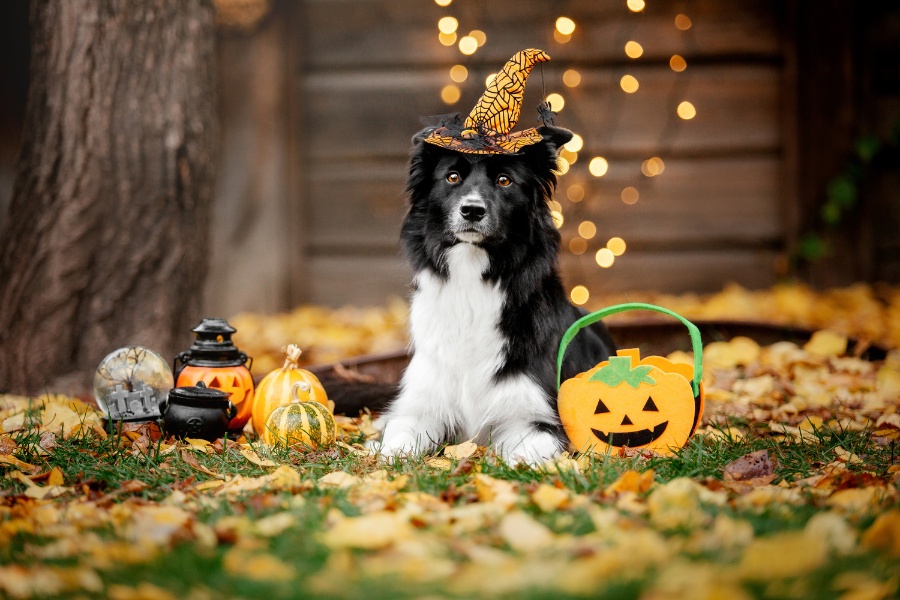
Halloween is a time for creative costumes, colorful decorations, and playful face paint. While people enjoy transforming their appearance for the holiday, pet owners should take extra care when cosmetics are used around dogs and cats. A little face paint on a person may seem harmless, but curious pets can lick makeup, rub against painted skin, or come into contact with products containing ingredients that irritate their skin and eyes.
Understanding the potential risks of Halloween face paint can help families protect their pets while enjoying seasonal celebrations. For pet owners in Tuckahoe, a few simple precautions can make Halloween safer and more comfortable for every member of the household.
Why Halloween Face Paint Can Be Risky for Pets
Human cosmetics are designed for use on people, not animals. Products such as face paint, theatrical makeup, glitter, lipstick, and decorative sprays may contain fragrances, pigments, preservatives, or other ingredients that are unsuitable for pets.
Dogs often investigate unfamiliar smells by licking, while cats may groom themselves after brushing against a person’s face, hands, or clothing. These behaviors can expose pets to cosmetic ingredients even when the product was never applied directly to their bodies.
The level of risk depends on the ingredients, the amount involved, and the way a pet is exposed. Some products may cause mild irritation, while others can lead to more concerning symptoms if swallowed.
Can Halloween Face Paint Cause Skin Irritation?
Yes, certain cosmetic products can irritate a pet’s skin. Dogs and cats may develop redness, itching, or discomfort after contact with makeup residue, especially if they have sensitive skin or existing skin problems.
Pets may come into contact with face paint when they nuzzle a person’s cheek, rub against a costume, or lie on a surface containing cosmetic residue. Cats can also transfer substances from their paws to their mouths during grooming.
Watch for signs such as frequent scratching, excessive licking, redness, swelling, or unusual discomfort. If a product gets onto your pet’s fur or skin, prevent licking and follow the product label’s safety guidance. Contact a veterinarian for advice on appropriate cleaning, particularly if the substance is irritating or difficult to remove.
Never use makeup remover, nail polish remover, alcohol-based products, or other harsh household chemicals on your pet without veterinary guidance. These substances can cause additional irritation or create further risks if licked.
What Happens If a Dog or Cat Licks Face Paint?
Accidental ingestion is another concern during Halloween. A dog may lick face paint from someone’s cheek, while a cat might groom makeup residue from its fur. The consequences depend on the product’s formulation and the quantity swallowed.
Possible signs of gastrointestinal irritation include drooling, vomiting, diarrhea, reduced appetite, or unusual behavior. Certain ingredients may cause more serious effects, so it is important not to assume that a small exposure is harmless.
If your pet licks or swallows Halloween makeup, check the product packaging and contact your veterinarian for guidance. Be ready to explain the product name, ingredients, estimated amount, time of exposure, and your pet’s approximate weight.
Do not induce vomiting or give home remedies unless a veterinary professional specifically instructs you to do so. Some substances can cause additional harm when brought back up, and home treatments may delay appropriate care.
Are Pet-Safe Face Paints Safe for Dogs and Cats?
Labels such as natural, non-toxic, or washable do not automatically mean a product is suitable for animals. A cosmetic designed for children or approved for use on human skin may still be inappropriate for a pet that could lick it or absorb residue while grooming.
Avoid applying Halloween face paint, glitter, temporary tattoos, or human makeup directly to your dog’s or cat’s skin or fur unless a veterinarian has confirmed that the specific product is appropriate for that animal and intended use.
Even products marketed for pets should be checked carefully. Follow the manufacturer’s instructions and consider whether your pet may lick the product, rub it into their eyes, or inhale loose particles.
The safest approach is to let people enjoy their own Halloween makeup while keeping cosmetics away from pets. If you want to include your companion in the celebration, choose a comfortable costume designed for animals or use a simple, makeup-free accessory that does not restrict movement.
How to Keep Makeup Away From Curious Pets
A few household precautions can significantly reduce the chance of accidental exposure.
Store cosmetics securely. Keep face paint, makeup palettes, brushes, sponges, glitter, and removers in closed containers or cabinets. Do not leave products on bathroom counters, dressing tables, or other surfaces that pets can reach.
Clean up after getting ready. Wash your hands after applying makeup, close product containers, and dispose of used wipes and cotton pads in a covered bin. Makeup residue on hands can transfer to a pet’s face or coat during affectionate interactions.
Keep costumes separate. Store painted masks, decorative accessories, and makeup-covered clothing away from pet bedding, toys, and food bowls. Allow cosmetics to dry fully before handling pets nearby, while remembering that dried products may still leave residue.
Supervise children and guests. Children may not realize that sharing face paint with a pet is unsafe. Explain that dogs and cats should never be used as canvases for Halloween designs. Ask visitors to avoid letting pets lick their faces, especially when makeup is present.
Create a quiet, comfortable space. Halloween visitors, doorbells, costumes, and unusual smells can overwhelm some animals. Provide a familiar room with fresh water, bedding, and favorite toys so your pet can retreat when needed.
Recognizing Signs of Cosmetic Exposure
Pets may show different signs depending on the product and route of exposure. Skin contact can cause redness, itching, or swelling. Eye exposure may lead to squinting, tearing, or repeated pawing at the face. Swallowing a cosmetic may cause drooling, vomiting, diarrhea, or changes in appetite and energy.
Difficulty breathing, collapse, seizures, severe swelling, or rapidly worsening symptoms require immediate veterinary attention. Do not wait for every symptom to appear before seeking advice if you suspect exposure to a harmful ingredient.
If makeup enters your pet’s eyes, prevent rubbing and contact your veterinarian for instructions on safe rinsing and further care. Avoid using medicated eye drops or human skin treatments without professional guidance.
Keep the product container or take a clear photograph of its ingredient list. This information can help a veterinary professional assess the potential risk and recommend the next steps.
Make Halloween a Stress-Free Halloween for Your Pets
A Stress-Free Halloween begins with a routine that helps pets feel secure. Keep feeding times, walks, and rest periods as consistent as possible. Avoid forcing animals to wear costumes or participate in activities that make them uncomfortable.
Some pets enjoy gentle attention, while others prefer to observe the festivities from a quiet distance. Watch your pet’s body language. Hiding, flattened ears, tucked tails, panting, pacing, and repeated attempts to escape may indicate stress.
If your pet wears a costume, check that it fits comfortably and does not restrict breathing, walking, vision, or normal bathroom habits. Remove loose decorations that could be chewed or swallowed, and supervise your pet while the costume is on.
Keep candy, makeup, glow sticks, candles, and small decorative objects out of reach. Cats may be attracted to dangling ribbons, while dogs may chew costume pieces or investigate discarded wrappers. A pet-friendly environment should account for these hazards as well as cosmetics.
When Should You Contact a Veterinarian?
Contact a veterinary professional if your pet has swallowed face paint, developed skin or eye irritation, or shows unusual symptoms after contact with makeup. Seek prompt guidance even if your pet appears normal, because the risk depends on the ingredients and the amount involved.
Pet owners searching for a Veterinarian near me can benefit from identifying a trusted local clinic before Halloween celebrations begin. Keep the clinic’s contact information accessible and know where to seek veterinary assistance outside regular business hours.
For families in Tuckahoe, Tuckahoe Animal Hospital & Pet Center can be a local point of contact for questions about pet safety and possible cosmetic exposure. Share the product label and details about your pet’s behavior to help the veterinary team provide informed guidance.
With a little preparation, you can enjoy festive makeup, family traditions, and seasonal fun without putting your furry companions at unnecessary risk.
Schedule a Visit With Tuckahoe Animal Hospital & Pet Center
Your pet’s comfort and safety deserve attention throughout the Halloween season. If you have questions about cosmetic exposure, skin irritation, or keeping your dog or cat comfortable around holiday activities, contact Tuckahoe Animal Hospital & Pet Center for guidance.
Reach out to the team to discuss your pet’s needs and ask about available appointment scheduling or online booking options. A little planning now can help your family enjoy a safer, more relaxed Halloween together.
Frequently Asked Questions
Q1. Can I use Halloween face paint on my dog’s nose or face?
Ans: Avoid applying human face paint to your dog’s nose, face, or fur. Dogs may lick the product or get it into their eyes, and ingredients that are suitable for people may not be safe for animals.
Q2. What should I do if my cat licks makeup from my face?
Ans: Prevent further licking and check the product’s ingredient list. Contact your veterinarian for advice, especially if the product contains unfamiliar ingredients or your cat develops drooling, vomiting, irritation, or unusual behavior.
Q3. Is children’s Halloween makeup safe around pets?
Ans: Not necessarily. Products intended for children are formulated for human use and may still cause irritation or problems if swallowed by a pet. Store them securely and keep them away from animal fur, paws, and mouths.
Q4. How can I tell if face paint is irritating my pet’s skin?
Ans: Look for redness, itching, swelling, excessive licking, scratching, or discomfort. Prevent your pet from grooming the affected area and consult a veterinarian about safe cleaning and treatment.
Q5. How can I make Halloween safer for a pet that becomes stressed?
Ans: Maintain familiar routines, provide a quiet retreat, keep cosmetics and decorations out of reach, and avoid forcing your pet to wear a costume. Watch for signs of stress and allow your companion to stay away from noisy celebrations.
